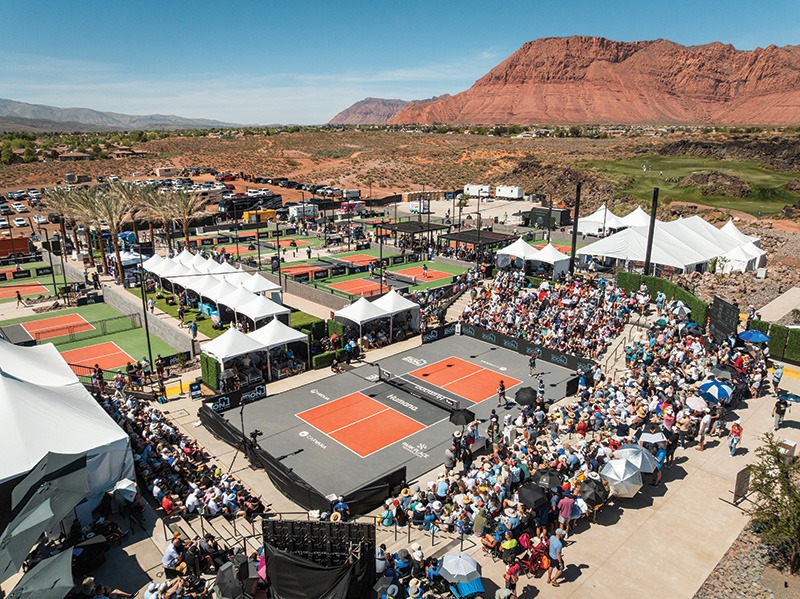
Pickleball’s rise has been nothing short of meteoric. From neighborhood parks and repurposed tennis courts to packed convention centers hosting national championships, the sport has exploded into one of the fastest-growing recreational activities in the country. Participation numbers continue climbing, professional tours are expanding, and destinations are increasingly embracing pickleball as both a tourism draw and event opportunity. But beneath the sport’s rapid ascent lies a growing concern: for all its momentum at the adult and amateur levels, pickleball is still missing many of the building blocks that traditionally sustain a sport long term.
Unlike basketball, soccer, or baseball—sports built on decades of youth leagues, school programs, and developmental systems—pickleball’s rise happened in reverse. Professional tours and major events exploded before the sport established widespread junior pathways, scholastic programs, or academy systems designed to cultivate young talent. Now, organizations across the country are working to change that.
Building a future
As those within the sport search for ways to build a sustainable youth development system, organizations like the Southern Pickleball Association are beginning to create the structure pickleball has long lacked.
Founded in 2021 with a focus entirely on the amateur game, the Southern Pickleball Association (SPA) has watched the sport’s demographics rapidly evolve in just a few short years. What was once widely perceived as a sport dominated by retirees is increasingly becoming a younger player’s game—a shift SPA co-founder Mark Spackman says is impossible to ignore.
“The junior market is what is going to be growing the most right now,” Spackman says. “The average age of playing is down to 35 now. The 18- to 34-year-old age group is probably the biggest group now playing, which is a dramatic change over the last few years.”
The trend extends even further down the age ladder. Participation among players ages 13 to 17 has surged to nearly two million nationwide, according to Spackman, while collegiate club teams continue to pop up on campuses across the country. At the same time, state athletic associations are beginning to formally recognize the sport at the scholastic level. Kentucky recently approved pickleball as an official high school sport beginning in 2027, with several other states expected to vote on similar measures in the
near future.
“Once there’s a high school team, there will be a middle school team,” he says. “That will continue to make that growth go younger.”
For Spackman, the challenge is less about interest and more about infrastructure. Unlike traditional sports that have spent decades building feeder systems through youth leagues, school programs, and academies, pickleball is still laying that foundation in real time. But momentum is building quickly. Indoor pickleball facilities are opening nationwide, many with dedicated junior programming, while organizations like SPA are working to create clearer developmental pathways for young players. “We’re starting Southern Juniors as a separate offshoot because we see the growth and need of players,” Spackman says. “We want to bring quality amateur pickleball events for kids six to 17 to be able to go and get started with pickleball, whether beginner, intermediate, or advanced. There’s a place to start and show there is a pathway.”
That pathway will eventually include SPA Junior State Championships, slated to launch in 2027 or 2028, and a pathway for juniors into the Southern Championships. The organization plans a soft launch of junior events later this year before fully rolling out the championship structure.
Creating a development system
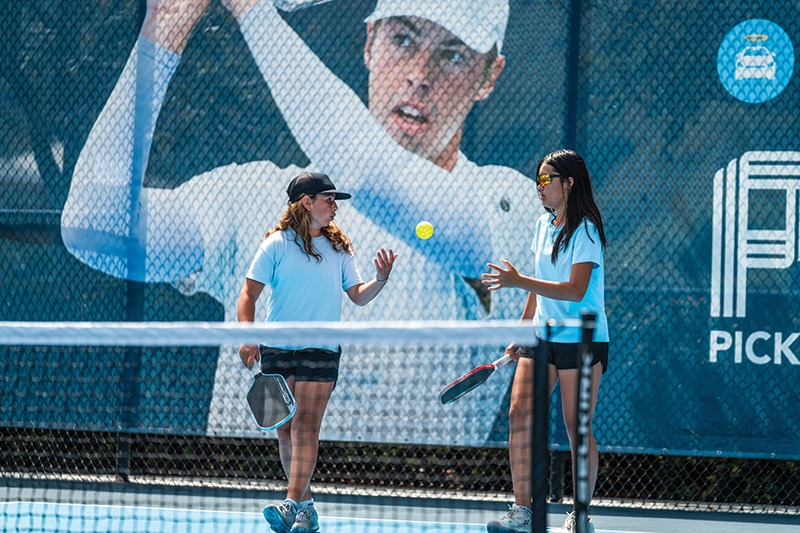
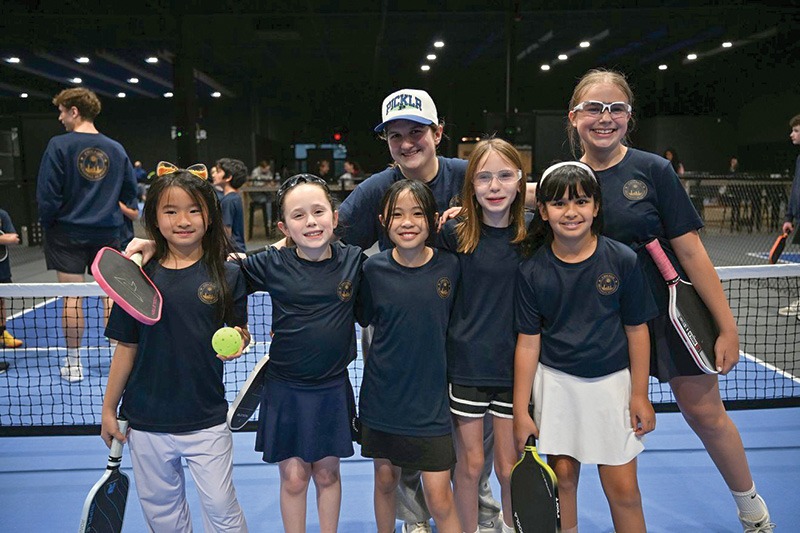
The effort to build that pathway is also taking shape inside dedicated training academies focused specifically on junior athletes. In the Midwest, the Chicago Pickleball Academy is attempting to create the kind of structured developmental model that is long established in sports like tennis and soccer but is still relatively new in pickleball. When the academy launched in October 2025—the first junior pickleball academy of its kind in Illinois—founder and academy director David Selvaggi says the goal was to address a glaring market gap.
“The gap was structured, high-performance development for junior players—a real curriculum, not just supervised play,” Selvaggi says. “When we looked at the Chicago market, there was no environment treating junior pickleball with the rigor that junior tennis or club soccer has had for decades.”
The demand surfaced quickly. The Chicago Pickleball Academy opened with 18 juniors and four coaches. Less than a year later, the academy has expanded to more than 50 players supported by an 11-person coaching staff.
“That growth—both the players and the coaching bench it took to serve them—in a single suburban market in under a year tells you everything about where the demand curve is,” Selvaggi says.
According to Selvaggi, the most notable change is not simply the number of people playing pickleball, but the changing profile of who is entering the sport. Families are increasingly approaching pickleball with the same long-term mindset typically associated with more established youth sports.
“Three years ago, ‘pickleball player’ almost always meant a recreational adult,” Selvaggi says. “Now you have families enrolling kids the way they’d enroll them in junior tennis or club soccer, with a multi-year development arc in mind.”
The academy is also seeing crossover athletes from sports such as soccer, tennis, and basketball transition into pickleball, while a growing number of younger players are discovering the sport on their own through social media and exposure to competitive events.
“The third bucket is newer and growing—kids finding pickleball on their own, pulled in by social media, local exposure, or watching older juniors compete, without a parent driving it,” Selvaggi says.
He also believes pickleball’s accessibility is helping fuel that growth among younger demographics. “Because pickleball is easy to pick up and rewarding early, families are viewing it as an effective way to get kids off devices and into something active and social,” Selvaggi says.
At Chicago Pickleball Academy, the emphasis is on creating a clear developmental progression rather than simply offering court access or recreational clinics.
“A community program gives you access—courts, open play, maybe a clinic,” Selvaggi says. “An academy gives you a development system.” Players move through structured training tracks designed to build skills methodically, from fundamentals through advanced competitive play. “We built a multi-phase progression that moves a player deliberately from the fundamentals to advanced competitive play,” Selvaggi says. “That’s the difference between somewhere to play and somewhere to get better on purpose.”
For Selvaggi, organized events and tournaments remain essential because they help establish the competitive ladder that pickleball still lacks compared to traditional sports. “Tournaments and organized events are the connective tissue that builds a pathway,” Selvaggi says. “They give developing players something concrete to train toward, they create visible role models for juniors, and they signal to serious athletes that there’s a future worth committing to.”
That philosophy is part of the academy’s partnership efforts with the Chicago Slice, the city’s Major League Pickleball franchise. “Connecting our juniors to a professional team in their own market—putting them around that level of play, that environment, that visibility—is the kind of bridge the sport needs more of,” Selvaggi says.
Growing the collegiate pipeline
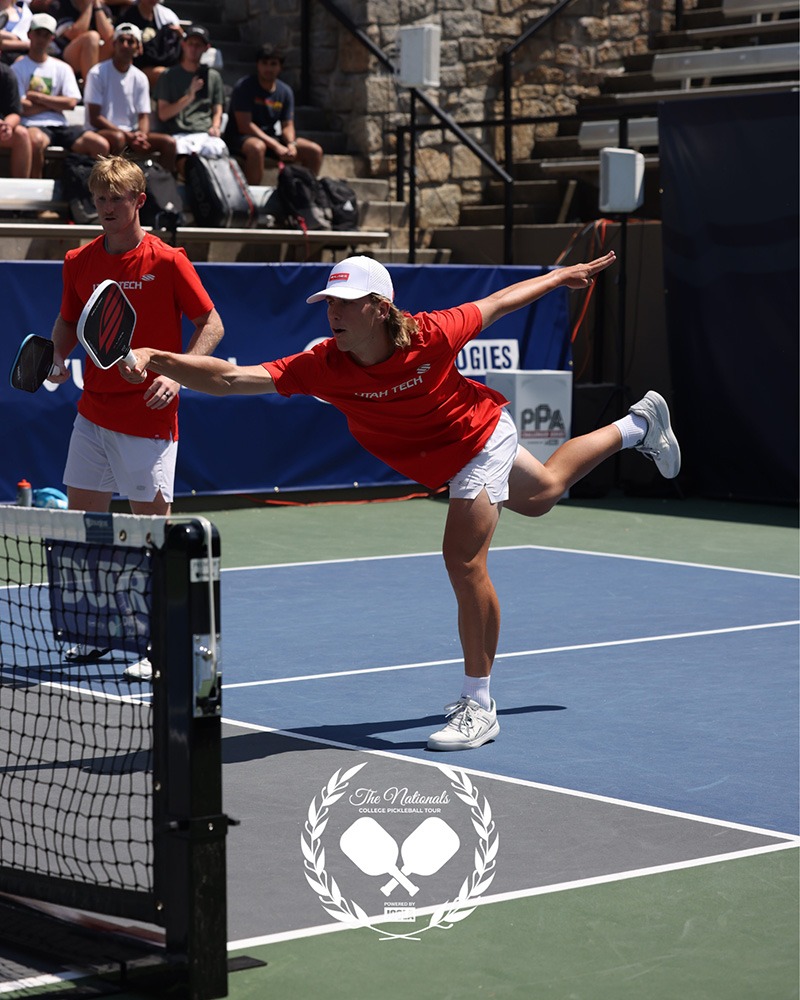
While organizations like SPA and academies such as Chicago Pickleball Academy are focused on introducing younger athletes to the sport, the next stage of pickleball’s developmental ladder is rapidly taking shape on college campuses.
At the center of that growth is DUPR Collegiate, which has helped transform collegiate pickleball from a handful of club teams into a rapidly expanding national competition structure complete with qualification pathways, national championships, and prize money.
“The first college pickleball national championship was November 2022,” says DUPR Collegiate director Jacob Smith. “We had 16 schools there, and 150 players came to compete. That was the kickoff event.” Just four years later, the scale looks dramatically different.
“Our most recent one, a month ago, we had 64 different schools and 720 different players come out and compete,” Smith says. “It has absolutely taken off.” The organization recently completed its fifth collegiate national championship in April 2026, won by Florida Atlantic University, and is already preparing for its sixth competitive season. Along the way, DUPR Collegiate has steadily expanded the infrastructure surrounding the sport. “We started with one national championship,” Smith says. “We kept that every year but built out more pathway events that feed into it.”
That structure now includes eight Super Regionals annually—four in the fall and four in the spring—each awarding bids into the national championship. In addition, community organizers, facilities, and universities themselves are now hosting regional qualifying events that funnel teams into the broader collegiate system.
Today, Smith estimates there are roughly 150 competitive collegiate pickleball clubs nationwide, and the pathway is already producing tangible results. According to Smith, several collegiate players have gone on to be drafted into Major League Pickleball, further reinforcing the idea that a legitimate pipeline between college and the professional ranks is beginning to form.
Formalizing the path forward
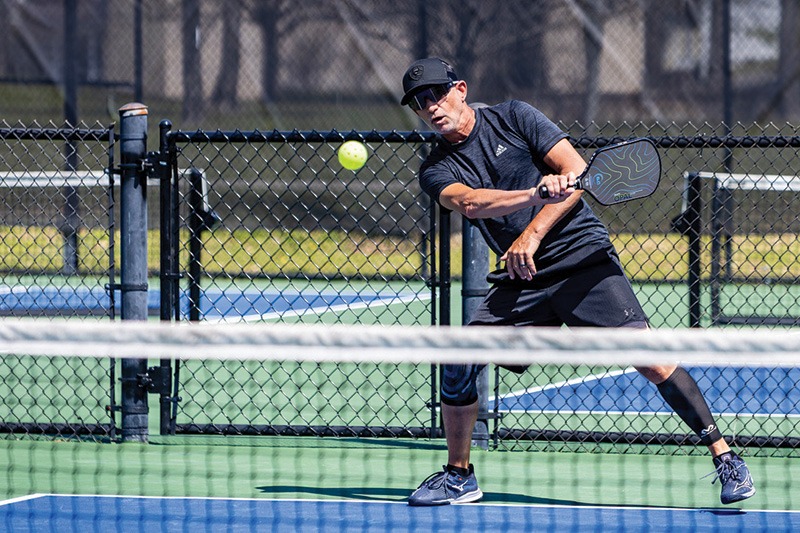
Even at the professional level, organizations are increasingly focused on building clearer developmental pathways for younger players entering the sport. The Professional Pickleball Association continues to focus its efforts beyond professional competition through junior tours, amateur divisions, and developmental events designed to keep players engaged as they progress through the sport.
“Junior PPA goes alongside every one of our events,” says Chris Patrick, deputy commissioner of the Carvana PPA Tour. “All of our PPA events have an amateur component. That’s how we started and how we continue to support the pickleball community as a whole.”
According to Patrick, the organization’s fastest growth is now coming from younger players, particularly those under 35, reinforcing the importance of building long-term infrastructure around youth and amateur participation.
“Our largest growth area in terms of registered users on PickleballTournaments.com is people under 35—by far—and has been for the last two years,” Patrick says. “It’s definitely trending a lot younger.”
As pickleball continues maturing, Patrick says the focus has shifted toward creating more intentional pathways connecting junior, amateur, and professional play.
“The other half of how it’s developing is an intentional look at what else we can do to formalize and communicate what these pathways are,” he says. “There are now clear intentions, and we’re communicating them more. We’re trying to meet players where they are and provide opportunities for everyone to participate.”