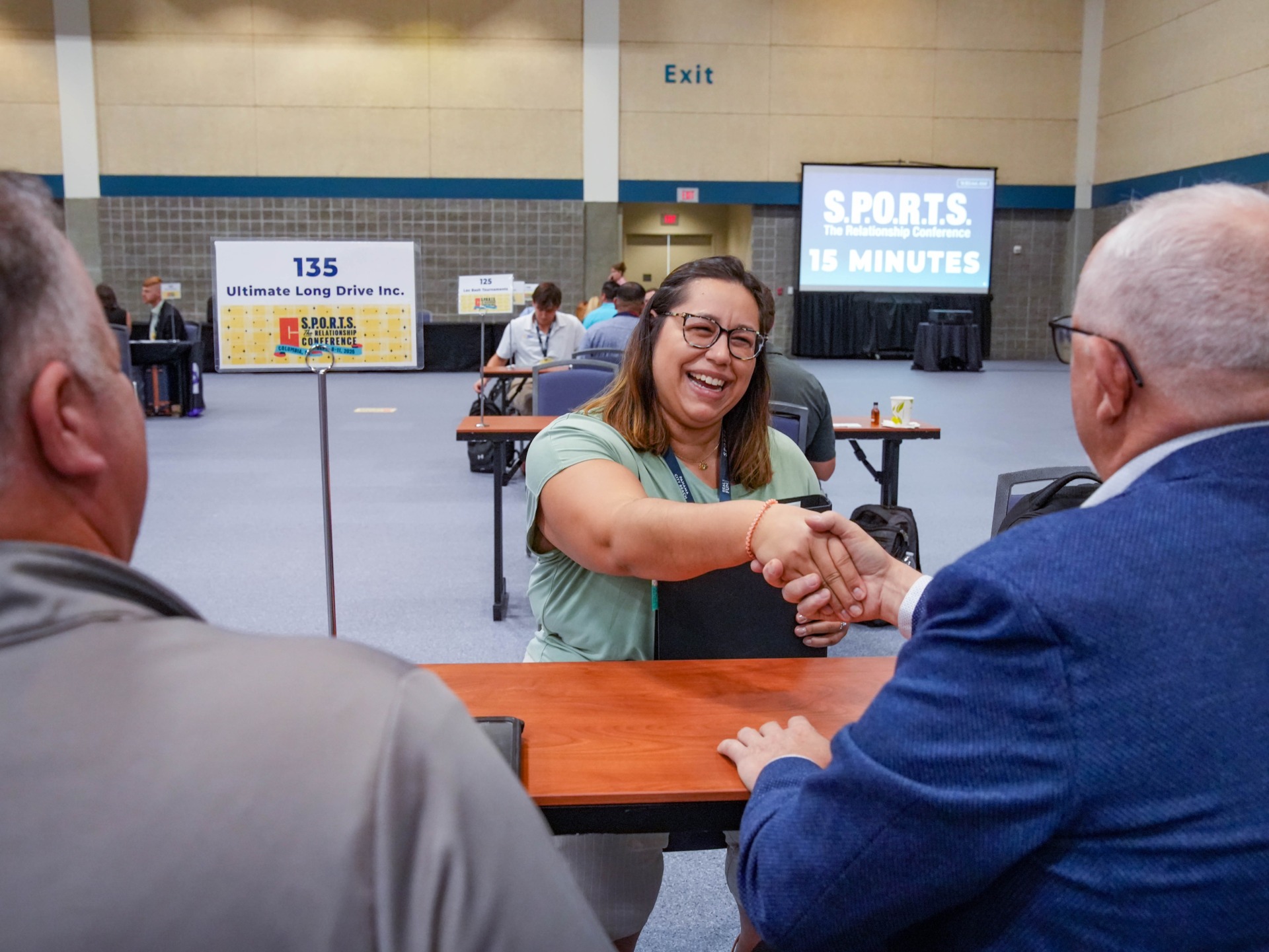
With the 19th annual S.P.O.R.T.S. – The Relationship Conference (SRC) kicking off on Monday, September 20, the planners and rights holders who are attending naturally want to get the most they can out of the experience. At S.P.O.R.T.S., rights holders and planners have a series of one-on-one conversations with host destinations and industry suppliers, so it’s smart to come prepared. With a strict 3:1 supplier-to-planner ratio and 15-minute appointments, the format is intended to give both sides a chance to move beyond quick introductions and determine whether there is a genuine fit.
For rights holders, those meetings are an opportunity to learn what a destination—whether it’s a CVB, sport commission or tourism office—can realistically offer, from venues and lodging to local support, partnerships and logistics. Because the time is limited, arriving with the right questions can make each conversation far more productive. Whether you’ve been to a dozen SRCs or you’re going for the first time, these five questions will help you get the answers you need to plan top-notch events.
- Can your facilities meet our event and competition requirements?
This should be one of the first questions you should ask a destination because it quickly establishes whether the destination is a realistic fit. The goal is not simply to get a yes-or-no answer, but to open a more detailed conversation about what the event actually requires.
Be prepared to clearly explain the event itself: What type of competition are you hosting? How many athletes and attendees do you expect? What kind of court, field, rink or other competition space is required? Are there seating, warm-up, practice or accessibility needs?
The more clearly you communicate those requirements, the easier it is for the destination to determine whether its facilities can support the event.
- What hotel/housing capacity and support can you provide?
Look beyond the total number of hotel rooms and advertised rates to determine whether a destination can support the full event experience. Ask how many rooms are available on peak nights, whether other events could affect inventory, and what the true cost of a stay will be once taxes, parking, resort fees, breakfast and other mandatory charges are included.
You also need to consider asking the destination about proximity to competition venues, travel times, shuttle options and whether teams can stay near their assigned facilities. Team-friendly amenities such as complimentary breakfast, Wi-Fi, parking, laundry and gathering space can make a meaningful difference.
Finally, clarify how many room blocks will be managed, who will handle customer service and pickup reporting, and what flexibility exists if registration numbers, weather or schedules change.
- Which local partnerships or sports-club relationships can support the event?
A destination’s value extends beyond its venues and hotel inventory. You should ask what local clubs, schools, community organizations, municipal partners and businesses could help support the event. Those relationships may provide volunteers, officials, facility access, local promotion, sponsorship introductions or operational assistance. Strong local partnerships can also reduce the amount of coordination you have to manage alone. A destination that already has established relationships with venues, municipalities and community organizations may be better positioned to solve problems quickly and provide support before, during and after the event.
- What financial or non-financial incentives are available?
Destination support can sometimes extend beyond facilities, lodging, and local connections. Depending on the destination, CVB, sports commission, or other tourism organization, qualifying sporting events may be eligible for hotel-room-night-based incentives, grants, marketing assistance, transportation support, facility-related discounts, or other services, subject to program-specific requirements. For example, Atlantic City Sports Commission offers incentives for qualifying events that meet its hotel-room-night requirements, while Maryland Sports Commission and Discover Philadelphia describe planning, promotional, and destination-support services for event organizers. Meanwhile, Pennsylvania’s Allegheny County lists potential grant opportunities on the website sportseventgrants.com. Available support, eligibility criteria, and application processes vary by destination and program.
You should ask what programs are available, and—just as importantly—what is required to qualify. Eligibility may be influenced by various factors, including projected room nights, attendance, economic impact, and post-event reporting, depending on the destination and the specific program. Requirements can differ and may not apply in every case. Understanding those requirements during your conversation with the destination can help you evaluate the true value of an offer rather than comparing venue costs alone.
- What will communication and follow-up look like if we move forward?
A strong partnership with a destination depends on more than a productive first meeting. You should ask who the primary point of contact will be, what the next steps are, and how communication will be handled as planning moves forward. That may include timelines for proposals, site visits, venue holds, hotel coordination and regular progress updates. It’s also important to understand how the destination handles changes or problems. Knowing who to contact, how quickly issues are escalated and how responsibilities are divided can help prevent confusion later. Clear expectations from the beginning can make the relationship easier to manage throughout the process.
Clear communication is one of the core themes in Chapter 1, titled Planning Fundamentals of the SportsEvents Planner’s Playbook. Planning Fundamentals emphasizes being prepared, clearly communicating event requirements, and understanding what each partner can realistically provide. Bringing that mindset into your appointment with the destination at the Conference can help you make the most out of the limited appointment time and set the foundation for a stronger working relationship.
For more practical guidance on working with destinations, developing detailed event requests and building stronger relationships, explore the free SportsEvents Planner’s Playbook.