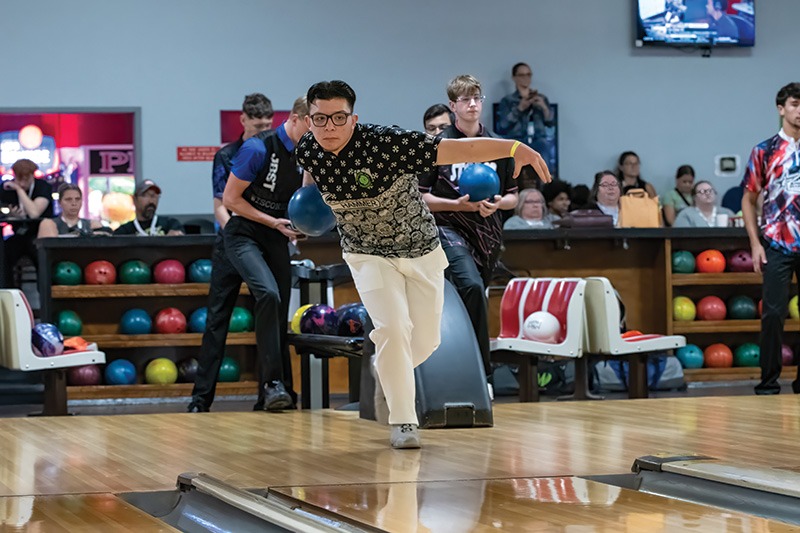
At a modern youth bowling tournament, the action extends well beyond the approach. Relatives follow matches through livestreams, athletes see their accomplishments celebrated on social media, and families build a weekend around meeting professional bowlers, exploring a new city, or attending an opening ceremony.
The competition, however, remains the reason everyone gathers in the first place. That balance is shaping the evolution of youth bowling events as organizers work to attract Gen Z and Gen Alpha participants. Technology and entertainment can make an event more accessible and memorable, but the strongest tournaments use these elements to support fair competition, athlete development, and a sense of community.
“Live streaming and social media activations have generated the strongest response,” says Chad Murphy, executive director of the United States Bowling Congress (USBC). “We also incorporate a level of athlete experience and entertainment at our largest youth event, Junior Gold, via our trade show and opening ceremony.”
The 2026 Junior Gold Championships, held in July, brought nearly 3,500 young athletes to 10 bowling centers across the Greater Minneapolis area. The event’s scale illustrates the challenge for organizers: Deliver a serious national championship while creating an experience families will remember after the scores are final.
Competition comes first
For youth tournaments, the event experience can enhance the competition, but it cannot replace a fair and credible playing field. USBC’s 2026 Junior Gold Championships moved from three age divisions to four—U12, U14, U16, and U18—to group athletes more closely by age. USBC also continually evaluates tournament rules and equipment guidelines. The changes reflect the organization’s priority as youth events continue to evolve.
“While items such as event presentation and fan engagement will always be important and are items we keep fresh every year, maintaining competitive balance and fairness in our youth events is paramount,” Murphy says.
That focus gives organizers a foundation on which to build the rest of the tournament experience. Athletes and families may be drawn by a destination, a professional-bowler appearance, or an opening ceremony, but the tournament must remain understandable to families and credible to competitors.
At Junior Gold, USBC uses its largest gathering to offer experiences that reinforce athletes’ ambitions. The event’s trade show allows competitors and parents to interact with professional bowlers and representatives from colleges with bowling programs. The 2026 opening ceremony added a performance by viral dance duo Funkanometry, giving the championship a celebratory start without taking focus away from the week’s objective. For other organizers, the same balance can take a more intimate form.
Build a weekend, not just a bracket
Storm Products took that approach when it launched the Storm Youth Championships (SYC) in 2017. Leanne Hulsenberg, who handles tournaments, events, and charitable giving for Storm, notes the company’s involvement with Junior Gold helped inspire the series.
Junior Gold gave Storm access to a large national field, but its size made it difficult for the company to interact with families as closely as it wanted. Hulsenberg’s husband, Gary, suggested creating a smaller event at the National Bowling Stadium in Reno, Nev. The first tournament drew more than 200 bowlers and sold out immediately.
A host in Myrtle Beach, S.C., then invited Storm to bring the concept there. The second event was held later that year, and the series continued expanding. Storm scheduled 10 events around the country in 2026 and has held more than 60 since the program began.
Hulsenberg says the philosophy can be summarized through the “three C’s.”
“You come for the competition, you enjoy the camaraderie, and we also have a charity aspect,” she says. “It’s about having the right people and knowing what our goal is for the weekend.”
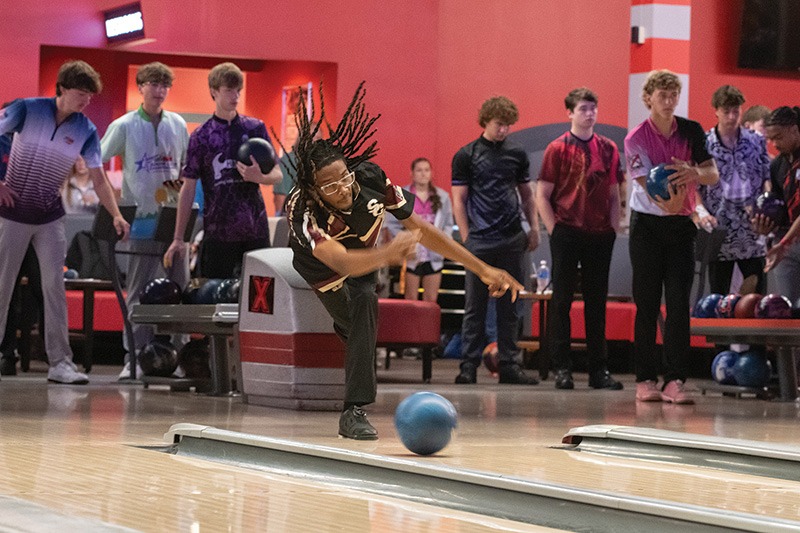
The format is designed to give young bowlers and their families more ways to connect around the competition. Storm professionals volunteer their time to attend, allowing young bowlers to learn from athletes who compete on the men’s and women’s professional tours. A Friday social gives families time together before competition begins, with activities varying by destination. Past groups have attended baseball games, visited parks, and gone to Topgolf.
Those activities may help turn an initial tournament visit into a repeat experience. First-time bowlers account for approximately 30 percent of the field at an average event.
“We give full attention to everyone who comes,” Hulsenberg says. “Although we have a lot of regulars, we also have a lot of first-timers, which I think is word of mouth. Kids tell their friends, and then they come bowl.”
That personal connection is particularly valuable in youth sports, where a participant’s first experience can influence whether they return, bring friends or remain involved as they get older.
Extend the experience digitally
Digital coverage gives organizers another way to connect competition, recognition, and family involvement. For a national event, it can extend the audience well beyond the bowling center. For a local or state tournament, it can provide a practical way to recognize athletes and share information without the expense of a full production.
USBC reaches young bowlers through dedicated youth accounts on Facebook, Instagram and TikTok, coordinating tournament reminders and event coverage with the youth section of BOWL.com. BowlTV, the organization’s streaming service, carries youth competition, while Bowling TV, a free, ad-supported 24-hour channel, gives the sport another way to reach viewers.
Those platforms expand the audience without changing what happens on the lanes. They also give families and athletes a way to follow competition and share accomplishments during and after an event.
Similarly, Storm streams every SYC event, maintains dedicated youth-bowling social accounts, and spotlights its champions online. The coverage allows grandparents, teammates, and other supporters who cannot travel to watch from home, widening an event’s reach beyond the bowling center.
Not every organizer has the staff or resources to produce a full broadcast. The value of digital engagement, however, does not depend on matching the scale of a national event.
Brett Rearick, Pennsylvania State USBC Youth Open Championships tournament director, notes that parents frequently stream portions of state and local tournaments for relatives through their own social accounts. His organization concentrates on sharing photos and recognizing notable performances through its Facebook pages.
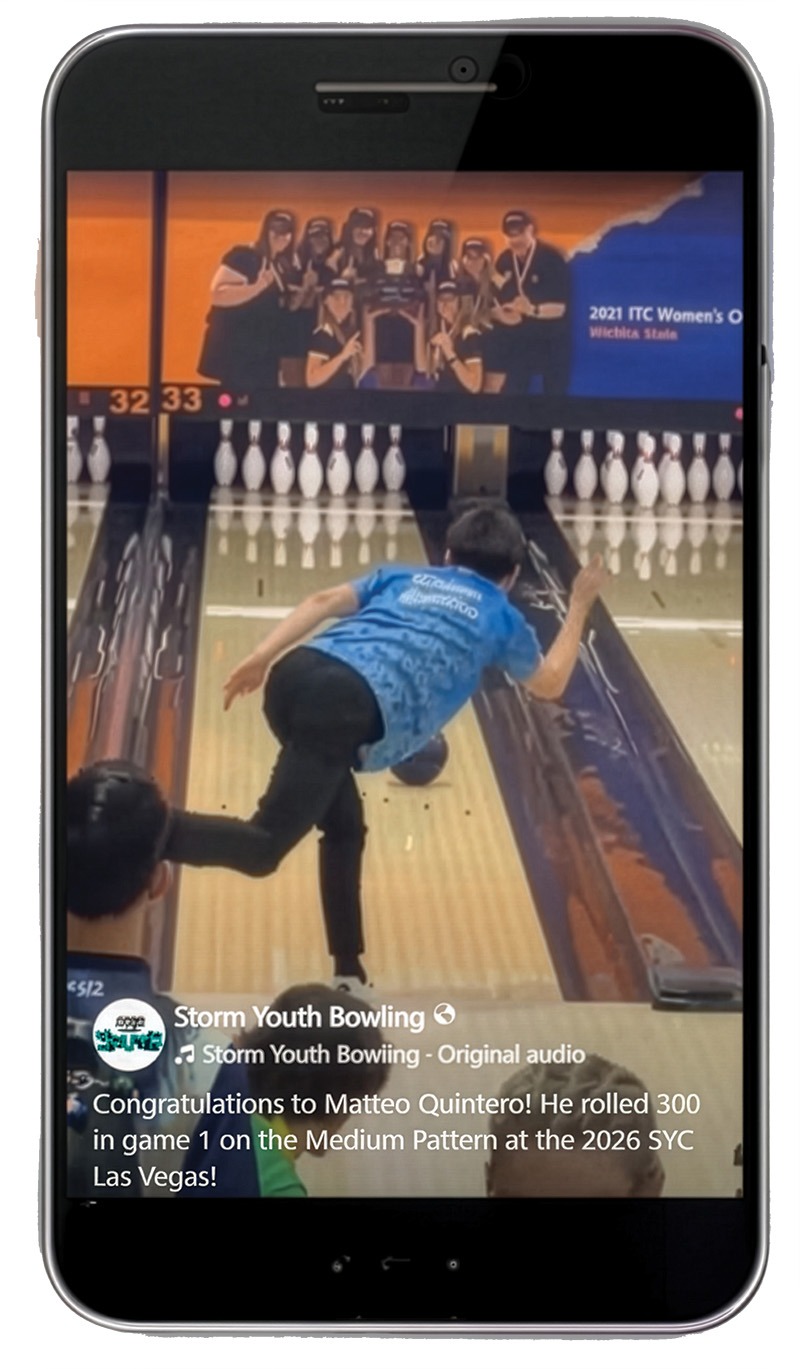
“If a bowler has a 300 game or bowls way over their average, we’ll get their picture, recognize them, and put them on Facebook,” Rearick says.
For smaller organizers, a digital strategy can be built around timely photos, athlete recognition, clear event information, and shareable results. Those tools can make participants feel seen while giving families material they naturally circulate through their own networks.
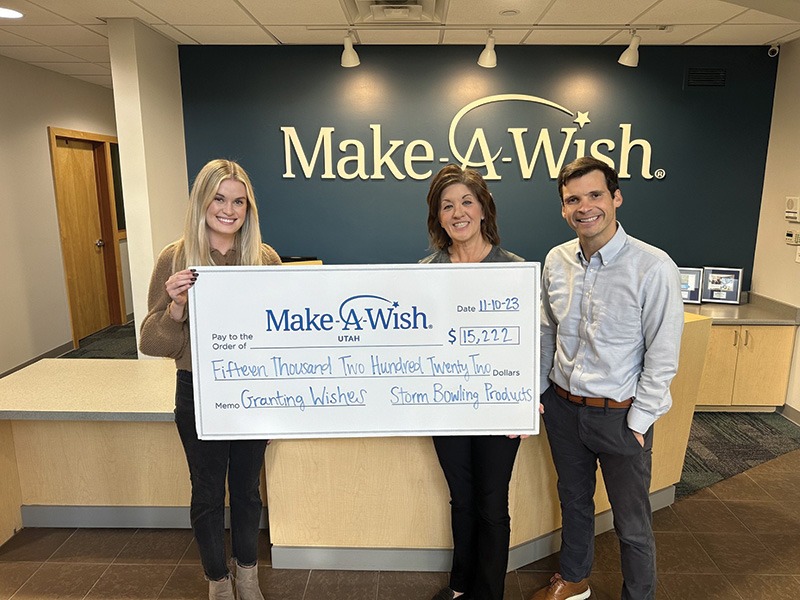
causes, such as the Make a Wish Foundation Utah. Courtesy Storm Youth Bowling
Give families reasons to travel
Parents frequently determine which tournaments their children enter, making the family experience inseparable from the athlete experience. The decision is not simply about a bracket or a bowling center; it also involves the destination, the schedule and whether the trip feels worthwhile for the whole family.
Murphy says bowlers and their families increasingly seek “things to do” in a host destination along with the camaraderie that develops among participants.
USBC rotates Junior Gold to a different city each year, occasionally returning to popular destinations but not in consecutive years. The organization works with host cities to identify entertainment options and carefully schedules squads to avoid overcrowding, allowing parents and spectators to watch without unnecessary obstacles.
The host bowling center is just as important. Storm seeks partners that understand the purpose of SYC, can provide a high-quality competition environment and have enough lanes to handle demand. Hulsenberg says the average bowling center may have approximately 32 lanes, while some SYC events require closer to 60.
Some centers provide discounted lineage because they recognize the long-term value of investing in youth bowling. Strong partners frequently become repeat hosts. For example, SYC’s Coastal Classic in Myrtle Beach will mark its 10th annual edition in October 2026.
For destinations, the opportunity reaches beyond filling hotel rooms. A well-planned social outing can introduce visiting families to local attractions, while destination-themed awards can create an additional connection to the host. Storm has designed trophies that reflect event locations, including a Wisconsin-shaped award featuring a cow, cheesehead, and football.
The goal is to make the destination part of the tournament experience without losing sight of why families traveled in the first place: the competition.
Make the investment tangible
Scholarships give youth bowling tournaments a benefit that can continue long after an event. They can also help families view tournament participation, including travel, as an investment in an athlete’s future.
USBC offers scholarship opportunities through Junior Gold, USA Bowling,
and the newly renamed USBC Youth Scratch Championships presented by SMART, formerly the Pepsi USBC
Youth Championships.
Pennsylvania’s Youth Open annually distributes approximately $40,000 in scholarships across team, doubles, singles, and all-events competition, according to Rearick. Champions also receive trophies and are invited to a recognition luncheon at the Pennsylvania State USBC annual meeting, while the top three finishers in each division receive medallions.
That combination of future-focused awards and immediate recognition can help young bowlers see that their accomplishments matter.
“We try to recognize the youth quite a bit because they’re the future,” Rearick says. “We want to keep them involved and have them become adult bowlers for the rest of their lives.”
Storm has awarded more than $1 million in scholarships through SYC. Hulsenberg has seen young bowlers accumulate scholarship funds over years of tournament participation, providing families with another reason to view travel as an investment in an athlete’s future.
SYC also connects each entry with a larger purpose. Five dollars from each entry goes to Ballard vs. the Big “C,” a bowling-based organization that assists people affected by cancer, and another $5 supports Make-A-Wish Utah. Hulsenberg describes the latter partnership as “kids helping other kids.”
Start with a welcome
At the local level, recruiting the next generation often begins with simple incentives. Rearick has seen bowling centers offer free games or concession vouchers to young participants who bring a friend. On-site awards, social posts, and personal recognition then give those newcomers reasons to return.
The tactics vary with an organizer’s resources, but the principles are consistent. Events need to be easy to enter, understandable to families, and credible to competitors. They also need people who recognize that a first-time participant may become a lifelong bowler.
“Creating a competition that is accessible and welcoming, along with the emphasis on competitive fairness and balance, are among the most valuable lessons that can be passed along from the national to the local level,” Murphy says.
Technology, entertainment, and destination experiences will continue changing how youth tournaments are presented. Their greatest value, however, comes from strengthening the fundamentals: fair play, meaningful recognition, and relationships that bring athletes and families back to the lanes.