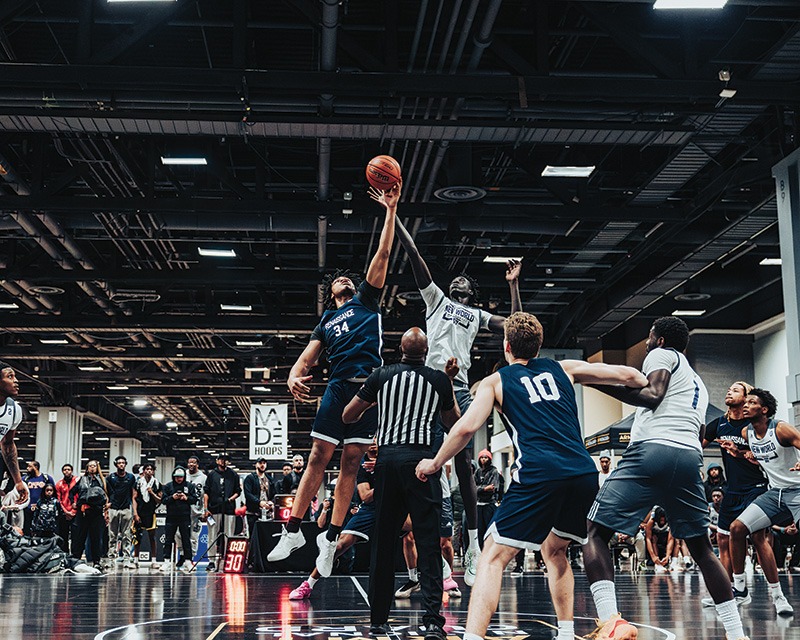
26 U.S. states and three Canadian provinces. Courtesy MADE Hoops
Every March, the sound of sneakers squeaking on hardwood and last-second shots clanging off the rim gives way to bracket mania. As arenas fill and television ratings spike for the NCAA Division I Men’s Basketball Tournament, a.k.a. March Madness, basketball dominates the national sports conversation.
But the athletes cutting down nets this month didn’t arrive on that stage overnight. Long before Selection Sunday, they were playing in convention centers packed with temporary courts, sweating through summer camps on college campuses, and competing in front of rows of folding chairs filled with parents, fans, or recruiters.
Organizations like MADE Hoops and PGC Basketball operate in that critical developmental space. MADE Hoops produces 150 annual events across 26 U.S. states and three Canadian provinces and counts roughly 100 current NBA and NBA G League alumni, along with more than 5,000 collegiate alumni across all levels. Meanwhile, PGC runs more than 200 camps each summer, teaching not only basketball skills but decision-making and leadership lessons that extend beyond the court.
For sports event planners, their models offer a timely playbook. Behind every polished tournament or transformational camp experience is a series of deliberate operational choices. Here are eight practical lessons from two leaders working on different sides of youth basketball that planners in any sport can apply.
1. Define the experience
Jordan Tillotson, vice president of operations with MADE Hoops, is clear that his organization is not in the business of simply renting courts and scheduling games.
“When you come to a MADE Hoops event, we don’t want you to just come in and play your three games and go,” he says. Instead, the goal is a more immersive environment. “For us, we try to make it more of like a festival-type atmosphere,” Tillotson explains. At one event in Baltimore, the company even brought in a barber to provide free haircuts before games. “Look good, feel good,” he says, noting how popular the activation was.
That thinking shapes how events are built from the ground up. MADE tournaments can range “from what could be a four-court, 40-team event to a 50-court, 600-team event in convention centers,” Tillotson says. When you are filling 50 courts under one roof, the atmosphere is not accidental; it is engineered.
For planners, the lesson is simple: envision and define what you want your event to feel like before you build the schedule. Is it a showcase? A community event? A developmental clinic? Your layout, programming, sponsorship integration, and staffing all flow from that identity.
2. Build a holistic model
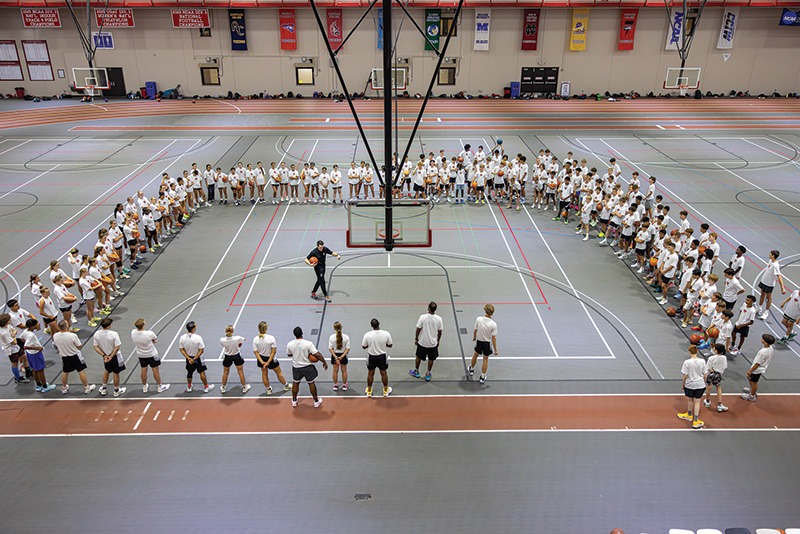
While MADE Hoops emphasizes exposure and event energy, PGC Basketball focuses on development that extends beyond the court.
“PGC is a basketball camp,” says Debbie Crusco, a conference and event planner with PGC. “We believe that every athlete has the opportunity to get better, and we teach the game of basketball, obviously through what they’re taught on the court, but also
life lessons.”
The goal is measurable growth. “Our goal is for them to leave a better person when they leave camp,” Crusco says. After their kids attend residential camps, parents often notice the difference. “We get tons of emails from parents saying, ‘What did you do to my child? They’re putting the dishes in the dishwasher. They’re making their bed. They’re cleaning their room.”
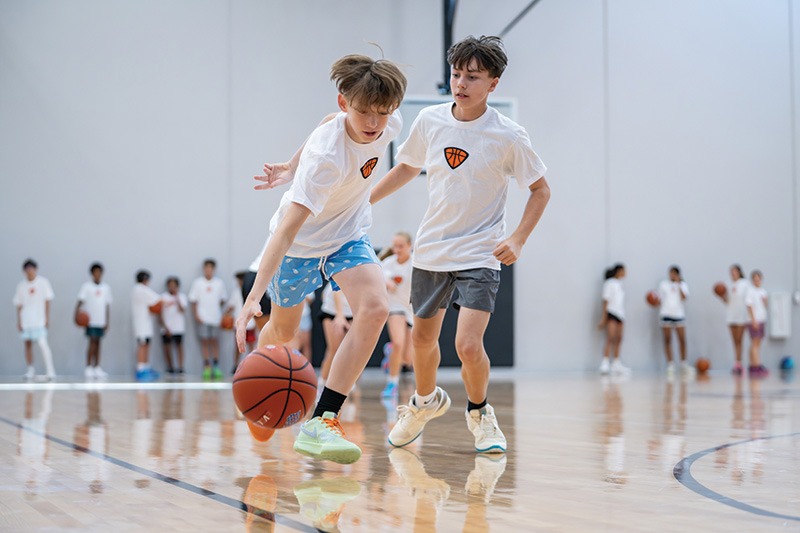
PGC’s camps are structured around that transformation. The organization will operate 207 camps this summer, split between day and residential formats, starting on Memorial Day weekend and running through the third week of August. Fall programming adds another 40 to 45 camps.
For planners, the takeaway is that outcomes must be intentional. If your promise is development, what does that look like in curriculum, staffing, and daily schedule? If your promise is exposure, how are you structuring opportunities to deliver it?
3. Scale with systems
Running hundreds of events across multiple states and provinces requires infrastructure.
PGC operates as a fully remote company, with team members located across the United States and Canada. Standardized contracts, detailed planning timelines, and clearly defined staff training allow the company to replicate its model consistently across markets. It’s busy work, but rewarding, Crusco says. “The planners don’t really get a break,” she says. “We’re constantly planning.”
Crusco also stresses the importance of building strong relationships with convention and visitors bureaus when bringing camps into a market. CVBs, she notes, can be valuable partners in identifying facility options, helping negotiate rates, assisting with hotel room blocks, and, in some cases, connecting planners with available incentives or grants. For multi-day events and residential camps, that support can ease logistical pressure and improve financial sustainability. “They can really be a great resource,” she says, particularly when you’re trying to establish a presence in a new destination.
MADE Hoops faces a different kind of scale challenge. A 600-team event in a convention center is a logistical puzzle involving court layout, scheduling software, referee coordination, and crowd flow. The larger the footprint, the more communication matters—particularly with families traveling long distances.
“Our families are spending a lot of money to travel to these events and to participate,” Tillotson says. “How do we ultimately give back to them?”
For planners considering expansion, growth must be supported by repeatable systems. Venue booking cycles, staffing pipelines, and communication templates should be established before adding
new markets.
4. Protect competitive integrity
Youth basketball brings competitive pressures that demand oversight. “One of the things that has been a concern in the youth basketball industry is age verification and ensuring the proper development of our kids,” Tillotson says. “Are we making sure that these kids are who they say they are?”
MADE Hoops works with third-party verification partners to review transcripts and birth certificates to confirm eligibility. The aim is not only fairness but appropriate development.
“If a kid is playing up or playing down, it impacts their development,” Tillotson notes.
For event organizers in any sport, clear eligibility standards build trust. Competitive integrity is not just about rule enforcement; it protects athlete growth and organizational credibility.
5. Tackle industry-wide shortages
Another operational challenge is officiating. “It’s very hard to find good, qualified officials,” Tillotson says. “It’s an aging population right now where all the good officials that have done it for a long time are starting to retire.”
Rather than accept the shortage, MADE Hoops has supported the development of The Ref School, which provides online coursework and mentorship before new officials step onto the floor.
Workforce sustainability is not a basketball-only issue. Whether it is officials, athletic trainers, or volunteers, planners must think beyond immediate staffing needs and invest in pipelines.
6. Address accessibility
The cost of youth sports continues to climb. “The increasing cost of what it takes to travel to an event, to play in a high-level caliber youth basketball event—the cost of entry is pretty substantial,” Tillotson says.
In response, MADE Hoops launched the MADE for All Foundation, a nonprofit designed to create opportunities for athletes who may not otherwise have access to travel basketball. The organization has also partnered with brands such as Gatorade and Foot Locker to host free clinics alongside major events.
PGC approaches access through scholars
hips and discounts. “It could be a full scholarship, it could be a partial scholarship, it could be a small discount,” Crusco says. “It really depends on the situation.”
For planners, accessibility strategies can expand both impact and audience. Scholarship funds, sponsor-supported programming, and transparent pricing policies demonstrate long-term commitment to the community.
7. Hire and train for culture
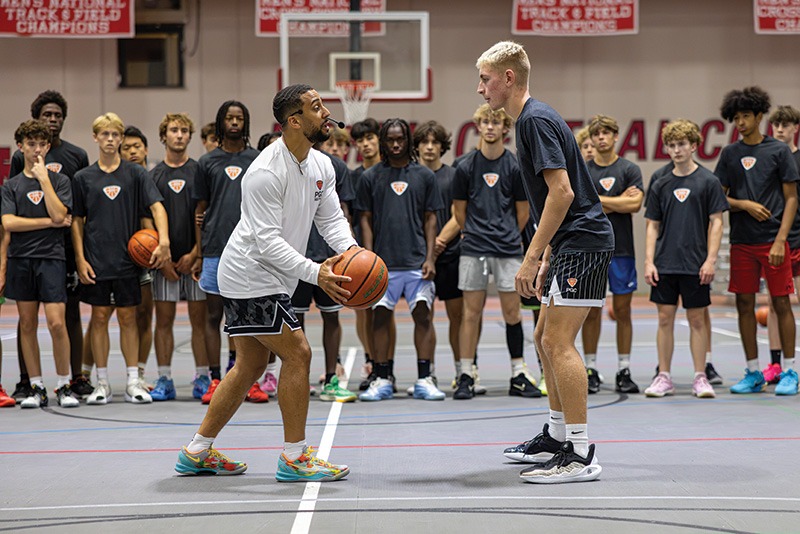
Consistency across markets depends on staff alignment. At PGC, camp directors must complete specific internal training before leading programming. “They cannot run a course until they have been trained and mastered in that teaching,” Crusco says. That ensures a camp in California mirrors the experience of one in Pennsylvania.
Tillotson echoes that emphasis on staffing, particularly when it comes to coaches. “We have really close relationships with a lot of experienced coaches and not just hiring anybody to come and coach at a camp,” he says. “Making sure that it’s somebody that cares about the athlete, that is experienced in teaching basketball and someone that can give our families and our athletes that next-level experience.” He is blunt about the stakes. “We’re only as good as our coaches who are at our camp, and making sure that that’s a reflection of who we are at MADE. You can’t shortcut experienced professionals in the basketball industry.” For planners, the message is clear: staffing quality is brand protection.
At MADE Hoops, culture is reinforced through partnerships with host destinations and sponsors. Tillotson points to working with cities and visitor bureaus to enhance the overall event experience, including identifying dining discounts for traveling families.
“We want to create a full-on experience around them,” he says.
For planners, hiring for culture and training for consistency is not optional because brand reputation lives or dies on the on-site team’s delivery.
8. Align with the long-term athlete journey
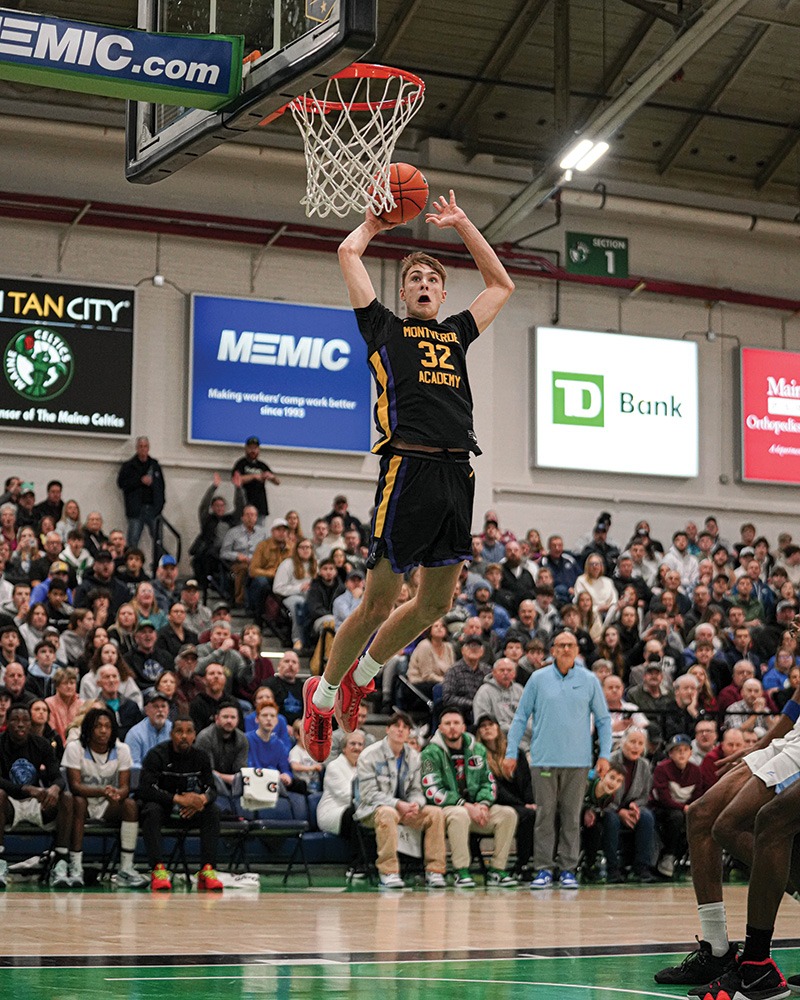
March shines a spotlight on elite college basketball, but both organizations see themselves as part of a broader pathway. MADE Hoops’ alumni include roughly 100 current NBA and NBA G League players and more than 5,000 collegiate athletes. Among them is Duke standout Cameron Boozer, a former MADE participant who now plays on one of the sport’s biggest stages. “These are opportunities for kids to play in front of college coaches,” Tillotson says of the company’s grassroots events. The goal is to “maximize their development” and provide a platform.
PGC’s focus is different but equally long-term. “The athlete really wants to be there,” Crusco says. “They want to get better.”
For planners, understanding where your event fits within an athlete’s journey informs everything from scheduling to sponsor messaging. Are you an entry point? A showcase? A developmental accelerator? Clarity strengthens positioning.
As March Madness captures national attention, it is easy to focus only on the final product—packed arenas and televised drama. Yet those moments are built on years of intentional event design, structured development, and operational consistency.
The players stepping onto college basketball’s biggest stage this month likely passed through grassroots tournaments and summer camps long before they made an NCAA team lineup. Some of them may have once played under the lights of a MADE Hoops showcase or taken notes in a PGC classroom session.
For event planners, the message is clear. Define the experience, build systems that support growth, protect integrity, invest in people, and address access.
Because when a former participant—perhaps even a Duke star like Cameron Boozer—rises to prominence in March, it is not only a win for the athlete. It is a reminder that well-executed events and camps, far from the television cameras, help build the game’s future.