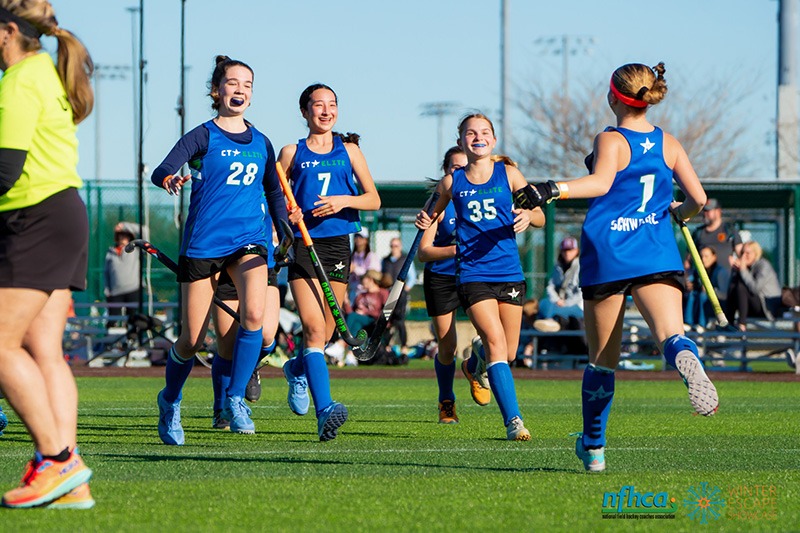
Field hockey may not command the same headlines as soccer or basketball in the U.S., but its growth at the youth travel level tells a different story. Globally, it is the fourth most played team sport in the world according to the International Hockey Federation, with an estimated 20 million players, and it remains a fixture on the Olympic stage.
In the U.S., its collegiate footprint is substantial and stable, with 372 NCAA field hockey programs drawing from an expanding pipeline of youth athletes.
That pipeline now fuels a packed national tournament calendar. Nearly every weekend during peak seasons, large-scale field hockey events draw hundreds of teams, thousands of athletes, and rows of college coaches scanning sidelines. These weekends are carefully engineered with the need to balance field availability, officials, technology, finances, and people, all while delivering an experience that keeps clubs and families coming back.
Tina Edmonds, owner and head coach of Texas Pride Field Hockey, is a former University of Maryland standout who won two NCAA national championships and earned All-American honors before building one of the most successful field hockey clubs in the South. Since taking over Texas Pride in 2013, she has helped grow the sport in the Houston area through youth leagues, travel teams, and full-service development programming from kindergarten through high school.
“When I moved to Houston, there really wasn’t much field hockey at all,” Edmonds says. “We would go to tournaments and people would say, ‘Texas? We didn’t even know field hockey existed there.’ Now our travel teams are ranked in the top 10 annually, and the growth in Houston over the last decade has been astronomical.”
Behind the scenes, organizers and club leaders say the sport’s growth has forced rapid evolution in how tournaments are designed and managed, turning field hockey weekends into complex, high-volume events. If you’re a planner who wants to get in on the action, here’s what you need to know.
Scaling a tournament weekend
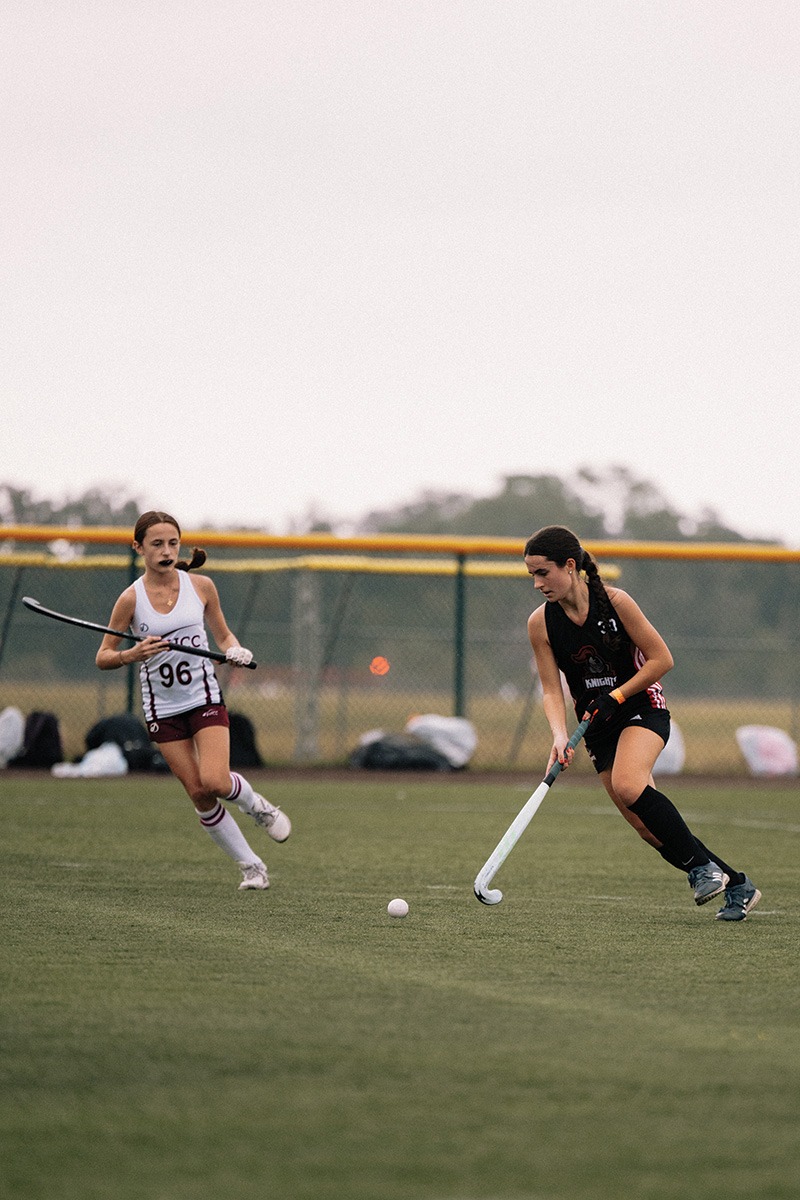
Performance Sports Events runs some of the largest youth field hockey events in the country, including Shooting Star Thanksgiving, which draws hundreds of elite club teams, thousands of athletes, and a deep roster of NCAA college coaches each Thanksgiving weekend.
At the center of the event is Ainslee Lamb, CEO of Performance Sports
Events, who has spent more than a decade working in field hockey event operations. Lamb was a college coach before spending a decade building the field hockey division at 3STEP Sports. About a year ago, she and several colleagues launched Performance Sports Events, bringing their portfolio of tournaments under a new banner while maintaining the same operational framework.
“We didn’t want the athlete or coach experience to change at all,” Lamb says. “The difference is that now we get to make decisions that align with how we believe events should be run.”
Those decisions are tested every weekend. Large PSE events may operate nearly 20 turf fields simultaneously, often stretching play into the late evening hours. Each field must be scheduled, staffed, and supported, with little margin for error.
“You really have to break the event down into all of the different constituents that make it work,” Lamb says. “Officials, facilities, teams, college coaches, vendors—every group matters, and if one piece slips, everyone feels it.”
Edmonds noted clear organization is everything. “Good communication before, during, and after an event matters, and so does how the event is presented,” she says. “A strong social media presence, good photography, and clear information all make tournaments more attractive and easier for families to navigate.”
From a national perspective, Cate Clark, executive director of the National Field Hockey Coaches Association, notes that field hockey’s structure makes this kind of scale possible but only with careful planning.
“As a turf sport at the college and elite levels, field hockey is well-positioned to scale,” Clark says. “Multi-field synthetic turf complexes allow hundreds of games to be played reliably on standardized surfaces that mirror the collegiate game.”
Developing officials
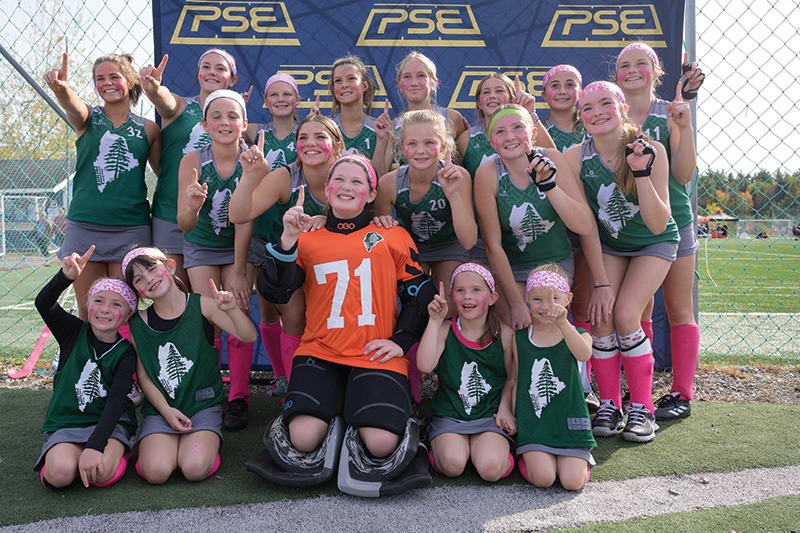
If there is one challenge that consistently tests tournament operators, it is officiating. Like many youth sports, field hockey faces a nationwide shortage of officials, particularly at the experience levels required for elite travel events.
“That’s the biggest challenge, hands down,” Lamb says. “You need enough umpires, but you also have a responsibility to develop them while keeping athletes safe and coaches confident in the game.”
Performance Sports Events deploys extensive advance planning to address that challenge. For a single Shooting Star Thanksgiving weekend, the organization may staff 150 umpires, each selected from a large database built over years of running events. Officials submit interest forms, list availability and experience levels, and are assigned accordingly.
But recruitment is only part of the equation. Lamb noted development is just as critical, especially if the sport wants to sustain its growth. “We run a shadowing program at every tournament,” she says. “New umpires walk with experienced ones, then switch roles. By the end of the weekend, our goal is to have them confidently officiating on their own.”
Clark notes that officiating challenges extend well beyond field hockey. “This is a nationwide youth-sports issue,” she says. “What matters is that event operators invest in real-time evaluation and development, which encourages officials to stay in the game.”
For that reason, the NFHCA has launched initiatives like the Stay in the Game campaign and the Green Whistle Project to encourage former players to pursue officiating and coaching roles. Club leaders feel the impact directly. For instance, Adam Falla, head coach and general manager of Lonestar Field Hockey Club, which runs youth events throughout Texas and Oklahoma, notes that officiating quality can shape the entire tournament experience.
“This is a hard sport to officiate,” Falla says. “Positioning is critical, and poor positioning leads to poor vision and then poor decisions. Investment in training is essential, especially at scale.”
Finding the right fields
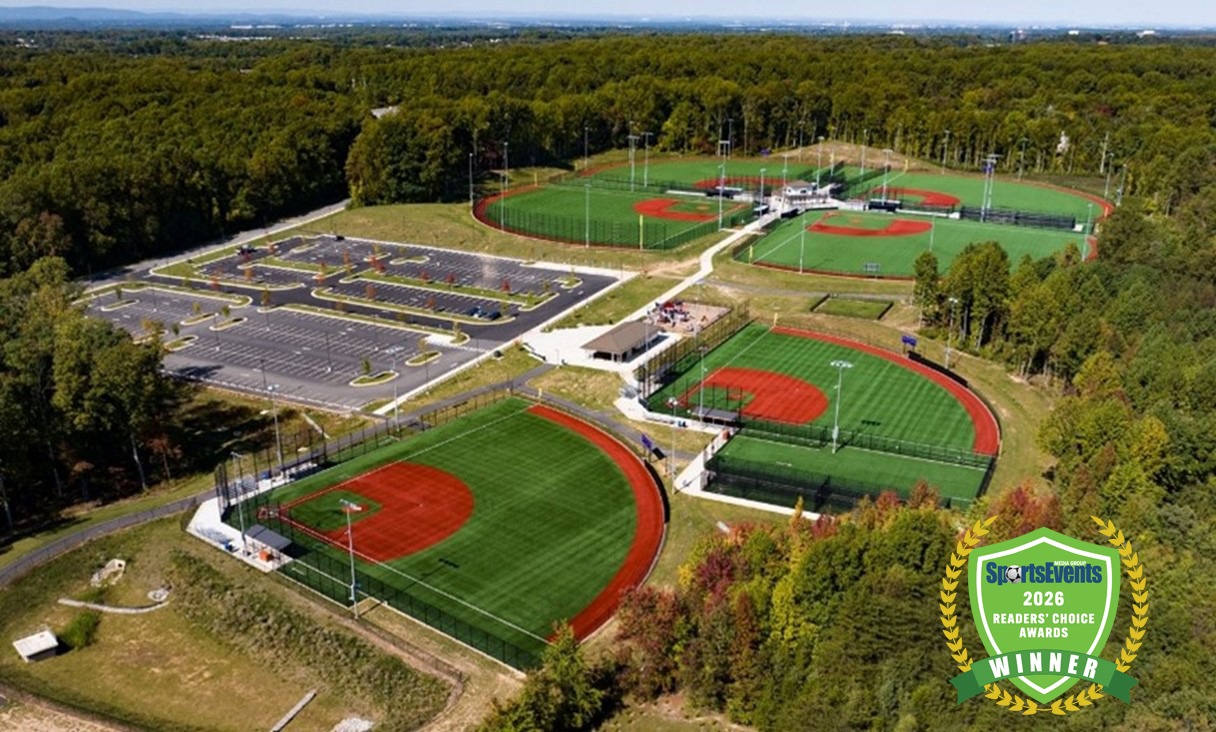
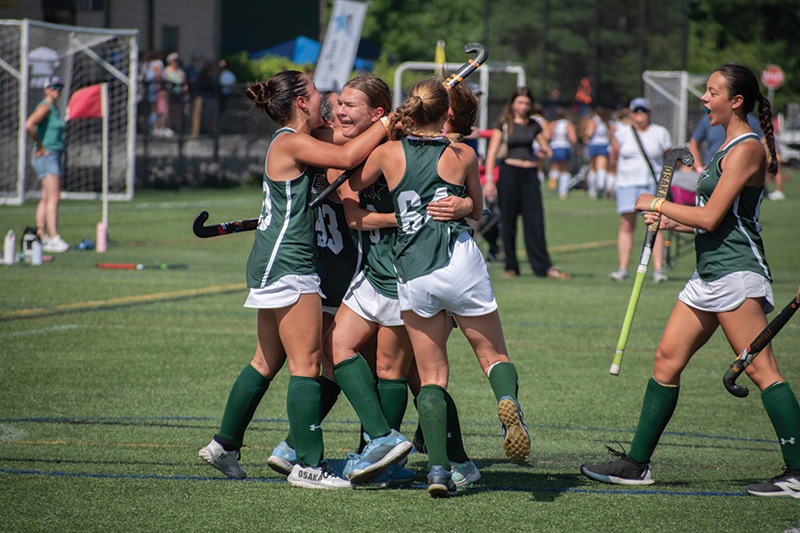
Facilities present another major challenge. At competitive levels, field hockey is played exclusively on artificial turf, and not all turf fields are created equal.
“For us, turf is non-negotiable,” Lamb says. “We want infill fields, proper markings, goals, and ideally, lighting so we can go late. Those facilities are few and far between.”
At Shooting Star Thanksgiving, PSE runs 19 turf fields at once, often adapting multi-sport complexes to meet field hockey needs. In some cases, staff tape lines or supplement markings to ensure consistency across fields.
Clark notes that the expansion of large turf complexes nationwide has been a major enabler of growth. “These facilities allow for reliable scheduling and reduce weather-related disruptions,” she says. “That reliability is crucial when you’re running hundreds of games in a weekend.”
From a club standpoint, Falla emphasizes that surface quality directly affects athlete safety and performance. “A flat, fast, consistent turf dramatically improves the game,” he says. “It also reduces injury risk and improves enjoyment.”
Ironically, Falla notes older turf fields can sometimes outperform newer ones for field hockey.
“The more worn the turf, the flatter and faster it often plays,” he says. “That can actually suit field hockey better than brand-new surfaces.”
Designing competition that works
Beyond fields and officials, tournament structure itself plays a critical role in the sport’s success. For Falla, competitive balance is one of the most overlooked aspects of large events.
“When I organize a tournament, I want the average score differential to be as low as possible,” he says. “Everyone wants to be challenged, but blowouts don’t help anyone.”
Achieving that balance requires careful team ranking, thoughtful pool design, and flexibility throughout the weekend of games, all of which increase operational complexity but improve long-term satisfaction.
Clark notes recruiting-focused tournament models have also reshaped event design. “College coaches need to navigate busy weekends efficiently,” she says. “Events that protect peak-value time slots and provide structure beyond just games create real value.”
Those extras increasingly include recruiting seminars, coach-to-player engagement opportunities, and curated schedules that align with recruiting priorities.
Managing finances
Despite their scale, large field hockey tournaments operate on relatively tight margins. Team entry fees remain the primary revenue source, with sponsorships and vendor participation providing supplemental income. “We also have a vendor village at our major events,” Lamb says. “It adds to the experience more than anything.”
Field hockey-specific equipment can be difficult to find at retail, and vendor villages allow athletes to see, touch, and purchase gear on site. While vendor fees help offset infrastructure costs, Lamb notes they are not a major profit center.
Expenses, on the other hand, add up quickly. Officiating is the single largest cost category, followed closely by facility rentals. “We house our umpires, feed them three meals a day, and often provide travel stipends,” Lamb says. “If you don’t take care of your officials, you don’t have an event.”
Clark notes that investing in experience is what drives repeat attendance. “Clubs return to events they trust,” she says. “Consistency, communication, and quality matter.”
Using the best tech
Technology has become an important part of running a smooth tournament. For instance, Performance Sports Events uses LeagueApps for registration and roster management, eliminating on-site paperwork entirely. This way, athlete rosters and compliance documents are completed electronically before teams arrive.
Those rosters feed into EventBeacon, a recruiting platform that allows college coaches to identify athletes instantly on the sidelines and access game film after the event.
“If the roster isn’t complete, coaches don’t know who the athlete is,” Lamb says. “Families understand how important that is.”
AI-powered video has further streamlined operations, allowing dozens of fields to be filmed simultaneously with minimal staffing. College coaches can review full games remotely, extending the recruiting impact beyond any field hockey weekend itself.
Communication has also evolved. Email databases and social media allow organizers to relay schedule changes or weather updates instantly.
“It’s night and day compared to how it used to be,” Lamb says. “People feel informed, and that reduces frustration.”
Growing the culture
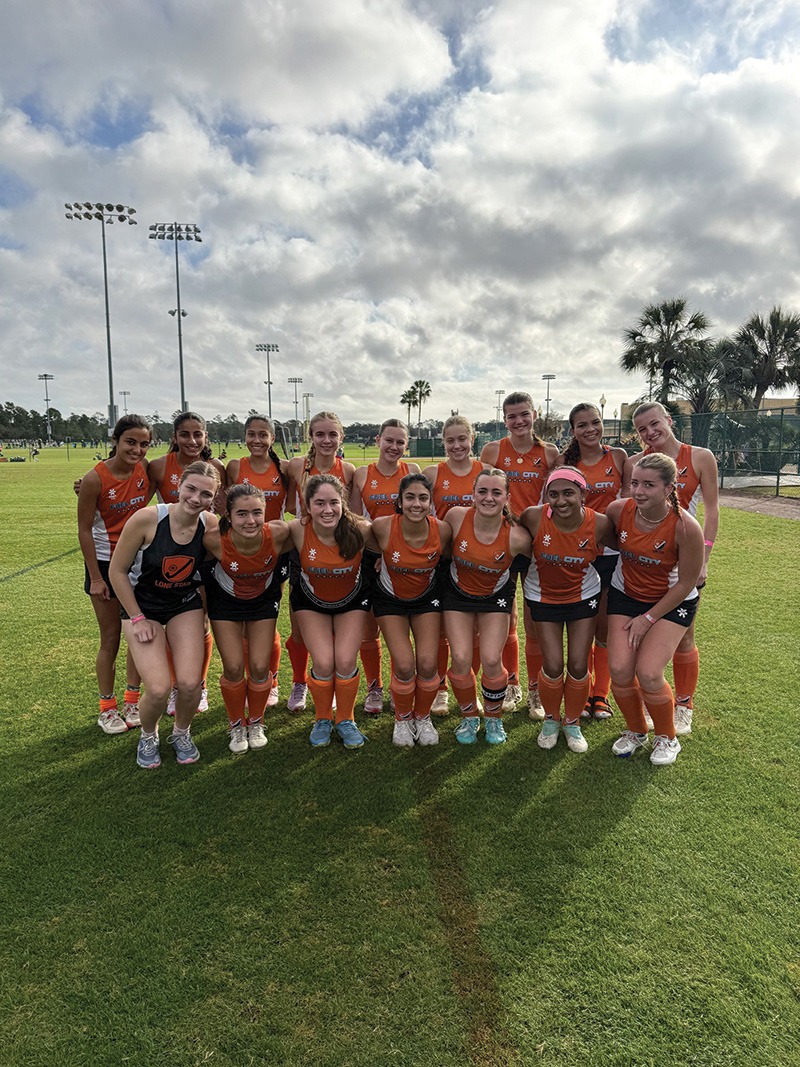
Field hockey has increasingly become a multi-generational sport, with families playing significant roles in its vibrant community. This trend is evident as families often have multiple daughters participating in different age groups, and it’s common for mothers to have played the sport themselves.
The rise of field hockey is part of a broader surge in women’s sports, driven in part by a renewed appreciation for team environments following the pandemic. As Falla notes, “Families want their daughters involved in team sports,” and field hockey has notably benefited from this momentum.
As participation continues to grow, it is essential to maintain trust and communication among all groups involved.
Lamb emphasizes this point by stating, “Our mantra is that everyone must feel valued.” This includes athletes, parents, umpires, coaches, and vendors; each group plays a critical role in the sport’s ecosystem.
Clark adds that creating a positive experience is vital for long-term success, noting, “These events thrive when they provide value beyond just the games.” This holistic approach contributes to the sport’s health and ensures that all participants feel engaged.
However, the challenge lies in expanding the sport without losing the personal touch that has always been its foundation. As field hockey continues to grow in popularity, this balance will be crucial. If that equilibrium is achieved, the sport’s recent quiet surge will no doubt become much louder in the near future.