Mixed martial arts (MMA) continues to grow in popularity across the U.S., attracting new athletes, fans, and communities to the sport. For event planners, that growth brings opportunity, but also responsibility. MMA events require careful coordination, specialized oversight, and a strong focus on safety and integrity. Unlike many amateur sports, MMA operates within a complex framework of regulations, insurance requirements, and safety protocols that vary by state. Organizers who underestimate that complexity can put athletes—and events—at risk.
To learn what it takes to host a safe and successful MMA event, we reached out to two representatives from the United States Fight League (USFL), a nonprofit sanctioning body overseeing youth and adult MMA competition. They say success starts with understanding what makes MMA different and planning accordingly, which is where these five practical tips come into play.
1. Start with sanctioning
Before securing a venue or building a bout card, planners should first understand the regulatory landscape. MMA is governed at the state level, and requirements can vary significantly by location.
“Each state is going to have different regulations,” says Joe Stevenson, president of the California-based United States Fight League (USFL). “Whenever you’re going to throw an event, you want to always look at your athletic commission that is in charge.”
Even with a national organization involved, events must still comply with state rules. “Although we are the governing body in the United States, we still have to fall under the state regulation as well,” adds Mike Sydara, a USFL administrator and official.
Stevenson emphasizes that sanctioning protects everyone involved. “Once you throw an event—selling tickets, profiting—everything needs to be above board,” he says. “That’s how you demonstrate a fair and safe sport.”
2. Build safety into the event plan
Safety planning goes far beyond the competition area itself. According to USFL officials, MMA events require detailed medical and emergency preparations long before doors open.
“We have a doctor ringside. We have an ambulance,” Stevenson says. “These are California Athletic Commission rules and regulations.”
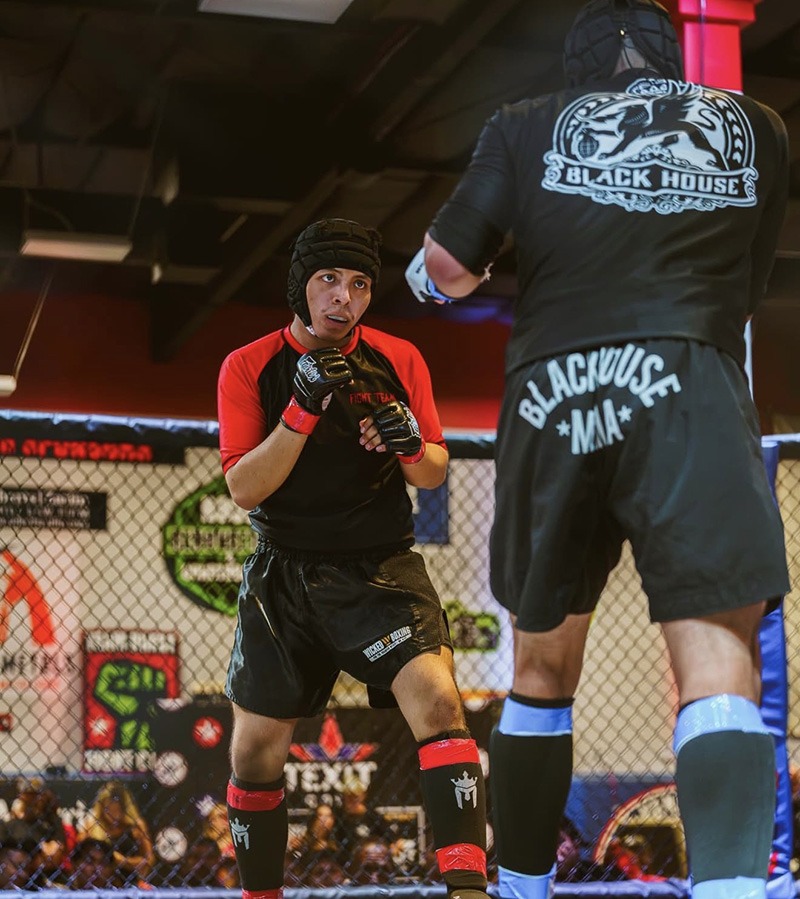
The USFL also enforces an extensive set of rules and safeguards for the actual fight, which are especially stringent for youth fighters. For example, there are
no head strikes allowed in youth matches to prevent either fighter from sustaining a concussion.
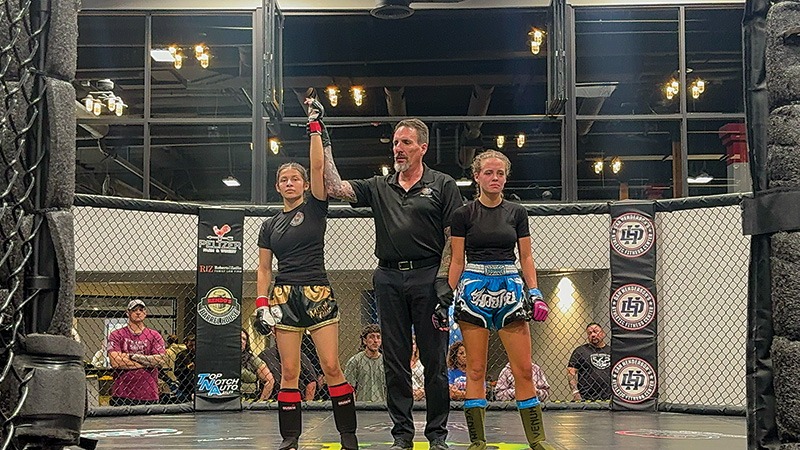
On event day, organizers conduct walkthroughs to confirm access and flow. “We do a safety walk to ensure uninterrupted access to the cage, to the ambulance, and to each locker room in case of an emergency,” Sydara says.
Access control is also critical. “Only a certified official or cleared officials can be in there during the bout,” he explains. Locker rooms are similarly restricted to vetted personnel.
“These are all things planners need to think about,” Stevenson adds, noting that safety planning must be intentional, visible, and consistent throughout the event.
3. Know your insurance responsibilities
Insurance is another area where planners often underestimate what’s required. According to Stevenson, MMA events typically require more than one form of coverage.
“There are two separate insurances,” he said. “One is for the athletes, and the other is the actual event and venue outside of the competition.”
Venue insurance covers spectators and facility liability, while competitor insurance covers athletes and officials. “Your venue needs accidental insurance for anything that may happen to the crowd that’s watching,” Stevenson says.
For youth events, coverage becomes even more critical. “When you have an event with youth, you want to make sure you have insurance to cover the youth,” he says. Understanding these distinctions early helps planners avoid last-minute issues and ensures that venues, athletes, and organizers are properly protected.
4. Select venues carefully
MMA events can be hosted in a variety of spaces, but not every venue is automatically suitable. USFL officials said planners should evaluate facilities with safety, access, and layout in mind.
“You can use your regular gym if it’s big enough and has everything that’s proper and appropriate,” Stevenson says. “You can also use high school gymnasiums. There are multiple websites you can go on, especially since they’re government buildings, to rent them when they’re not being used.”
Regardless of location, venues must support emergency access and safe competition areas. “We walk around the cage to make sure there’s no exposed metal or danger,” Stevenson says.
Environmental factors also matter, especially for outdoor competitions. “We’ve seen events where the canvas was extremely hot and dangerous,” he says. Whether using a cage, a ring, or an open-mat format, planners must ensure the space meets safety and sanctioning standards before the first bout begins.
5. Staff events with trained, vetted personnel
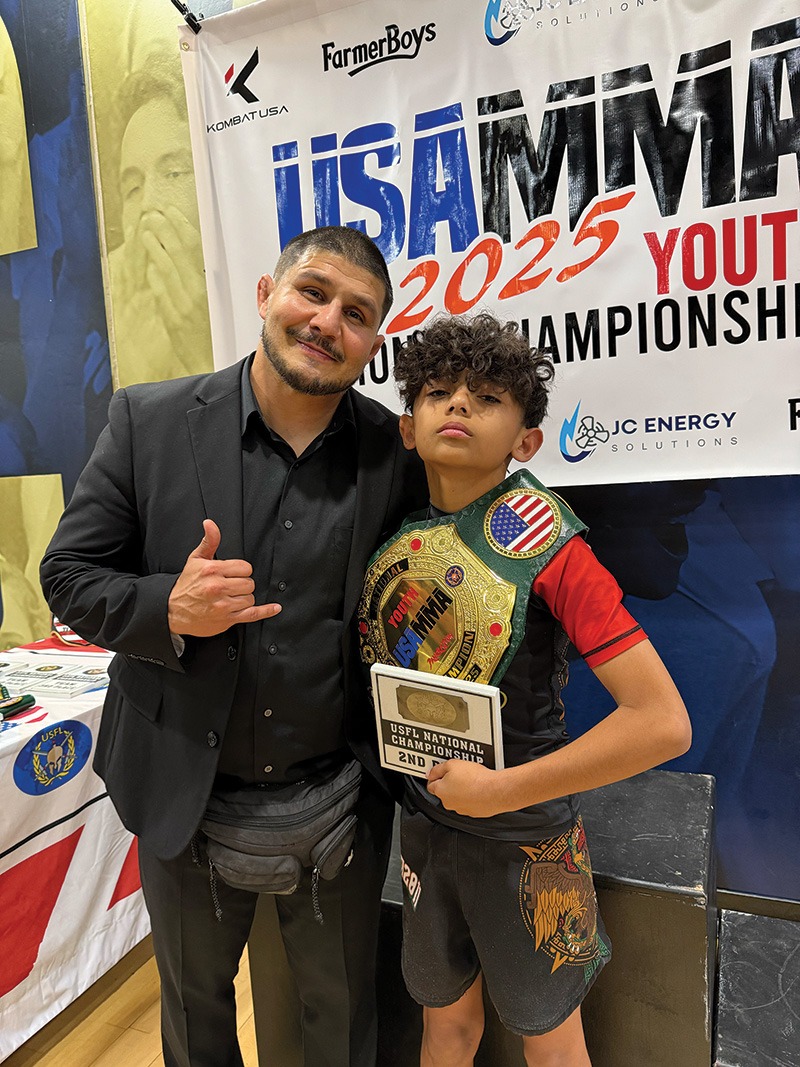
Successful MMA events depend heavily on experienced officials and properly vetted volunteers. According to USFL leaders, staffing is never improvised. “No adults can be in locker rooms unless they’ve been cleared and background checked,” Sydara says. “That includes coaches and even parents.”
Officials typically begin by gaining experience through shadowing. “Most people start as volunteers and shadow experienced officials,” Sydara explains. “You have to learn the ropes and get your reps.”
Stevenson says integrity is central to the whole process, particularly in how a match is officiated and scored. “If the integrity is questioned, we can go back on film, review it, and demonstrate exactly how scoring was applied,” he says. By relying on trained, credentialed personnel, planners help ensure fairness, safety, and credibility targets are met, which is essential to any MMA event’s long-term success.