No matter the sport, running a successful event in one venue is challenging enough. However, when the event spans multiple facilities, campuses, or communities, it’s a whole new ballgame. Complexity multiplies quickly. From coordinating schedules and staffing to managing transportation, communication, and the attendee experience, multi-venue sporting events introduce a unique set of moving parts that can test—and stress—even the most seasoned planners. Yet with the right strategies in place, multi-venue events can run just as smoothly. We caught up with two seasoned event professionals who know what it takes to keep a multi-venue event on pace. Here are their top five tips.
1. Put athletes first
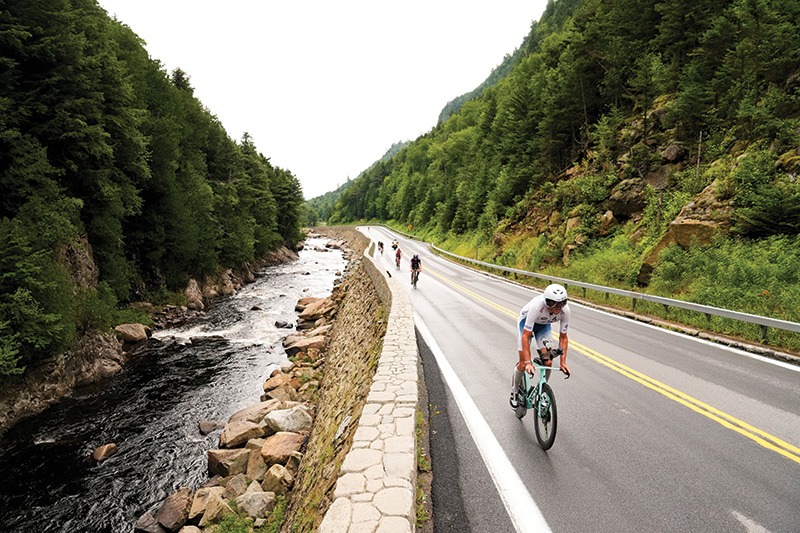
IRONMAN events include swimming, biking and running courses—along with expo areas, Ironman Village, and a host of ancillary experiences—so the footprint in any host community is anything but small. For Keats McGonigal, senior vice president and managing director for the North America region, building the multi-venue schedule begins long before dates and times are locked in—it starts with thoughtful consideration of the athlete’s experience. “The biggest piece for us is looking at the athlete experience,” he says. “How do we deliver the best athlete experience essentially from end to end?” That mindset shapes every scheduling decision, from how athletes arrive and where they stay to what race day feels like once they step into each venue. McGonigal explains that his team puts themselves in the athlete’s shoes, asking what will make the experience user-friendly, memorable, and worth coming back for. From there, scheduling becomes an exercise in proactive planning. When entering a new market, those conversations often begin 18 months to two years out, giving organizers time to align with local communities and map out details well in advance. Just as importantly, McGonigal notes that finalizing schedules early allows athletes to plan their travel with confidence. “When we open registration, we try to have the schedule for the race out so that athletes can plan their travel accordingly,” he adds.
For IRONMAN, that athlete-first philosophy doesn’t stop once the big milestones are set—it extends into the smallest details of how the schedule is built and experienced. With a sport that requires extensive equipment and multiple venues, McGonigal says the team closely examines where logistics might create unnecessary stress for participants and plans accordingly. For example, they incorporate equipment drop-off into the schedule the day before race day, allowing athletes to take care of logistics in advance rather than scrambling the morning of the event. “So, that way, they can wake up, focus on good nutrition, have a good breakfast, and let that be their mental focus as opposed to, ‘How do I get my bike to the venue?’” McGonigal explains.
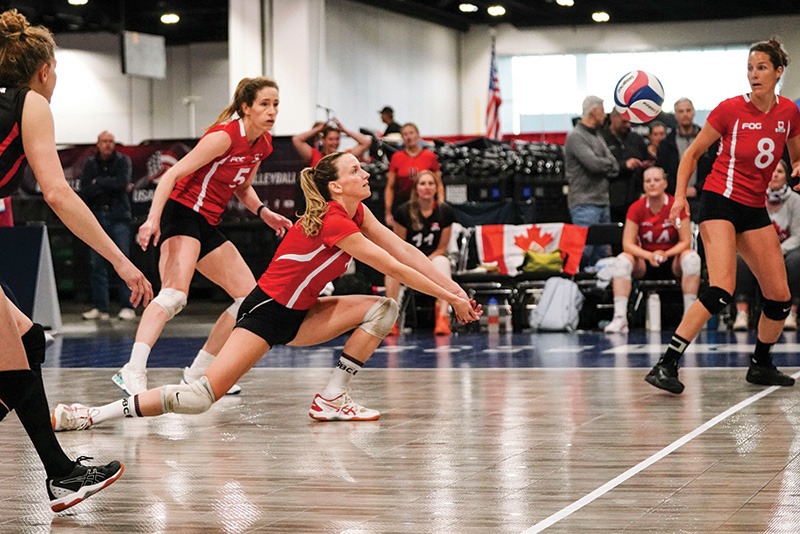
For USA Volleyball, thoughtful scheduling across multiple venues is just as much about families and logistics as it is about competition. With events in cities where multiple gym spaces are being used, clarity and consistency are critical, notes COO Steve Bishop. From his perspective, one of the most important scheduling strategies is keeping divisions anchored to a single venue whenever possible. “If you’re going to have multiple venues, keep your divisions in the same venue from beginning to end,” he explains, pointing out that families often book hotels and ground transportation based on where their athletes are playing. That approach minimizes confusion and unnecessary movement during the event. At the same time, flexibility is built into the schedule for championship moments. Bishop adds that while early rounds may stay put, teams advancing to finals can shift to a primary venue with a true championship court and space for awards, while others transition to secondary sites where those elements aren’t needed.
2. Streamline transportation
When schedules are built with intention—as Bishop already noted, for example, by keeping teams at the same venue all day—transportation becomes far less of a moving target, minimizing venue-to-venue travel during competition hours. “If you’re going to have teams travel from venue A to venue B at any point during competition day, you have to factor all that in,” he says, noting how even short transfers can ripple into delays. That’s why, whenever possible, USA Volleyball eliminates the need for mid-day movement of teams. “You don’t have to try to wait for Team B to make the trip while Team A is standing on the court for an excessive amount of time waiting,” Bishop adds.
For IRONMAN events, participants must be moved between venues. In some host communities, that means transporting athletes from a transition area to the swim start, a process that demands precision and redundancy. “Make a plan on how many people you’re going to need to move and then work through how many buses you’re going to use,” Keats explains. To eliminate guesswork, his team has every bus drive the exact route in real-world conditions ahead of time to understand true travel times and turnaround. From there, they build in contingency time for the unexpected—whether it’s slower boarding, forgotten gear, or mechanical issues. “One of the pieces we’ve developed over the years is essentially overplanning on buses and having a few more than you need,” he says, noting that even the best plans can be disrupted by a breakdown or delay.
3. Use the best tech
Technology plays a critical role in keeping IRONMAN operations—and the athlete experience—on track. One priority for the organization has been making operational information more accessible and transparent, thereby enhancing engagement for everyone involved. “We have an app where friends, family, and spectators can get updates when athletes cross specific checkpoints on the race course,” McGonigal explains. “So not only do we know, but friends and family of the athletes can get updates when they cross specific checkpoints on the race course.”
Behind the scenes, redundancy is just as important. On race weekends, IRONMAN operates across multiple communication platforms, including Microsoft Teams and WhatsApp, ensuring the event can continue seamlessly if one system goes down. That layered approach allows staff to stay connected, respond quickly to issues and keep the focus where it belongs—on delivering a safe, well-coordinated experience for athletes across every venue.
4. Connect the right people
With volunteers and staff spread across miles of course and multiple venues, staffing at IRONMAN events is built on structure, clarity, and redundancy. To manage that scale, the organization relies on a tiered staffing model that pairs experienced staff members with designated volunteer captains. “We’ve taken our volunteer needs and broken them down into manageable pieces,” McGonigal says, explaining that each functional area—such as an aid station on the run course—is overseen by a volunteer captain who works directly with a trained staff lead. That layered approach not only keeps operations organized but also builds in safeguards. “It enables us to have multiple layers of redundancy,” he notes, reducing the risk of a single point of failure on race day. Just as critical is starting the process early and communicating often. Volunteers receive detailed instructions well in advance, including parking locations, maps, and step-by-step directions to their assigned areas, allowing them to self-navigate and arrive prepared.
At USA Volleyball, staffing for multi-venue events also requires a layered approach, with clear roles and decision-making authority built into each site. “You can have multiple competition directors, one at each site overseeing, but generally only one tournament director,” Bishop explains. “At a multi-venue event, you’d have site directors, and they may have instructions that anything up to this level you make the call, above that level give us a call and we will weigh in.” This structure ensures that each location can operate independently while still maintaining consistency and support from the overarching leadership team.
5. Expect the unexpected
Contingency planning is a cornerstone of IRONMAN’s operations, ensuring that both athletes and staff can handle the unexpected without missing a beat. “We work very extensively with our local venues and our partners, and that includes city, county, and state officials, traffic management, public works, medical staff, and EMS,” McGonigal explains. “All of those teams come together for regular meetings leading up to the events.” Part of those preparations include developing detailed contingency plans for various scenarios. Race protocols are strict on the safety side, and built-in buffers allow, for example, a delayed start if weather rolls in—plans that are communicated in advance so that on race day, everyone knows exactly what to do. “On race day, it’s just go and execute plans,” he notes, reiterating the goal of minimizing surprises and keeping the focus on delivering a seamless athlete experience.
Another critical piece of contingency planning, McGonigal emphasizes, is making sure the right people are in the room—those who will actually be on the ground when the event is happening. “I’ve seen situations where one county sheriff will be coming to planning meetings, but they aren’t necessarily working race weekend,” he explains. The key is identifying who will be available to pick up the phone or make decisions during the event and ensuring a direct connection to them. “This applies across all partners, from law enforcement to venue staff,” he adds. “Having access to the people who will actually be operating the event—and the decision makers for that venue or city—can make all the difference when issues arise on race day.” And while you can’t predict every potential obstacle or pitfall, having all the right people and plans in play will put you in a good position to be ready for anything that comes your way.