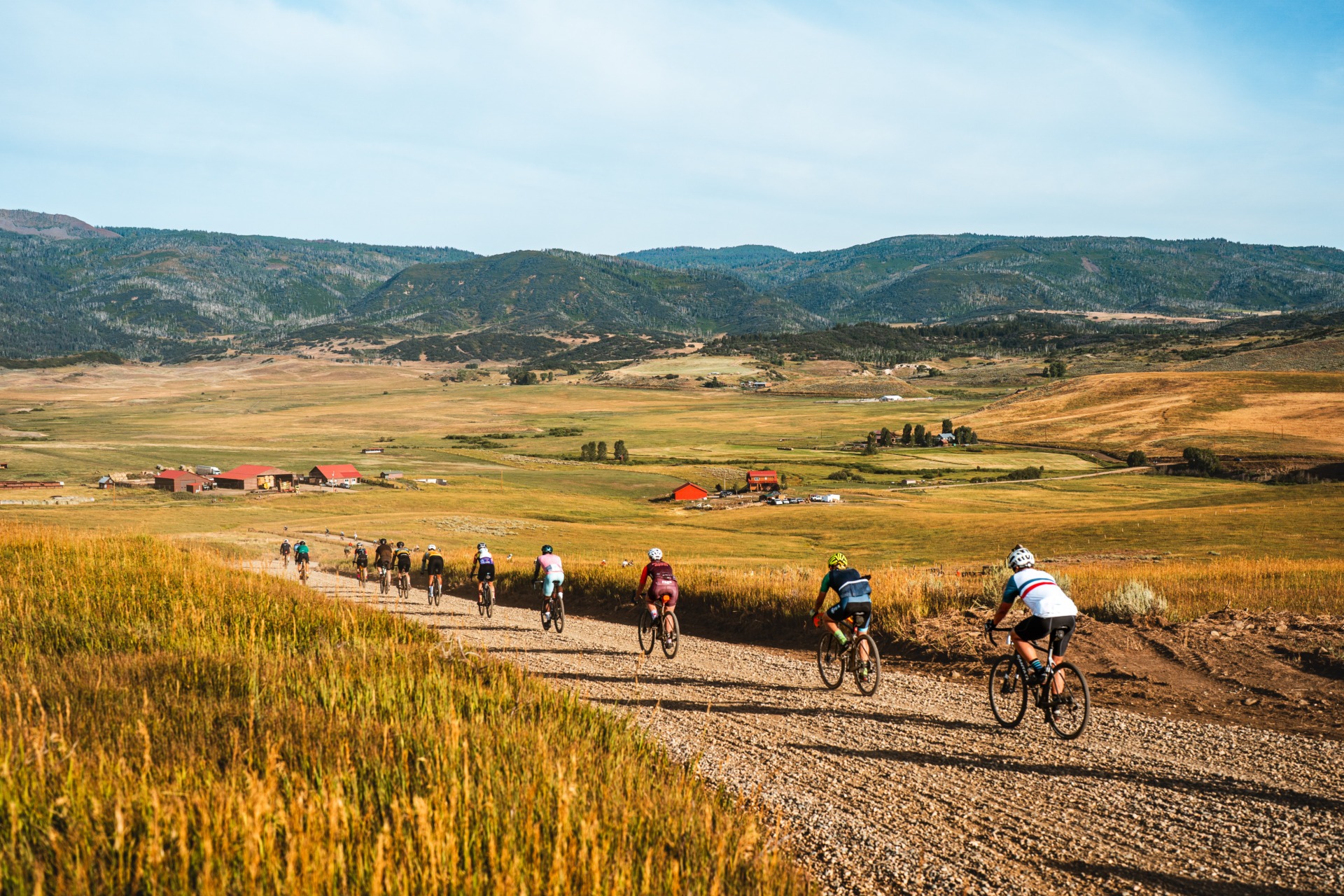
The best roads aren’t always paved—sometimes they’re covered in crushed stone, winding through rolling farmland, and stretches of countryside few cars ever travel. That’s exactly what has drawn thousands of cyclists off the pavement and onto gravel, where the ride is less about dodging traffic and more about discovering where the next turn leads.
This type of cycling, known as gravel riding or gravel biking, has emerged as one of cycling’s fastest-growing disciplines, allowing riders to venture onto quiet gravel roads, paths, and remote backroads. The cycling and fitness app Strava reported a 55 percent increase in gravel participation in 2023, a surge fueled in part by riders seeking a safer experience. “It’s a way safer form of cycling opposed to road where you have the factor of cars or mountain biking where you have the danger aspect going downhill at high speeds, weaving in and out of trees and around rocks,” says Sofia Gibson, assistant lead promoter and outreach coordinator for Gravel Worlds, a gravel cycling event series based in Lincoln, Nebraska. “Gravel riding is a chance to get out by yourself and be able to be in a safer environment.”
Natural evolution
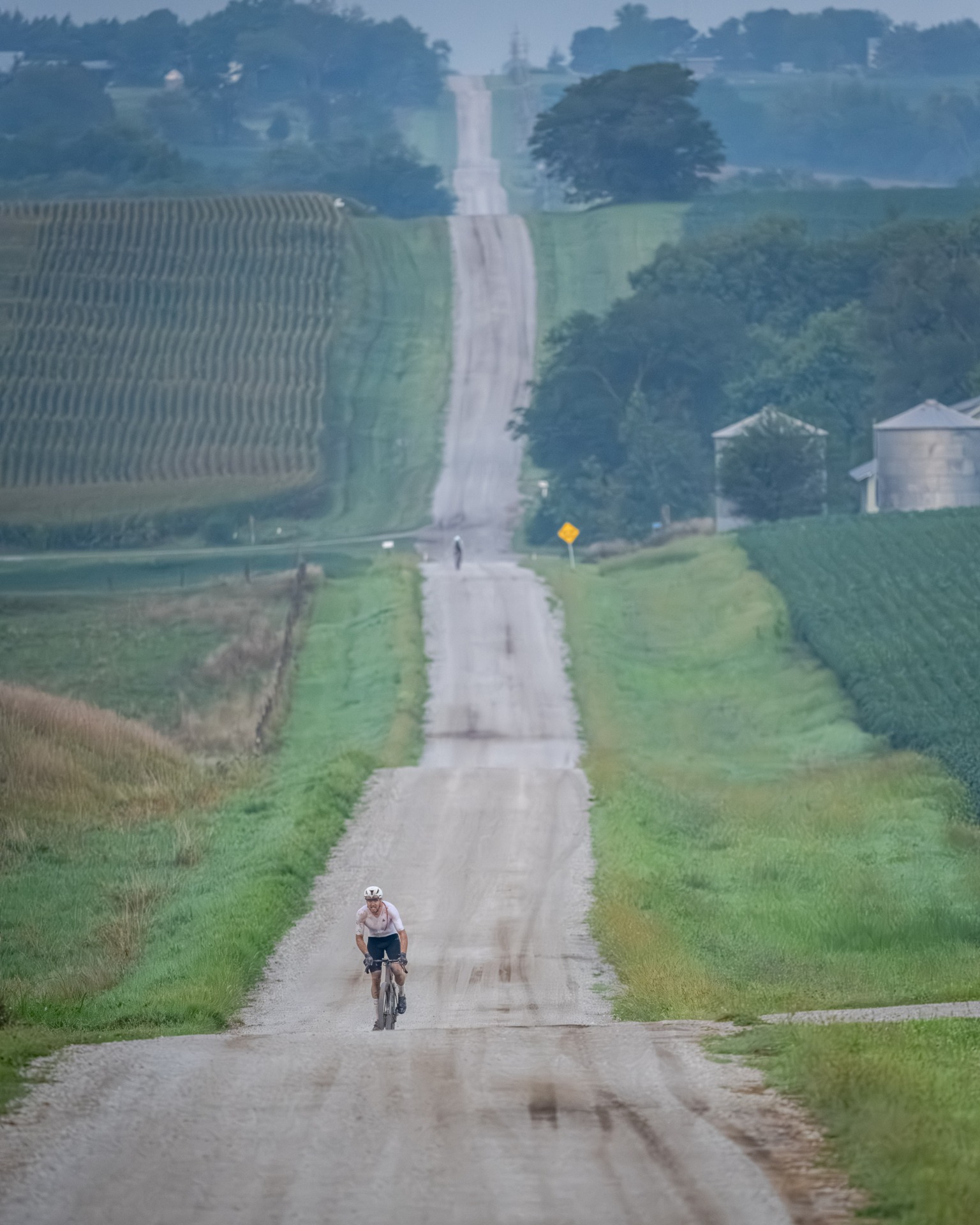
As gravel riding has evolved from grassroots gatherings into a mainstream cycling discipline, events have become more than just races—they’ve become celebrations of the sport’s culture. Few embody that spirit better than Gravel Worlds in Lincoln, Nebraska. What began in 2008 as the Good Life Gravel Adventure—a small gathering of friends riding the area’s rural roads—has grown into one of the sport’s marquee events, drawing roughly 2,500 to 3,000 participants each August. “It started out as just a group of friends riding the roads we had here or meeting at different places around the country,” explains Jason Strohbehn, chief experience officer and lead promoter. “Every year it would grow, with more and more friends that came, and it eventually became a global recognized cycling event.”
The inaugural Gravel Worlds was held in 2010 with roughly 100 riders who rode approximately 150 miles on an unmarked course. Since then, Gravel Worlds has grown into one of the sport’s premier gatherings. The annual event offers something for nearly every ability level, from a 10-mile fun ride and a 35-mile course to its signature 150-mile race and an epic 300-mile journey that crosses three states—and occasionally four. The weekend also includes running events, a gravel triathlon, and duathlon national championship that serves as a qualifier for the world championships, an expo and live entertainment. But what truly sets the event apart is its emphasis on community over competition. “We like to say it’s community first. We care about the smiles over the speed,” Gibson says. That philosophy comes to life at the finish line, where organizers throw one of cycling’s biggest celebrations not just for the winners, but for the final rider to cross after spending more than 14 hours on the course. Complete with a live DJ, mechanical bull, photo booth, and dozens of bottles of champagne, the party reflects the welcoming atmosphere that has become synonymous with gravel riding. “Unlike many events where you finish, get your medal, and go home, at our events you get your medal and hang out and meet new friends,” Strohbehn says. “That’s what makes these events different. You can hang out with people you normally never would be able to.”
That sense of community has remained a constant even as the sport has exploded in popularity. While gravel riding has long attracted recreational cyclists looking for adventure, the competitive side has exploded in recent years as professional fields have grown and more marquee events have emerged across the country. “The pro side has really grown in the last five years,” Sofia says. “It’s unrecognizable compared to what it was in 2021.” At the same time, she says, the sport has retained the welcoming atmosphere that drew riders to it in the first place. “Everybody gets that gravel bug,” Gibson says. “You sign up for one event, and then you want to try the roads in different states and keep coming back for more.”
Destination gravel
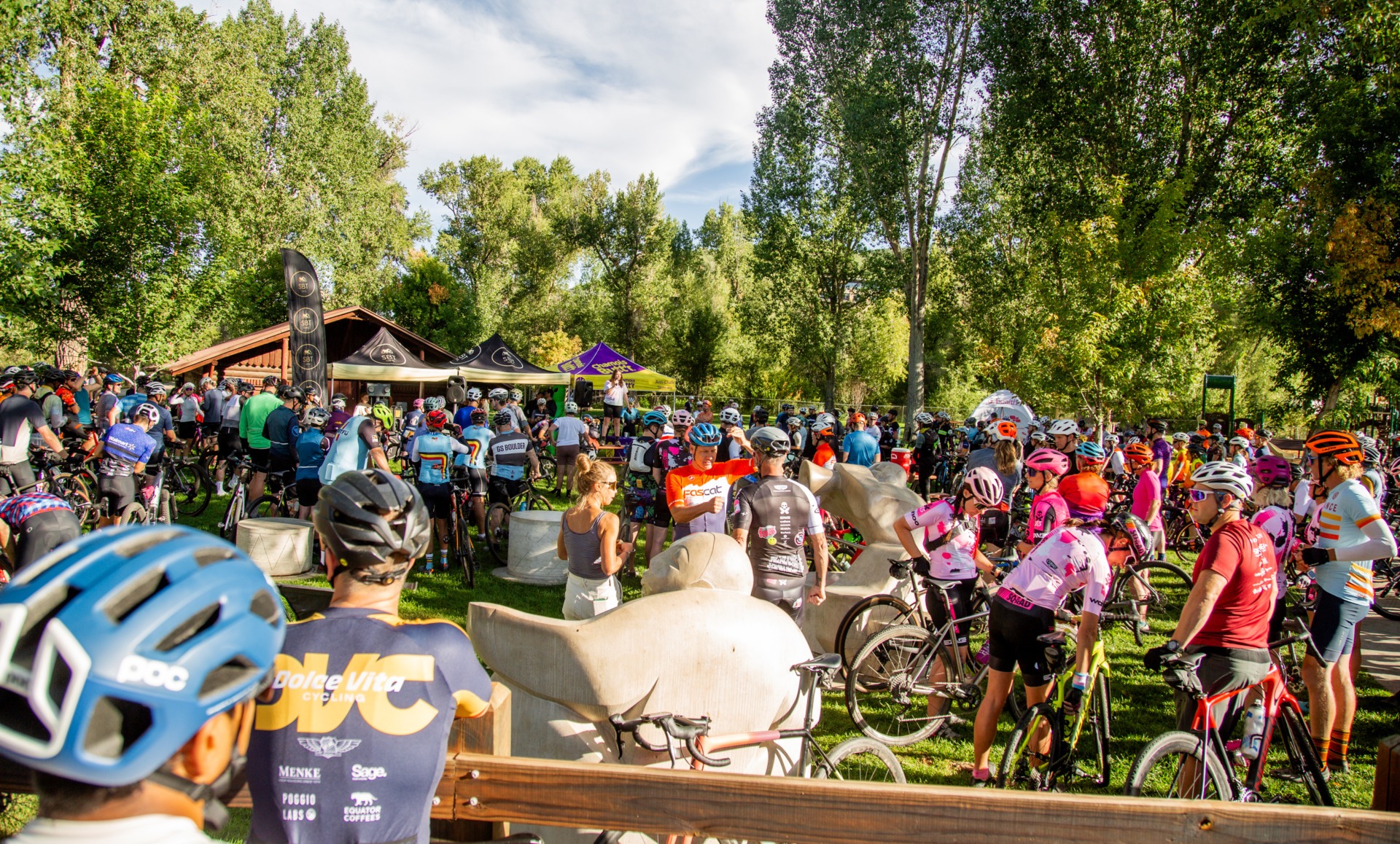
While Nebraska helped establish gravel riding’s grassroots culture, Colorado has become home to one of the sport’s premier destination events. Set against the backdrop of Steamboat Springs, SBT GRVL has grown into one of the country’s most sought-after gravel rides, attracting riders from across the United States and around the world.
For co-founder and owner Amy Charity, a former professional road cyclist, the idea was a natural fit. After retiring from road racing, she discovered gravel riding and quickly realized her hometown offered everything needed to host a world-class event. “Steamboat is an incredibly unique location to host a gravel cycling event,” she says. “We have more than 600 miles of gravel roads, and we’re surrounded by a ranching community. At the same time, because we’re a popular ski destination, we have the hotels, transportation, restaurants and shopping to support visitors.”
That combination of scenic riding and established tourism infrastructure proved to be a winning formula. When registration opened for the inaugural SBT GRVL in 2018 ahead of the first event in 2019, the event’s 2,000 rider spots sold out in just six days. Today, demand exceeds capacity, with organizers using a lottery system to fill the event’s 2,750 available entries.
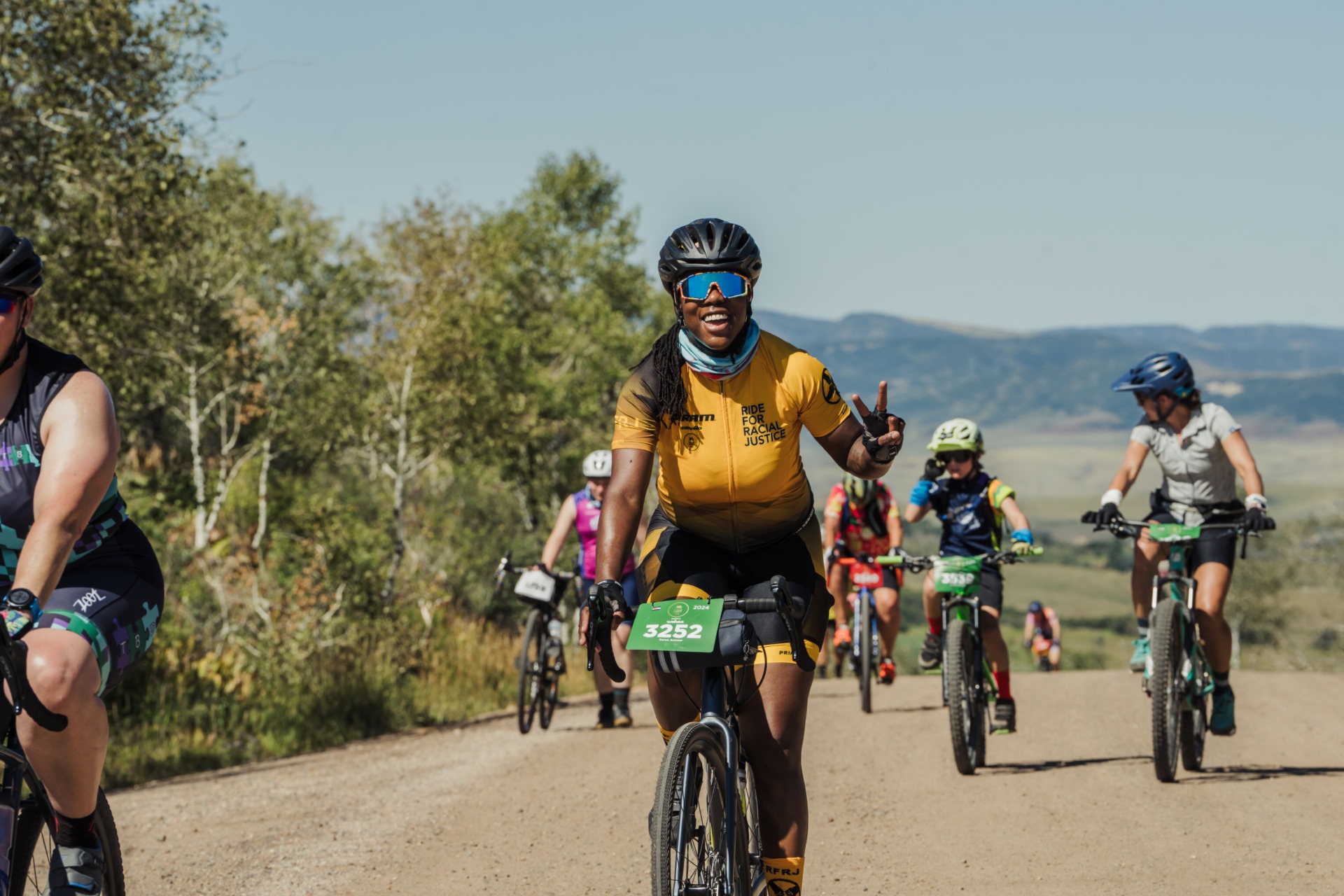
Like Gravel Worlds, SBT GRVL is designed to welcome riders of all experience levels. Participants can choose from four routes ranging from 25 to 108 miles, allowing everyone from first-time gravel riders to elite competitors to find the challenge that fits them best. “Gravel cycling really disrupted the whole cycling culture in a very positive way,” Charity says. “It’s much more inviting. You just show up with a bike. We have seven-year-olds and 82-year-olds riding our event. There really is something for everyone.”
The event has evolved into far more than a single day of racing. Throughout the weekend, Steamboat Springs hosts an outdoor expo featuring approximately 80 vendors, yoga sessions, rider panels, live entertainment, and community activities, while Friday night’s costumed uphill climb and concert help set a festive tone before race day. “We want everyone to remember it’s supposed to be fun,” Charity says. “We want people to connect before race day.”
Building a successful event
As gravel riding continues to expand, more destinations are discovering they don’t need towering mountains or world-famous cycling routes to host a successful event. In many cases, all it takes is a network of gravel roads, community support, and an experience that welcomes riders of every ability.
For organizers, that starts long before the first cyclist rolls to the starting line. Because many gravel events wind through remote farmland and ranching communities, building relationships with local residents is essential. “Community engagement is really important,” says Charity. “Our race goes through working ranches, so we’ve had a lot of collaboration to ensure the ranching community is aware and comfortable with all the bikes coming through an area that’s normally very quiet. As you get out into rural communities, make sure you have strong engagement and communication so everyone knows what to expect.”
Those partnerships can also help smaller communities see the opportunity gravel events present. Unlike traditional road races, which often require extensive road closures and traffic management, gravel events typically utilize low-traffic roads outside city limits, making them easier to stage while still delivering a meaningful economic impact. “If you look at some of the most successful gravel races, they’re in relatively small communities,” says Strohbehn. “The largest gravel race in the world is in Emporia, Kansas. Gravel cycling has made these small towns places people want to travel to because it’s much easier to put on an event. We only use about 200 yards of city streets. It’s still a lot of work, but it’s very doable.”
Broad appeal
Designing an event that appeals to a broad audience is equally important. One of gravel cycling’s greatest strengths is its accessibility, and successful events embrace that by offering multiple route options that allow riders to participate at their own comfort level. “There’s a huge range of abilities and interests in how far people want to ride,” Charity says. “Having different distances has been great for us because you can bring a family and have everyone doing something that works for them.”
Convenience also plays a significant role in the overall participant experience. Rather than requiring riders to shuttle between start and finish locations, Charity recommends creating a central event hub where participants can walk or ride to everything they need. “Our riders love that we’re a hub,” she says. “The ride starts and finishes in downtown Steamboat, and you can get to the start and finish without getting in a car. That
simplicity makes the experience so much better.”
Ultimately, organizers agree that the biggest draw isn’t necessarily the miles riders cover, but the welcoming atmosphere they encounter along the way. Whether participants arrive on a high-end race bike or their first gravel bike, the goal is to create an environment where everyone feels comfortable joining the ride. When riders leave already planning their next gravel adventure, organizers know they’ve created more than a race—they’ve built a community.