From bucking broncos to barrel racing, rodeo may look like a freewheeling spectacle from the stands, but behind every successful amateur event is a carefully coordinated operation that blends old-school know-how with modern planning tools. From recruiting contestants and preparing livestock to managing schedules and ensuring safety, organizing a rodeo requires months of preparation and a strong team working in sync.
“To make a successful rodeo, it starts long before the day of,” says Jessi Proctor, vice president of the Eastern Professional Rodeo Association, which hosts events across states such as Virginia and North Carolina. “You have to advertise—not only to spectators, but you have to advertise to your contestants so that they enter.”
Since rodeo competitors choose where they compete, outreach is critical. That means promoting events through social media, signage, community connections and most importantly, word of mouth. Organizers also prioritize building a reliable schedule. “We try to have our schedule planned out months in advance,” Proctor says.
For newer groups, that preparation can take even longer. For instance, David Otten, president of the Bluegrass Youth Rodeo Association in Richmond, Kentucky, notes his organization spent a long time planning before launching its first season in 2025. “We worked for a year on this before we ever had our first rodeo,” he says.
Understanding the core horse events
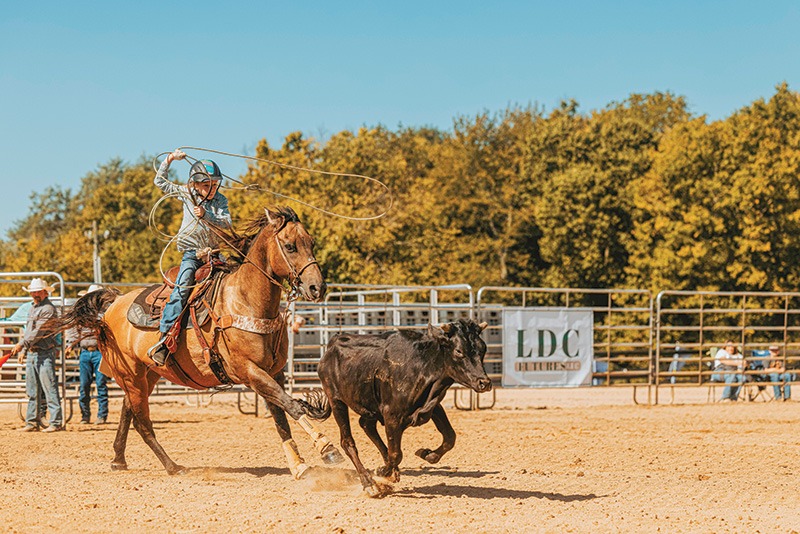
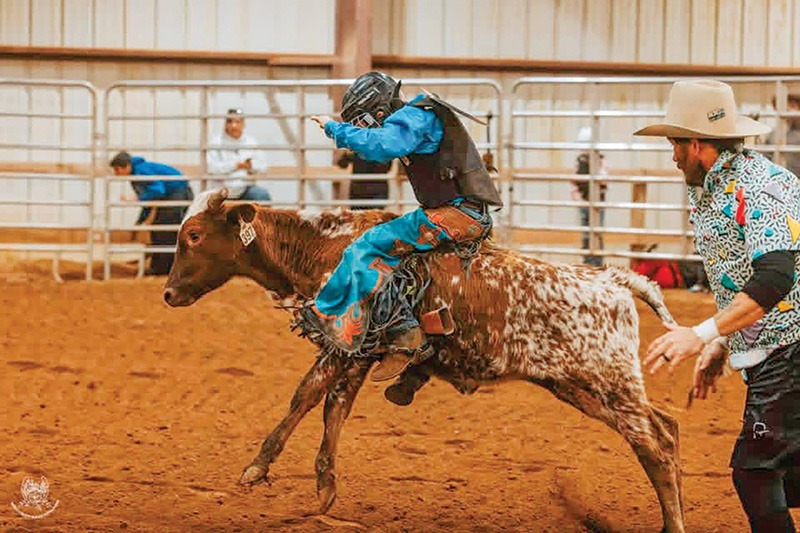
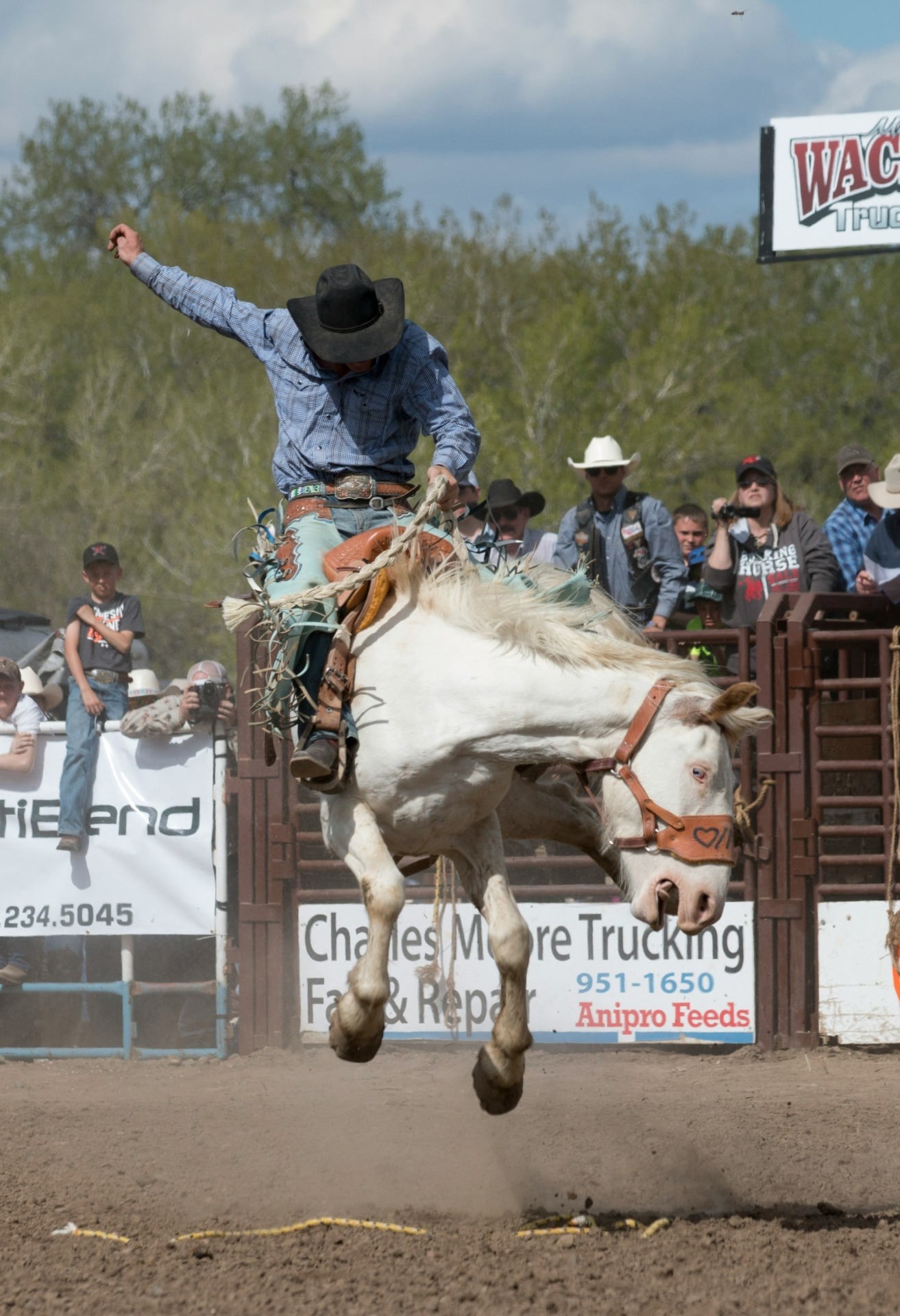
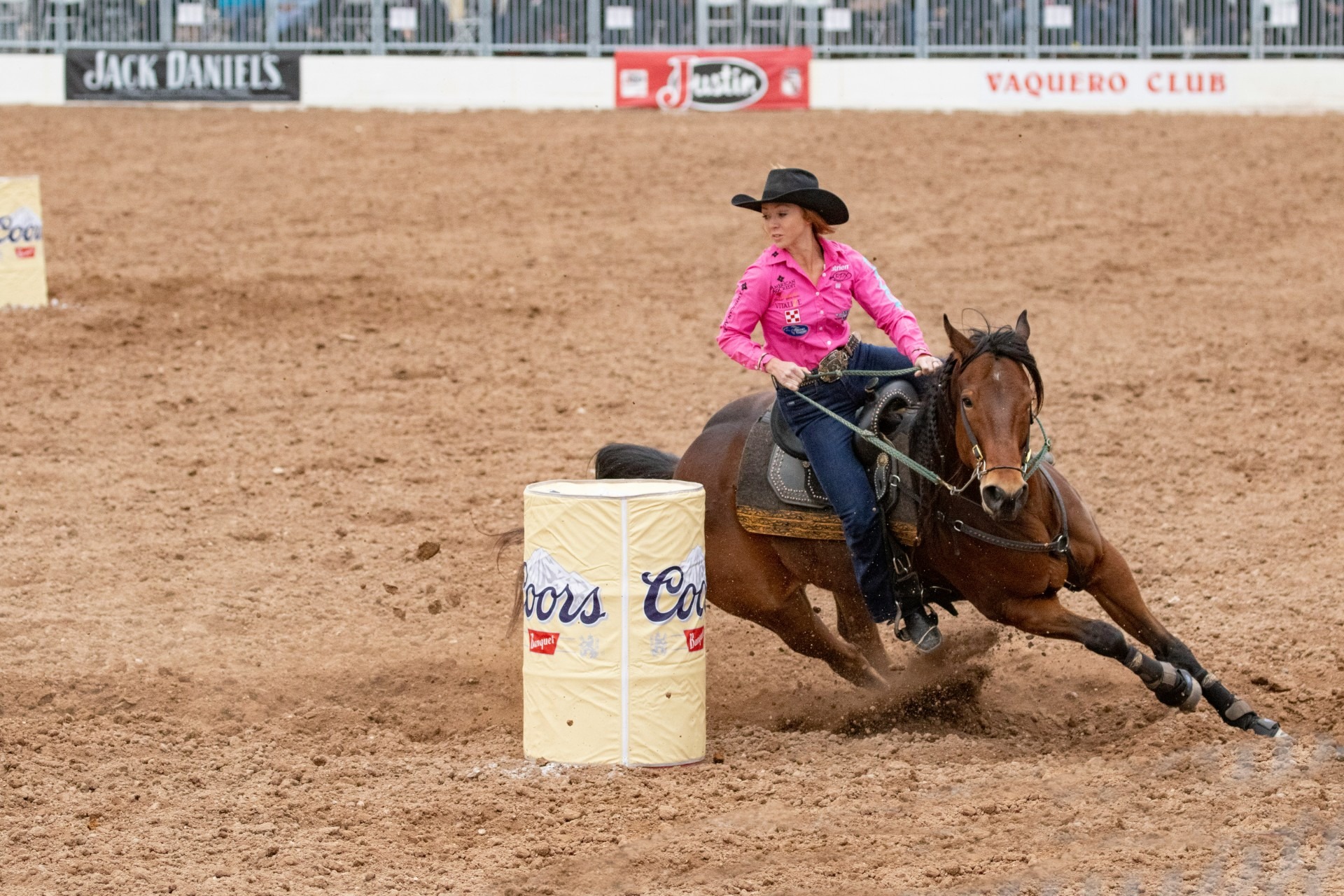
Horse events are typically divided into roughstock and timed competitions. Roughstock events such as saddle bronc and bareback riding involve staying mounted on a bucking horse for eight seconds. Timed events, including barrel racing and roping, focus on speed, accuracy, and coordination between rider and horse.
Each type requires different planning considerations. Roughstock events depend on stock contractors, who supply the horses and ensure enough animals are available for competitors.
“If you have 10 saddle bronc riders entered, then you need to bring 10 head of horses,” Proctor says.
Timed events rely on competitors bringing their own horses, shifting the organizer’s focus to arena conditions and fairness across runs.
Assembling the right team
No rodeo runs without having a trusted set of people behind the scenes. Organizers must coordinate announcers, judges, arena directors, and a large number of volunteers.
“The biggest thing is having a schedule and sticking to it,” says Chance Gregory, past president of the Heartland Youth Rodeo Association in Kingman, Kansas. “Then, having volunteers and making sure you have enough people for each of the events.”
Volunteers, he notes, often handle essential roles, from setting barrels and poles to running gates and assisting with livestock. However, finding enough help can be a challenge. “That’s been one of the hardest things, making sure we have enough volunteers,” Gregory says. Otten highlights that success is built by strategically placing the right people in key roles. “You’ve got to get the right group of people with the same passion,” he says.
Managing arena flow
Once the rodeo begins, keeping events running smoothly is a constant challenge. Organizers must coordinate transitions between events while maintaining audience engagement. “There’s always something moving in the background,” Proctor says.
While one event is underway, crews are preparing the next, loading livestock, resetting equipment, or grooming the arena surface. Entertainers, often called rodeo clowns or funny men, help fill downtime and keep spectators engaged. “You have about two hours before you start losing people’s attention,” Proctor says.
From a broader operational perspective, congestion is one of the biggest challenges modern rodeos face. “Bottlenecks are a common pain point at rodeos,” says Nausheen Punjani, co-founder and COO of Eventeny, a U.S.-based event management platform used by festivals, fairs and approximately 60 rodeos nationwide. “That might be a high-profile event where the ratio of attendees to staff gets out of hand. The fix is to anticipate high-traffic areas and overstaff them on purpose.”
Prioritizing safety
Safety is a top priority in amateur rodeo, particularly when working with youth competitors and valuable horses. “These animals are worth so much money, and we spend so much on them,” Proctor says. “They get the best feed, the best vet care, everything.”
In youth rodeos, safety often starts with attire. Gregory notes competitors must wear proper Western gear, including boots and long sleeves, to reduce risk.
Officials also monitor conditions in real time, stepping in when a situation becomes unsafe.
On the operational side, Otten says basic precautions make a difference. “Don’t let spectators in with the horses,” he says. “Keep everything separated.” Arena footing is another critical factor, especially for timed events like barrel racing, where consistency is key to preventing injuries.
Handling money
Rodeo may be rooted in tradition, but it is also a business that requires careful financial planning.
“It’s easy to put on a rodeo, but it’s hard to budget it,” Gregory says. Expenses include arena rental, insurance, livestock, equipment, and awards, often requiring organizers to plan months ahead without guaranteed revenue. Sponsorship is crucial for the viability of events, which is why organizers focus heavily on it. “Getting those sponsors, that’s a big thing,” Proctor says. “That money goes toward our award money for contestants.” For newer organizations, securing funding can be a major hurdle. Otten notes his group initially struggled to gain support and find a venue but saw rapid growth once participation increased.
Talking tech
While many aspects of rodeo continue to have a strong link to the past, technology is beginning to play a larger role in operations.
Eventeny is an all-in-one event management platform that helps organizers handle ticketing, applications, scheduling, and communication in a centralized system. The platform is
used by events across the country, including dozens of rodeos, to streamline operations that were once handled manually.
“Almost every event has ticketing software, but there’s more they can do,” Punjani says. “A single rodeo might have 15 different applications open for competitors, vendors, and performers, so having a clear system for managing those is critical.”
Eventeny also helps manage complex schedules across multiple events happening at the same time. “Schedule tracks let organizers differentiate between activities happening concurrently,” Punjani says. “That’s especially useful when you have timed horse events and roughstock events running at the same time.” For spectators, technology enhances the experience as well.
“Having the event live in the palm of your hand matters,” Punjani says. “Access to schedules, maps, and updates helps attendees plan their day.”
Avoiding common mistakes
Even well-intentioned organizers can run into problems if they overlook key details. One common mistake is failing to prioritize contestants. Poor arena conditions or disorganization can discourage participation, particularly when high-value horses are involved.
Another mistake is inadequate promotion. “If you don’t advertise, people don’t know you’re coming,” Proctor says. Technology can also become a stumbling block if systems
are not integrated.
“If everything lives in different places, it becomes inefficient,” Punjani says. “That kind of setup limits growth because organizers spend too much time managing the details instead of improving the event.”
Maintaining focus
For many organizers, especially those working with youth, rodeo is about more than competition.
“It teaches them how to lose,” Gregory says. “And how to carry themselves with integrity.” Otten believes that the focus of rodeo should remain on participants and their development. “Keep it about the kids,” he says. “If you do it for the right reasons, it will work.”
In the end, organizing an amateur rodeo is a balancing act. It requires honoring the traditions of the sport while adapting to modern expectations around safety, efficiency, and spectator experience. From assembling the right team to leveraging technology and maintaining high standards for animal care, successful events are built on preparation and passion.