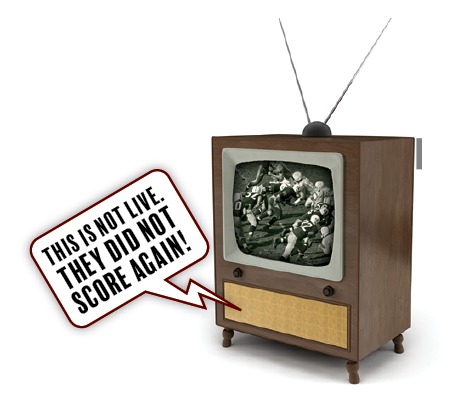
On December 7, 1963, a 29-year-old CBS television director named Tony Verna headed to the Army-Navy football game with a bold plan to introduce American TV viewers to something they had never seen before: the instant replay.
Football can be difficult to cover. The field is large, the action happens quickly, and multiple things can be happening at once. Verna believed replaying key moments would help viewers better understand what they had just seen. The idea was simple, but making it happen was not.
Videotape was still relatively new, although Verna had gained experience working with it while covering the Rome Olympics three years earlier. To create his replay system, he needed a dedicated camera and two refrigerator-sized videotape machines weighing about 1,200 pounds, housed in a separate truck.
Verna also needed a way to anticipate the action he wanted to capture. His solution was a series of beeps: one when the teams broke the huddle and another two when the ball was snapped.
Even then, it wasn’t easy. It reportedly took about 30 attempts before Verna’s crew got a replay that worked. One problem was the videotape, which had previously recorded episodes of I Love Lucy. At times, Lucille Ball’s face was superimposed over the football field.
Eventually, they captured Army quarterback Rollie Stichweh punching in a touchdown in the fourth quarter. When the play was shown again a few seconds later, however, CBS worried viewers would think Army had
scored twice.
“This is not live,” the announcer explained. “Ladies and gentlemen, Army did not score again!”
More than 60 years later, the idea that viewers might not understand a replay seems absurd. Instant replay is now such a familiar part of sports that fans can watch a play repeatedly, from multiple angles and in slow motion, often before the next snap or serve.
And replay has changed more than the viewing experience. Video technology now helps officials review critical calls in sports ranging from football and baseball to tennis and soccer.
From two massive videotape machines and one replayed touchdown came a technology that changed not only how we watch sports, but increasingly, how the games themselves are decided.