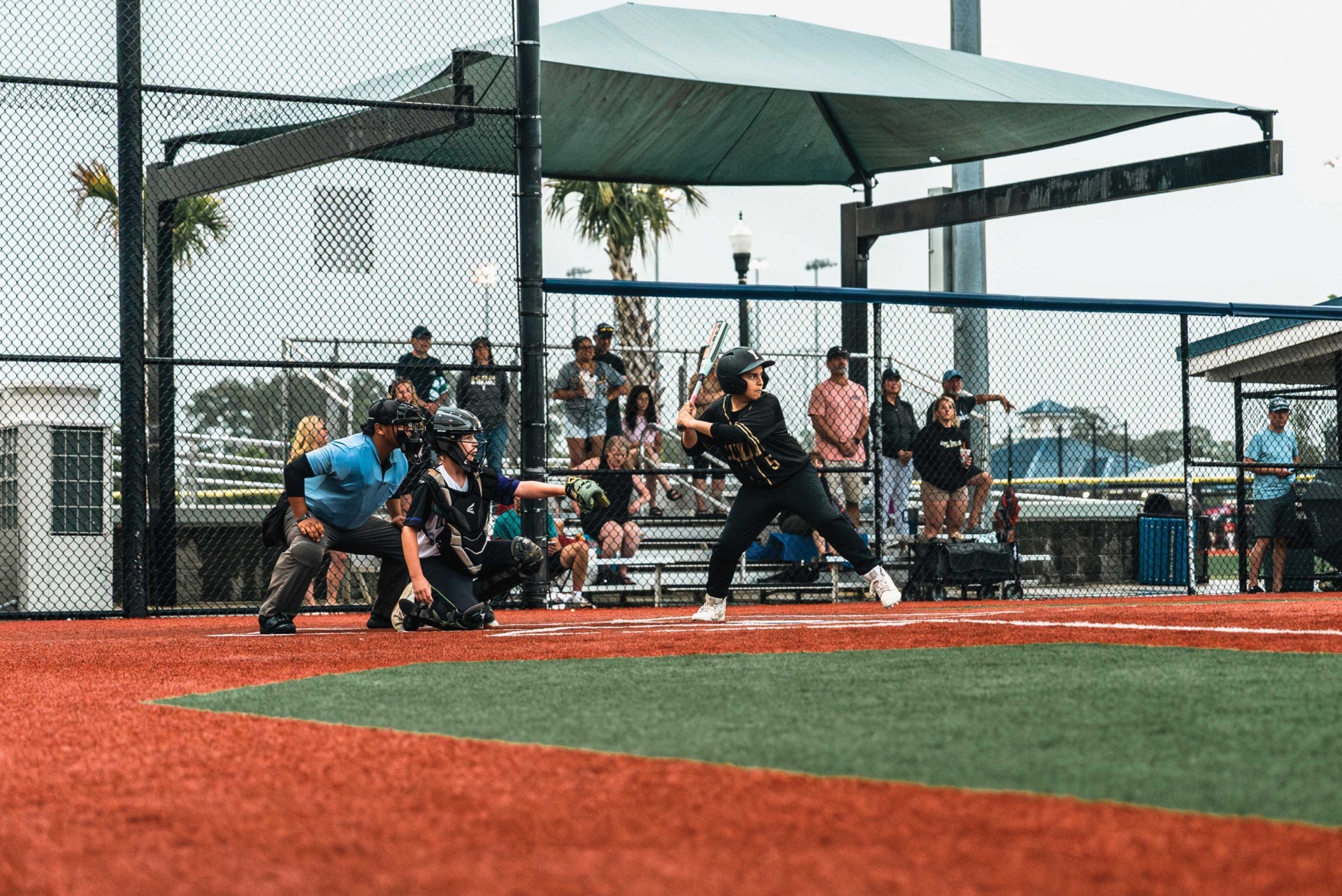
While a travel baseball game may last less than two hours, the family experience surrounding it can often consume an entire day, weekend, or longer. For any given tournament, parents arrive with chairs, tents, coolers, wagons, and younger siblings. They pay for lodging and meals, watch the weather, and wait for schedule changes. And while a tournament may deliver safe fields and competitive games, it could still fall short if families spend the weekend searching for shade, a clean restroom, or an affordable meal.
That makes the off-field experience more than a hospitality bonus; it is part of the event product, and much of it is within a host’s control. From basic venue comforts and timely communication to destination partnerships, the strongest events make the entire weekend easier for families.
Lisa Fennessy, a veteran travel-baseball parent and founder of the lifestyle website The New Knew, has spent more than seven years traveling to tournaments with her family.
“Depending on your seeding, you can be at a park from 6 a.m. to 10 p.m.,” Fennessy says. “Sitting in direct sun that long is just too much. We all end up bringing our own pop-up tents, but it would make a huge difference if facilities had built-in shade structures with fans, and honestly, misters would be a nice touch, too.”
Knowing how important the whole family’s experience is to a tournament’s success, we spoke with expert planners and destination representatives to gather this proven advice.
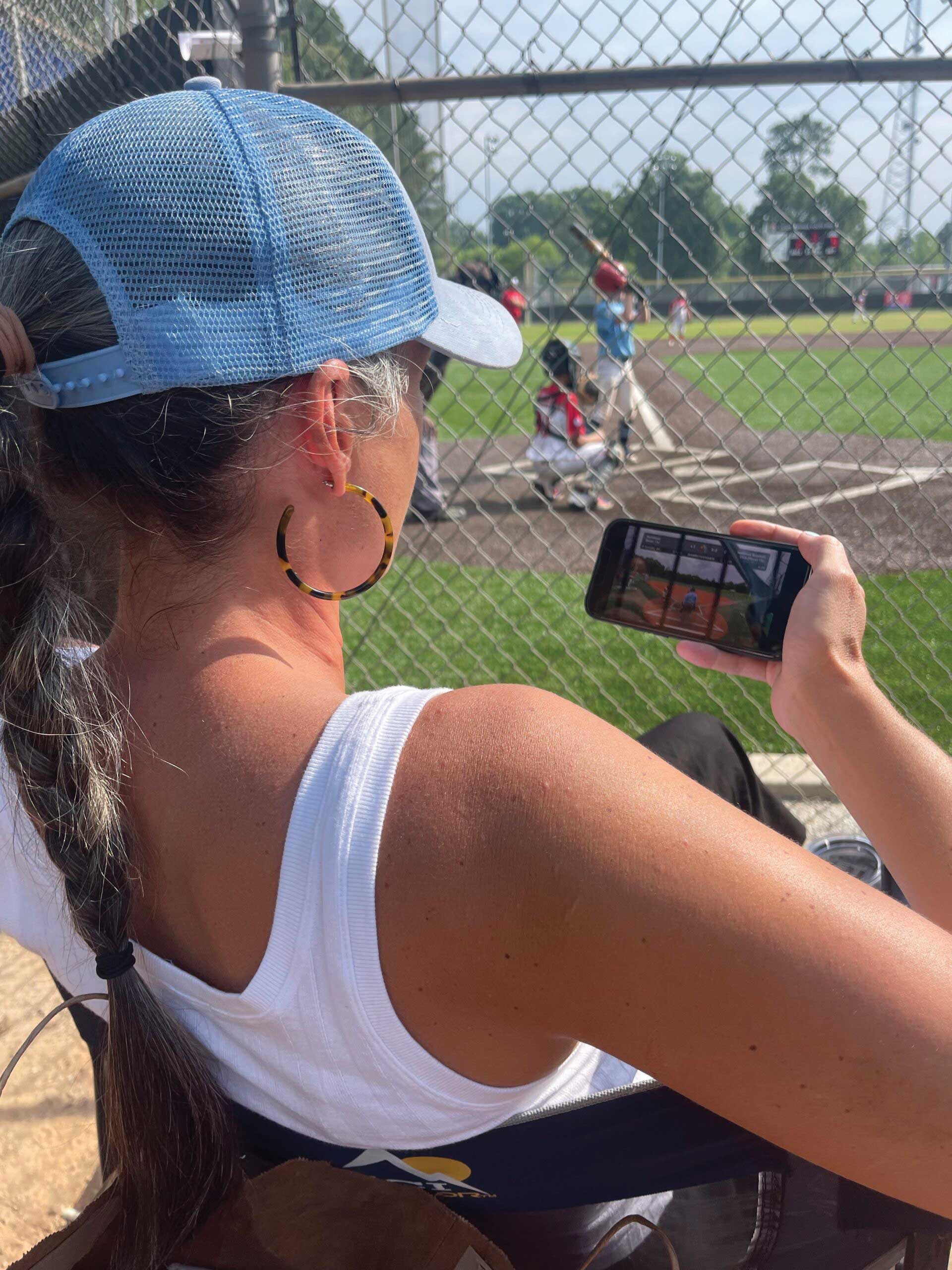
Treat families as customers
While the athlete may be the participant, the family is usually the customer. Mark Cooke, owner and president of Cumberland, Rhode Island-based Firecracker Sports, has watched that customer base grow substantially. The company began with six teams at one tournament in 2008. In 2026, it served close to 2,000 teams at more than 100 East Coast events.
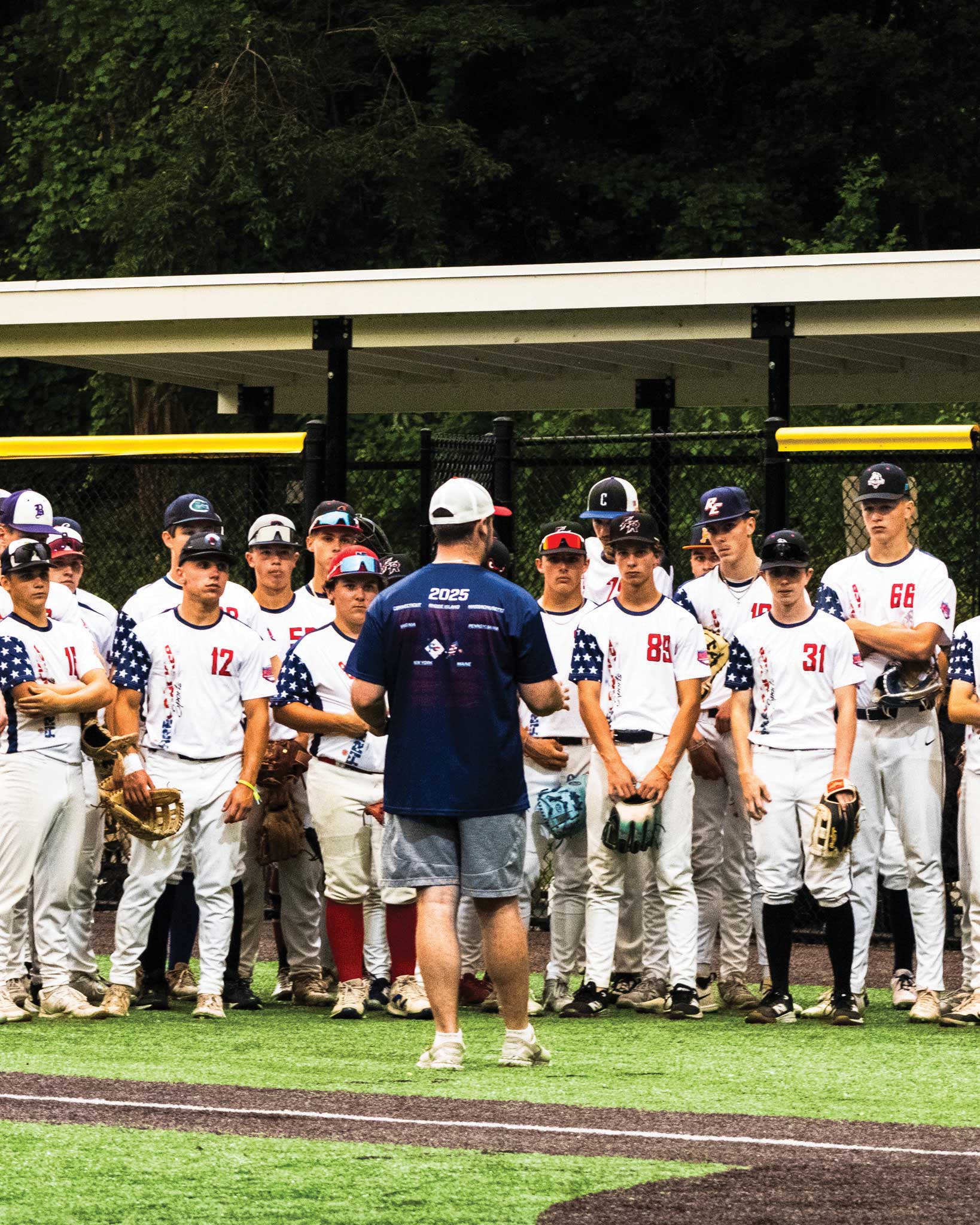
He has found that repeat business depends less on spectacle than on organization and personal service. “If a customer comes and feels like they are the most important person at that field that day, I think that’s really important,” Cooke says. “Providing an avenue to allow somebody to give that feedback is not only beneficial to us, but it’s also impactful to them.” To that end, Firecracker assigns a site supervisor or game-day operator at every venue to manage games and answer questions, providing families with a visible point of contact.
Value matters, too. Firecracker does not charge spectator gate fees, and parents at one of its recent events in Fairfax, Va., were especially vocal after experiencing a different model at the same complex.
“The weekend prior, a different event organizer was charging gate fees, $25 a day or $35 for the weekend,” Cooke says. “They’re getting charged to see their own kids play, and what happens is the parents don’t even come in. They were happy at the way we did things, so they could come and watch.”
Families also notice when an organizer respects their lives away from the field. For instance, Jeanine Bobenmoyer, founder and CEO of parenting and lifestyle media brand theCityMoms and a sports mom herself, notes that tournament dates can influence loyalty before a team even arrives.
“Tournament directors who avoid scheduling championship weekends over Mother’s Day and other major family holidays earn serious loyalty,” Bobenmoyer says. “Our audience noted they remember who scheduled around family time and who didn’t, and it genuinely factors into whether they consider coming back the following year.”
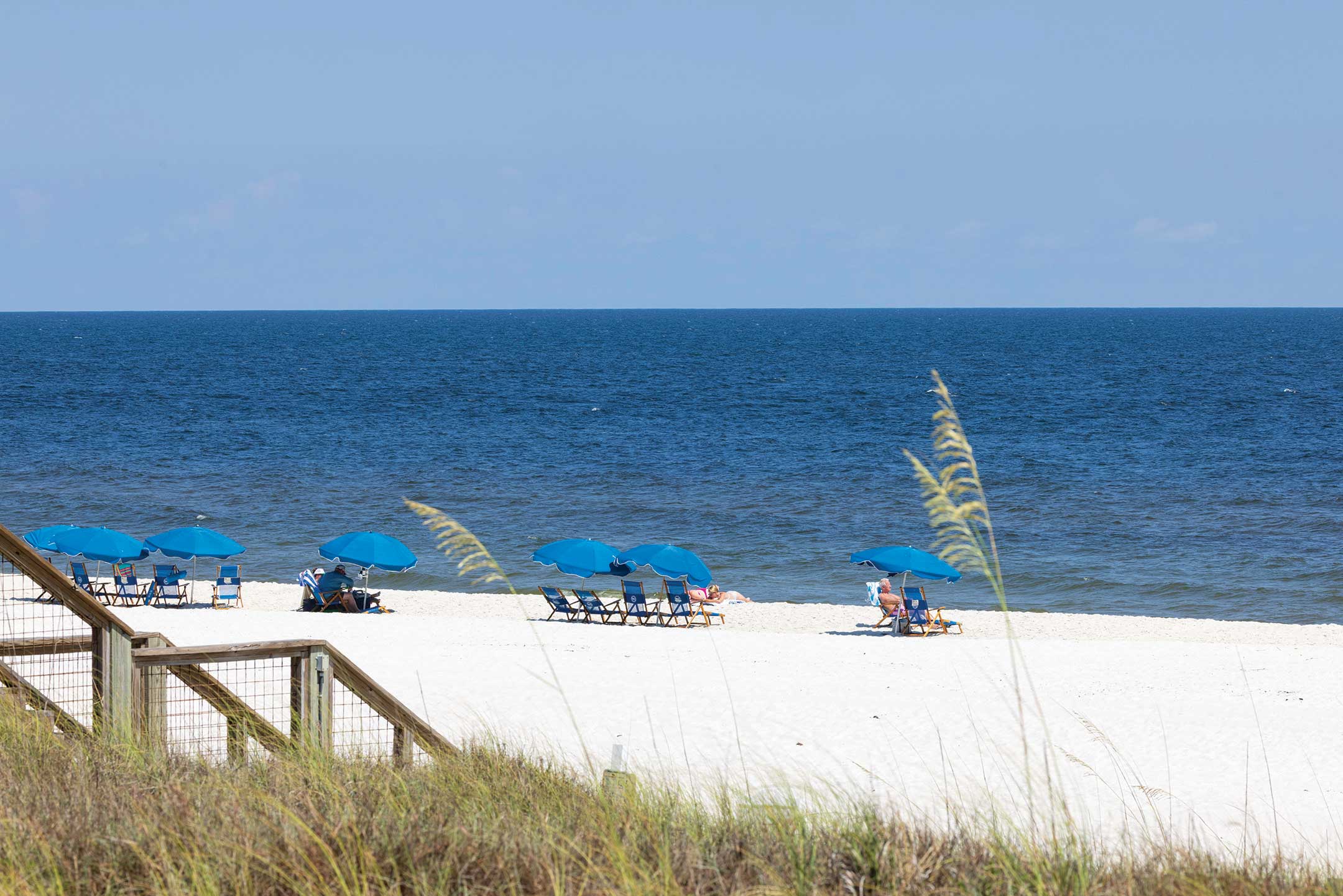
Get the fundamentals right
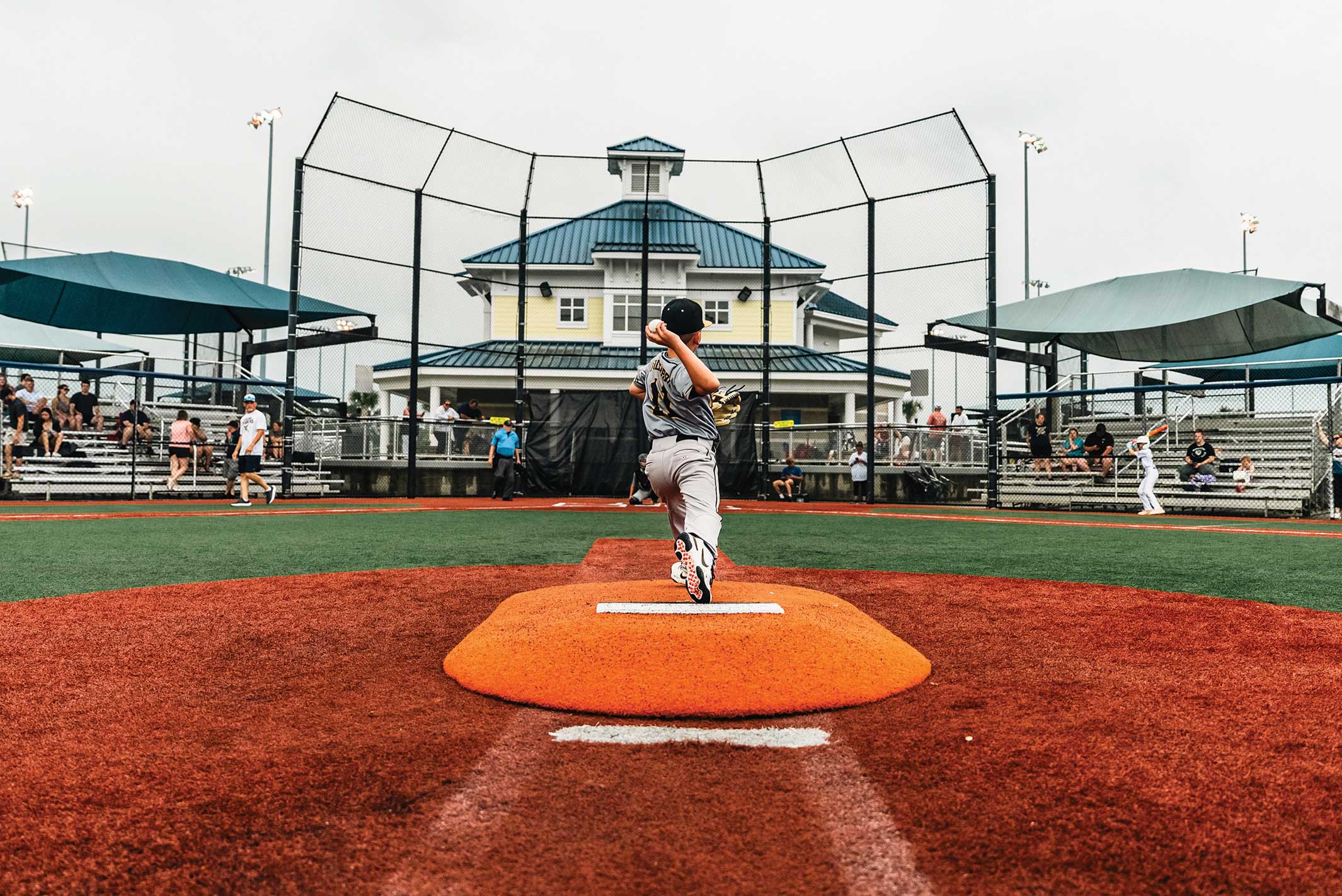
The most valuable amenities are not necessarily elaborate. Parents repeatedly point to safe fields, accessible parking, clean restrooms, shade, seating, hydration, and food that can sustain a family through a long day.
Of course, those needs differ by event model. Cooke’s company often uses college, high school, and municipal fields rather than concentrating all divisions at a large complex. Parking and seating complaints are rare at those sites, he says, while bathrooms and safe, playable fields are nonnegotiable.
Parents experience the cumulative effect of multiple games and days, so shade can determine whether they remain near the field or retreat to their cars. Meanwhile, giving people some choices about what they can eat on-site is also important and often within planners’ control.
“Food that isn’t just concession-stand hot dogs matters more than people think,” Bobenmoyer says. “A food truck or two with real options keeps everyone fed and in a better mood for a 12-hour day at the fields, especially with siblings in tow who didn’t sign up for the tournament.”
Warm-up space is another easily overlooked pressure point. Fennessy’s teams routinely bring pop-up batting nets because cages are scarce. Without them, one parent or coach may arrive 90 minutes early simply to hold a cage for the team.
Naturally, the weather magnifies every other inconvenience. “We’ve spent thousands of dollars and dedicated entire weeks to tournaments in places like Orange Beach, Alabama, and Destin, Florida, only to get rained out and end up with a condensed tournament,” Fennessy says. “I remember one week when our team played a total of four hours of baseball the whole trip, and we’re far from alone.”
Organizers cannot control the rain, of course, but they can evaluate drainage, turf, lights, backup fields, and schedule flexibility, then explain contingencies before families book travel.
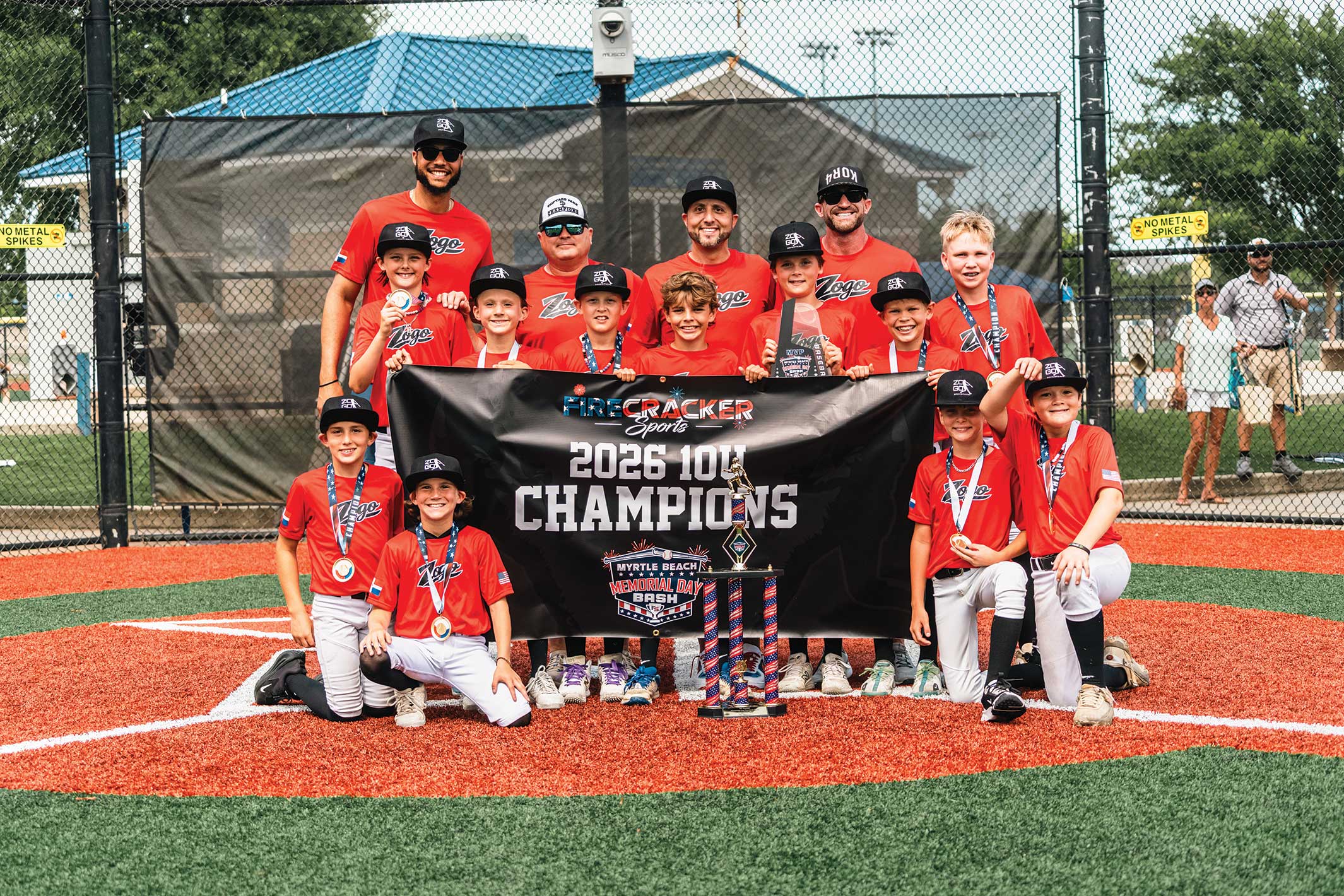
Communication matters
A schedule is also a travel document that families use to arrange hotel nights, meals, work obligations, and activities for siblings. Releasing it at the last moment shifts uncertainty and cost onto the customer.
For that reason, Firecracker aims to publish spring and summer schedules at least three weeks ahead, with fall schedules generally arriving about a week before an event. Cooke says many operators release schedules only four or five days ahead.
Its event-management system sends emails and texts, while a mobile app delivers event-specific push notifications. Staff issue changes as soon as they affect a division.
“Sometimes it can be a challenge making sure the roster is completely updated to receive those notifications,” Cooke says. “But we never really hear a complaint because of communication with us.” Digital tools still need a low-tech backup. Cell service can deteriorate precisely when hundreds of families gather at a sprawling complex.
“Clear, printed, not just app-based, daily schedules save everyone’s sanity,” Bobenmoyer says. “When a schedule changes, a physical board or handout with updated times means parents aren’t standing in a parking lot refreshing an app, trying to figure out if the game moved.”
Every update should say what changed, what families should do, and when the next decision will be made. Repeating it by text, email, app, and an on-site board reduces confusion, while a staffed help point closes the remaining gap.
Make the destination part of the solution
Clear communication should extend beyond game times and weather updates. For traveling families, the tournament experience includes every part of the trip, from where they stay and eat to how they spend an unexpected rain delay.
Families do not experience separate transactions with an organizer, facility, hotel, and destination. They experience one trip. Strong partners share information and remove handoffs, and that coordination should begin before registration opens. Hotel blocks, local discounts, and downtime options belong in the same communications that families already use for schedules. Information housed on a separate destination page that parents never see cannot make the trip easier.
Michelle Russ, STS, vice president of sales at Alabama’s Beaches Sports & Events, the sports tourism division of Gulf Shores & Orange Beach Tourism, says lodging feedback centers on value and convenience. Families seek properties near the fields with team room blocks, complimentary breakfast, kitchens, laundry, and enough space for athletes and relatives.
“When those needs are met, the overall tournament experience is less stressful and much more enjoyable for everyone involved,” Russ says. “Our role is to connect visitors with lodging, dining, and coastal experiences that make their stay easier, more enjoyable, and memorable long after the final game is played.”
Alabama’s Beaches works with rights holders from site visits through post-event reviews. Its support can include accommodation options, vendor referrals, marketing tools, and on-site activities. The destination also offers group dining and downtime ideas, while its digital Savings Scorecard provides discounts at participating restaurants and attractions.
Operators can build similar value at different scales. Firecracker has offered barbecue nights, discounted attraction tickets, and family receptions. Even a simple page listing dining, grocery, urgent care, and sibling activities can keep a delay from derailing the day.
Younger siblings deserve deliberate attention. Playgrounds, lawn games, or safe open areas give them somewhere to move. Hosts should also map accessible routes and places to cool down.
The details may seem small in isolation, but families experience them collectively over long, expensive, and often unpredictable tournament weekends. When hosts anticipate those needs, from shade and schedules to meals, lodging, and downtime, they reduce stress for parents and create a better environment for athletes, too.
None of those measures changes the score. Together, they change how the weekend feels and whether families are willing to do it again. “Repeat visits aren’t driven solely by what happens on the field,” Russ says. “Families are more likely to come back and stay longer when a tournament destination gives them meaningful ways to enjoy time together through great food, local attractions, and memorable experiences that turn a weekend of competition into a true family getaway.” For tournament hosts, creating a home run for the whole family means recognizing that the experience between innings can matter as much as the action on the field.
Before the first pitch
A checklist for organizers who want to plan family-friendly baseball tournaments.
- Publish game windows early, avoid major family holidays when possible and use text, email, app alerts, and an on-site backup for changes.
- Audit fields for playability, drainage, and weather contingencies; confirm warm-up space, lighting, and backup options.
- Walk the venue as a parent carrying gear:
check parking, signage, field circulation, accessible routes, and the location of help staff. - Provide clean restrooms, shade, seating, hydration, and meal options suitable for a full day.
- Offer lodging choices near the venue with clear rates, family-friendly amenities, and transparent event and spectator fees.
- Plan for siblings and downtime with safe play areas, group dining, local attractions, and rain-delay ideas.
- Assign an empowered representative to each venue, gather family feedback, and debrief with facility and destination partners after the event.