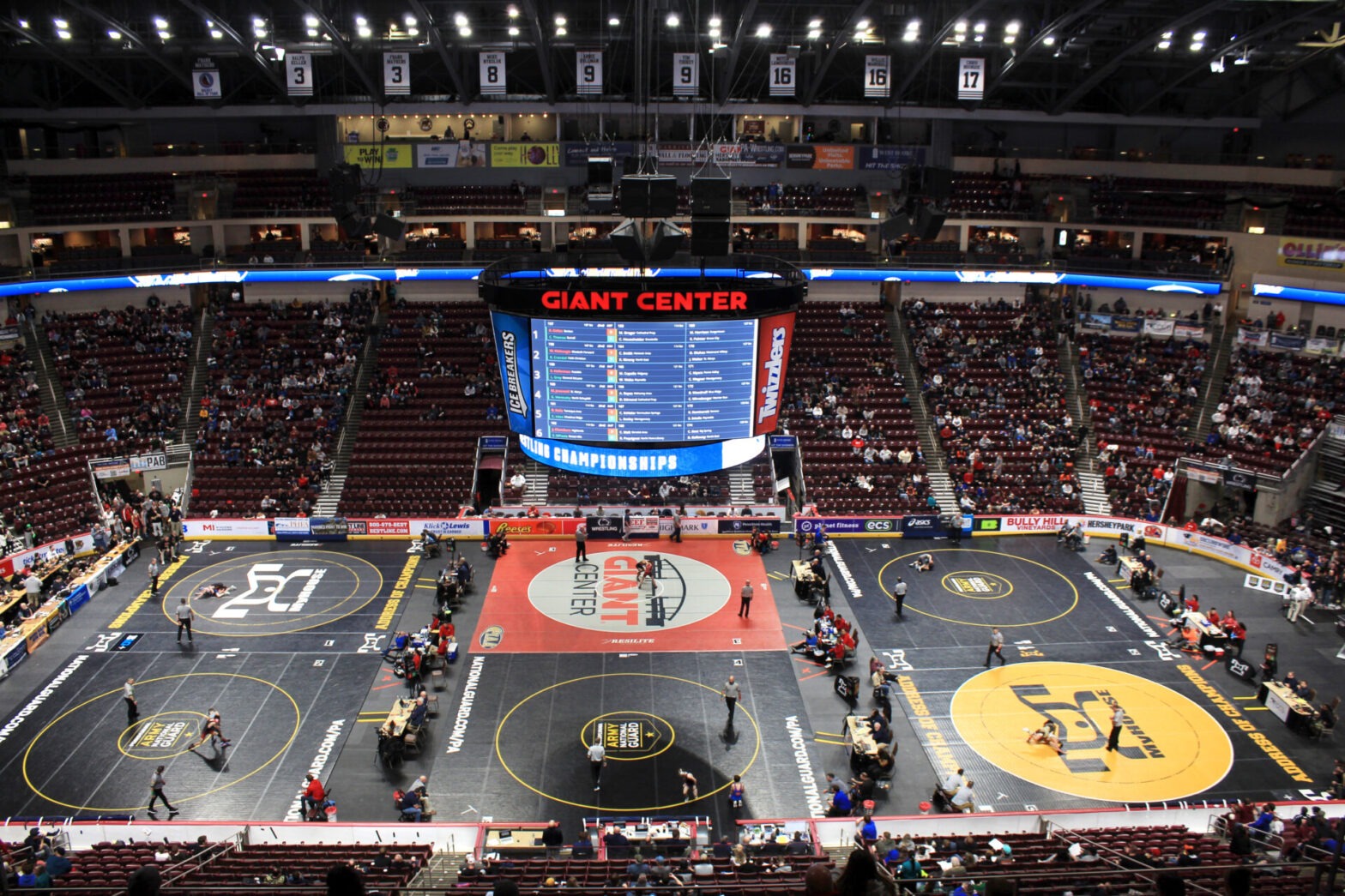
the Commonwealth Games in Birmingham, England. Courtesy Birmingham Commonwealth Games
There are two sides to every sporting event: the part the public sees, marked by fanfare, entertainment, and, of course, the game or competition itself. Then there’s everything that goes on behind the scenes, involving a team of logistics experts who spend months or even years before the big day, planning methodically to ensure every single item and individual involved is in the right place at the right time.
Their input ensures athletes are transported from their home location to the host venue in the most efficient and comfortable way possible; that their coaches, nutritionists and physiotherapists arrive alongside them ready for the warm-up process; that the accommodation they stay in meets all of their needs around comfort, space, and preparation; and that suitable and sustainable transport is on offer to get them to and from the venue—or even several venues in the case of a multisport event. And the gear and equipment vital to their success? That’s also been coordinated by a logistics team.
And just as fans see and respond to trends like the rise of new star athletes or the introduction of new sporting technology, evolution is constant when it comes to these backstage elements, too. This year has been no exception, with key trends like sustainability, new models and ways of organizing events, and the increased utilization of tech tools dominating the industry—and likely to remain at the top of the agenda as 2026’s events unfold.
Athletes’ accommodation
For decades, the U.S. men’s basketball team has opted not to stay in the traditional Athletes’ Village associated with the Olympic Summer Games. Every four years, the repeated decision draws immense media attention, with outlets such as Forbes, People magazine, and NBC scrutinizing the reasons behind it.
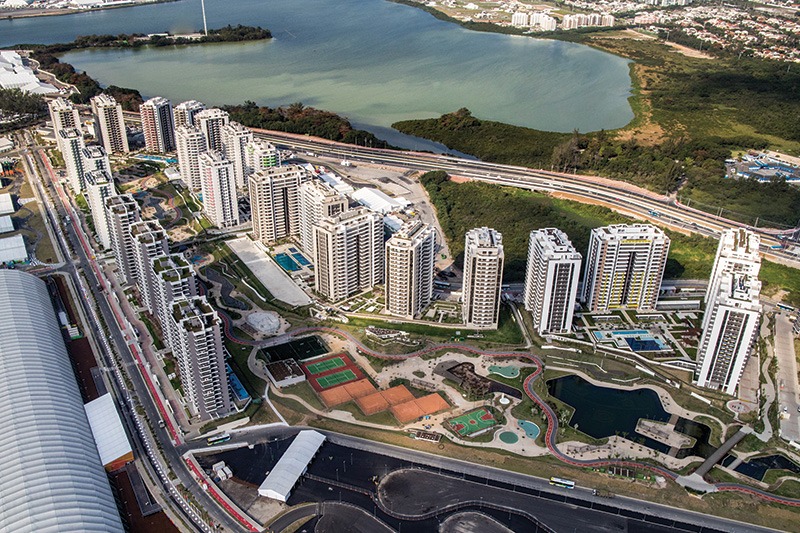
However, we are now seeing a definite shift away from purpose-built athlete accommodation across a range of global sporting events, meaning the Los Angeles Games in 2028 could well be among the last to feature a specially-constructed Olympic Village.
Instead, organizers are seeking to provide accommodations by using existing options, such as local hotels and university dorms, where feasible. Some key 2025 events adopted this approach, including the FISU Summer World University Games and the Summer World Masters Games, held in Germany and Taiwan, respectively.
As the sports and events industries both strive to become more sustainable—including the hundreds of global organizations that’ve signed up to the Net Zero Carbon Events pledge to achieve net zero in the sector by 2050—it makes sense to reduce the construction work associated with major occasions. While there are great examples of specially-built accommodation being reused afterwards, such as the Olympic Village in Atlanta, which has been used by students at Georgia State University and then Georgia Tech, there are also villages lying empty or underused in former host cities elsewhere in the world, like Rio, Athens, and Berlin.
That’s why logistics experts have increased their focus on new organizational models, aiming to source options that will not only eliminate any detrimental long-term impact on the area but also meet the exacting needs of competitors travelling from across the country or the world to participate.
Eco events
It’s not just accommodation options that have been heavily reviewed when it comes to improving the sustainability of large-scale events, far from it. Logistics experts have continued their efforts to seek the most sustainable options across all aspects for which they are responsible.
Transport is a natural first thought when considering the wider impact of events, with flights often required to ensure athletes and their entourage can attend. For example, each NBA team takes an estimated 300 flights per season, travelling between 40,000 and 50,000 miles in the air on average. While there are few alternative options when it comes to long-distance travel, logistics providers can take steps to ensure that, once in their destination region, teams and equipment make the final leg of their journey using public or eco-friendly options.
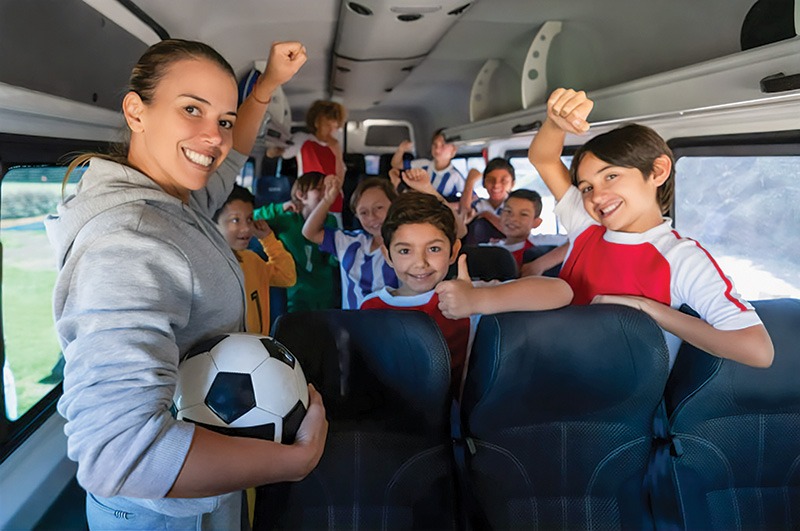
Alongside efforts to encourage fans to use public transport, equal efforts have been made to provide more sustainable methods of travel for the athletes themselves. For example, the NFL’s “Roll to the Bowl” campaign highlighted the league’s sustainability efforts for the Super Bowl, promoting eco-friendly travel to the game. It aimed to reduce the carbon footprint by encouraging active and public transportation, carpooling, and the use of electric vehicles. No doubt events in 2026 and beyond will take heed and incorporate similar projects into their organizational efforts.
It’s one of the core priorities for the organizers of the 2028 LA Olympics, who released their sustainability plan this summer. The document highlights a transit-first approach, prioritizing public transport and providing no spectator parking at most venues. Alongside this, they aim for 90 percent of the materials used in temporary structures to be reused or recycled, and to implement wildfire resilience and nature restoration programs that benefit the wider community.

Tech tools
Whether it’s sourcing accommodation that meets competitors’ needs, scheduling transport, or ensuring costs are kept reasonable while minimizing environmental impact, the significant rise in AI tools over the last 12 months has proved invaluable as an aid to logistics experts. Regardless of their knowledge and experience in the industry, the vast amounts of data that AI can evaluate within seconds save logistics teams hours of work.
Not only can these new, more sophisticated technologies ensure that all options are considered and evaluated against the core objectives (for example, scanning every hotel within a defined radius against criteria such as meeting space, specialized menus, and security precautions), but they are also being increasingly used as helpful predictive tools.
Having as much warning as possible before an extreme weather event, flight delays, or other potential complications can vastly assist teams in their planning. Gone are the days when a person would have to manually scroll through constantly updating information to assess and respond to anything that could affect the event. Now they can receive instant alerts wherever they are in the world, giving them vital time to help mitigate the impact and ensure minimal delays.
There are often thousands of (quite literally) moving parts when it comes to organizing a global sporting event, and everything, from the teams to the tiniest piece of vital equipment, needs to have its journey to and from the venue planned almost to the minute to avoid disaster. Not only do logistics experts have the expectations of every single athlete, coach, and spectator on their shoulders, but they also face wider pressures regarding the impact of events on communities, the host area, and the broader world.
Evolution has always been necessary to meet these expectations, and this has only increased in pace since the advent of the digital age. Now, they might have even more technological tools to help them in their role, but they also have even more eyes upon them, with mistakes being picked up on and beamed around the world within seconds.
As preparations continue for next year’s events, we’ll no doubt see this scrutiny continue alongside the increased public demand for sustainability across all sectors. Athlete accommodation, eco events, and tech tools will likely remain crucial focal points for the logistics experts responsible for thousands of athletes, millions of pieces of equipment, and billions of sports fans’ enjoyment. They might be largely hidden behind the scenes, but it’s their work that powered 2025’s events and will continue to be the hidden hero of the 2026 sporting calendar.

Simon Hainsworth has decades of experience in logistics, specializing in sporting and corporate events. He is the managing director of CSE, which partners with governing bodies
and event organizers worldwide,
and supports some of the world’s biggest sporting events, including the Olympics, Commonwealth Games, and the London Marathon. Visit www.cseplc.com for more information.