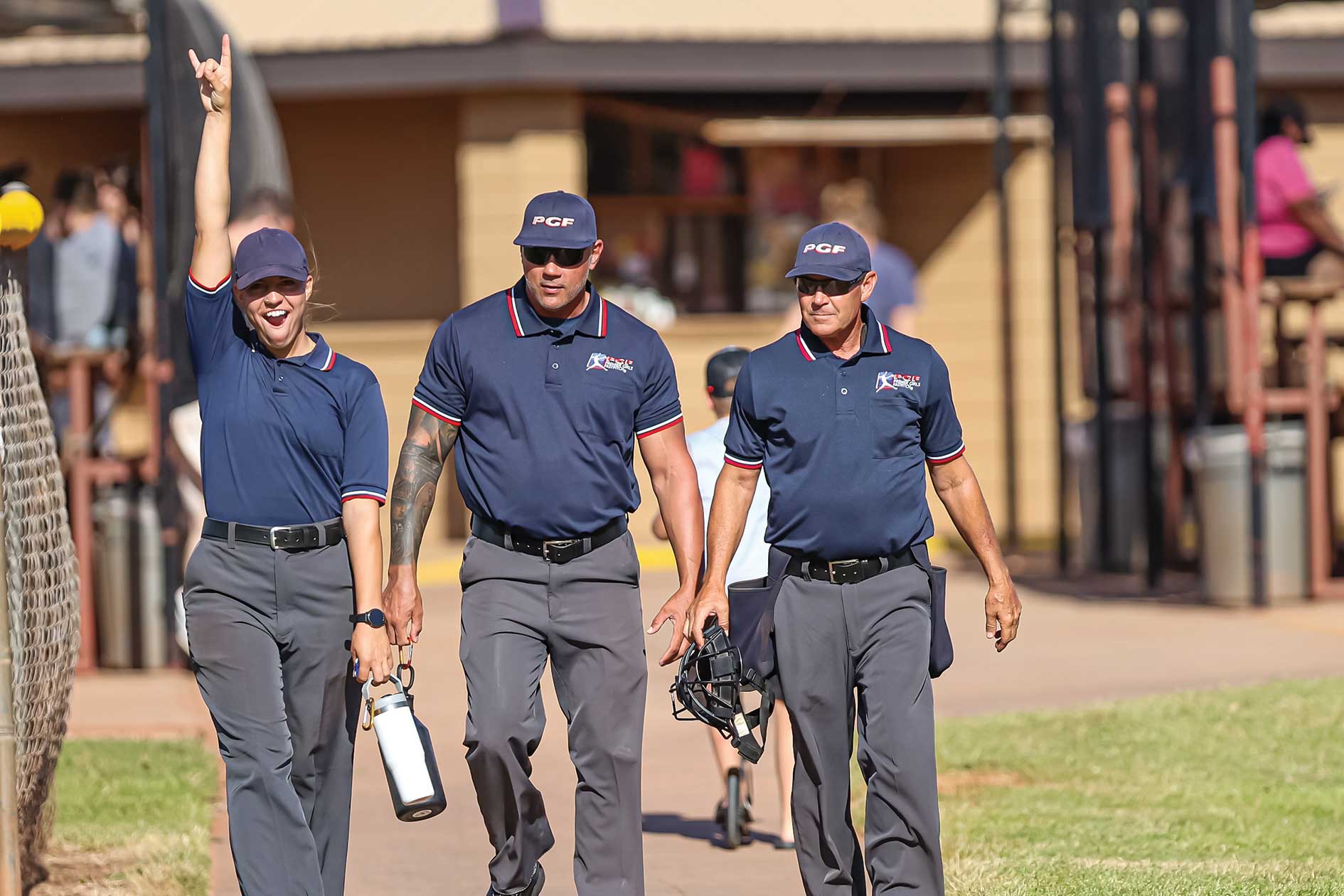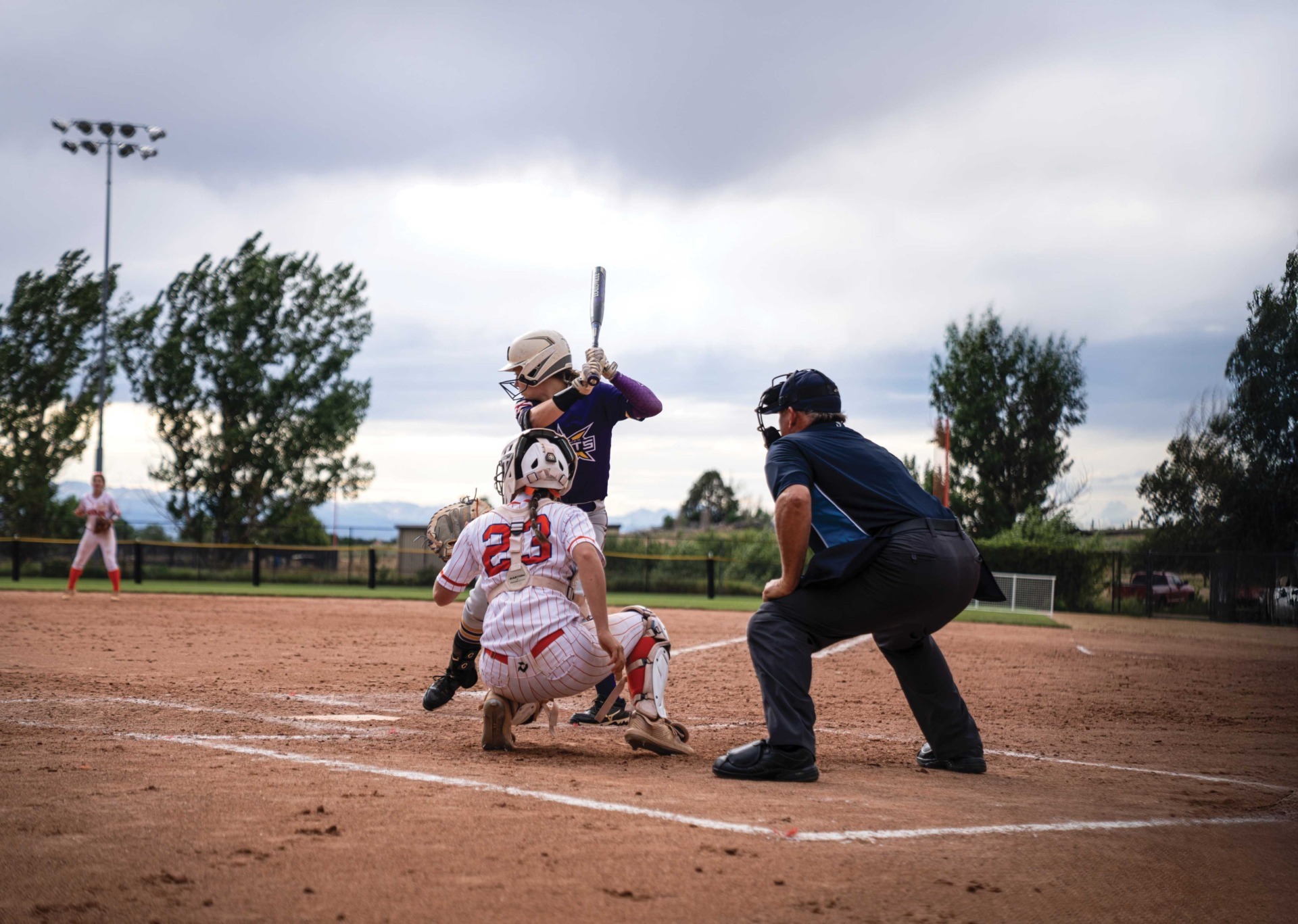
On a busy softball weekend, the competition is supposed to be between the teams. Yet increasingly, tournament organizers find themselves competing for something else: enough qualified umpires to put every game on the field.
The shortage isn’t new, but its impact has become harder to ignore. The National Federation of State High School Associations (NFHS) estimates that roughly 50,000 high school officials left officiating during the COVID-19 pandemic, bringing registration numbers as low as 189,140 before they began to recover. While registration totals have since started to rebound, the deeper challenge remains: the officiating pipeline is aging, and too many new officials don’t stay long enough to replace those who leave.
The average age of a sports official reached 56.68 years in the 2023 National Association of Sports Officials (NASO) survey, up from 53.29 in 2017. And most new officials leave within their first one to three years.
For amateur softball, those broader officiating trends create a particularly difficult equation. Tournament calendars are crowded, games are packed onto multiple fields, and the demand for experienced umpires can spike dramatically on the same weekend. When there are only so many qualified officials available, event organizers aren’t simply filling assignments—they’re competing with other events for the same people.
That competition puts pressure on every part of the game: recruiting earlier, developing new umpires, keeping veteran officials from burning out and, perhaps most importantly, creating an event experience that makes officials want to come back. The 2023 National Association of Sports Officials survey found that 79 percent of respondents had taken on more assignments because of the shortage, while nearly 37 percent said they felt pressure to accept more games, and 14 percent reported feeling burned out.
The good news is that organizers aren’t powerless. They may not be able to find more umpires overnight, but they can help strengthen the pipeline and make their events a preferred assignment for the officials already in it.
Building the Pipeline
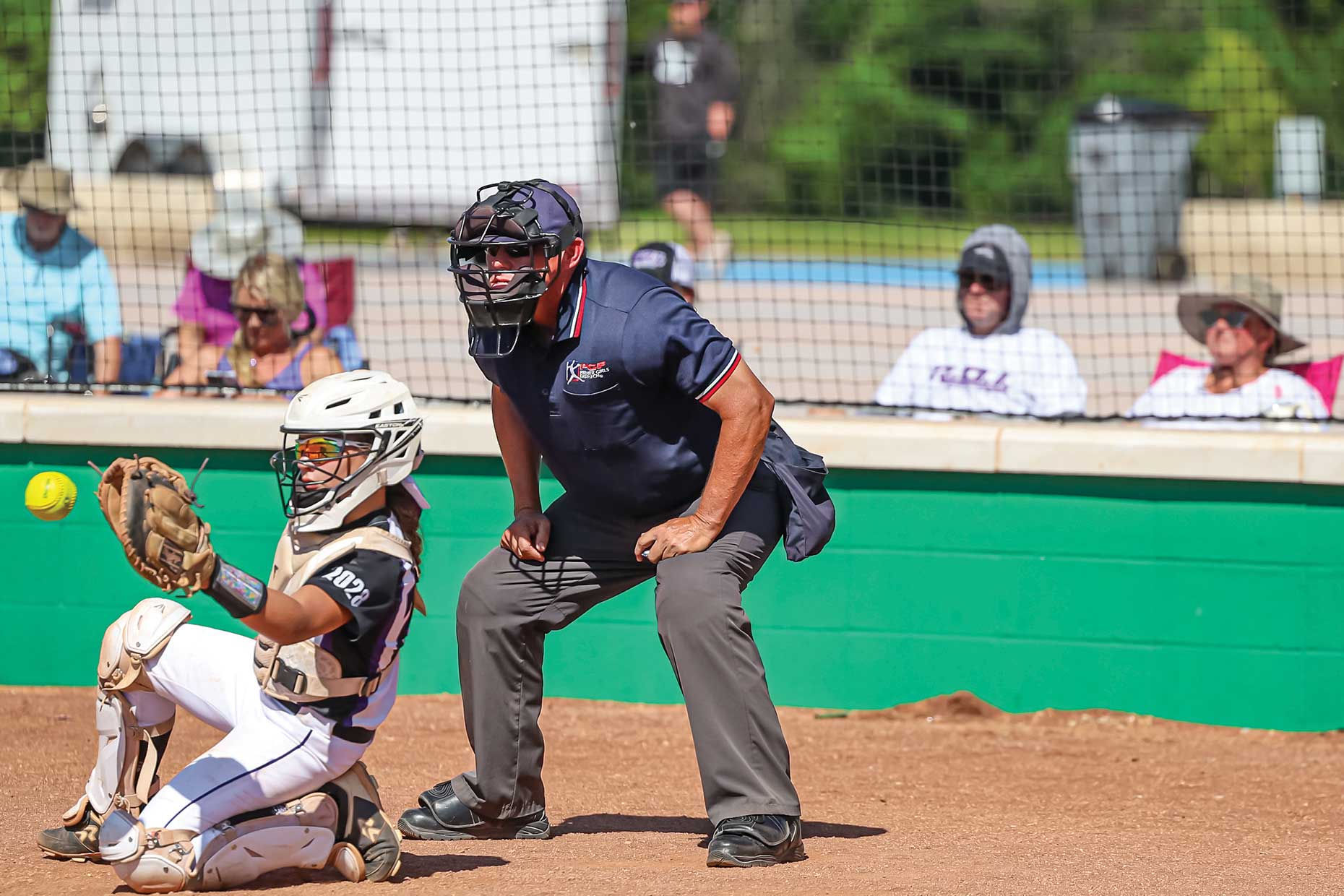
For tournament organizers, the shortage makes development and retention just as important as recruitment. The strongest long-term solution is a deeper pool of officials who are trained, supported, and prepared to stay in the game.
USA Softball has long invested in that process through its National Umpire Schools, an advanced, hands-on training program designed to improve the judgment, mechanics, rules knowledge, and game-management skills of umpires. Regional and local training opportunities give officials avenues to develop their skills and gain experience before stepping into increasingly competitive environments.
That type of preparation is essential as organizations feel pressure to fill umpire assignments. A new umpire may be willing to take the field, but putting an inexperienced official into a demanding game before that person is ready can create a poor experience for everyone involved—and potentially send another official out of the pipeline. Dana Marie Pappas, director of officiating services at NFHS, has seen that challenge across officiating. “We’re trying to make sure officials get trained before they get on the field,” she says. “Because the sport is short on officials, there’s a knee-jerk reaction to say, ‘Let’s get this person out there.’ But if we put people in a game and they aren’t trained yet, they will probably have a bad experience and we’ll lose them.”
That makes the work of getting officials into the pipeline only the beginning. Pappas says state associations are being encouraged to make sure new officials complete training and exams and participate in scrimmages or other on-field opportunities before the season begins. The goal is to give new officials the foundation they need to have a positive experience from the start and, ultimately, a reason to keep coming back. “Recruitment efforts are paying off; retaining efforts just aren’t enough,” Pappas explains. “We’re bringing in a pretty good number every year and we’re like great, we’re recruiting. But we’re losing in the first three years. So now it’s like, wait a minute, we have to keep them here.”
That retention challenge has also created a noticeable gap in the experience level of the officiating workforce. “We have a large number of veterans and new officials, but we have no middle,” Pappas says. “It has been 10 to 15 years with a thin middle.”
Filling that middle is critical, Pappas says. Developing officials from the three-to-five-year stage into the seven-to-10-year range creates the experienced group needed to eventually replace veterans who have spent decades on the field.
Mentorship is becoming one of the most important tools for making that happen. New officials need instruction on the rules and mechanics of the game, but they also need guidance on everything surrounding the job—from purchasing equipment and attending association meetings to navigating difficult situations and understanding what is expected at a tournament. “We’re leaning hard into mentorship because a lot of people stop because they don’t have anyone there to help them walk through not just the X’s and O’s but the business of it,” Pappas says.
National and state organizations are encouraging more of that support, but individual softball organizations are also creating their own pathways into officiating. Triple Crown Sports launched Protect the Game, a nonprofit focused on recruiting and training military veterans as softball officials. The program provides training and equipment at no cost or at a reduced rate, while giving veterans an opportunity to apply skills developed during their military careers to officiating. “It has been beneficial for us over the years as we’ve trained veterans in different regions of the country and given back to the game,” says Krista Crawford, director of fastpitch for Triple Crown Sports.
Building the Relationships
No single program will solve the shortage, but initiatives such as Protect the Game can add officials to the pool and demonstrate how organizations
can create new entry points into officiating. Tournament organizers also can influence whether officials accept an assignment—and return for the next one—by focusing on the experience they provide.
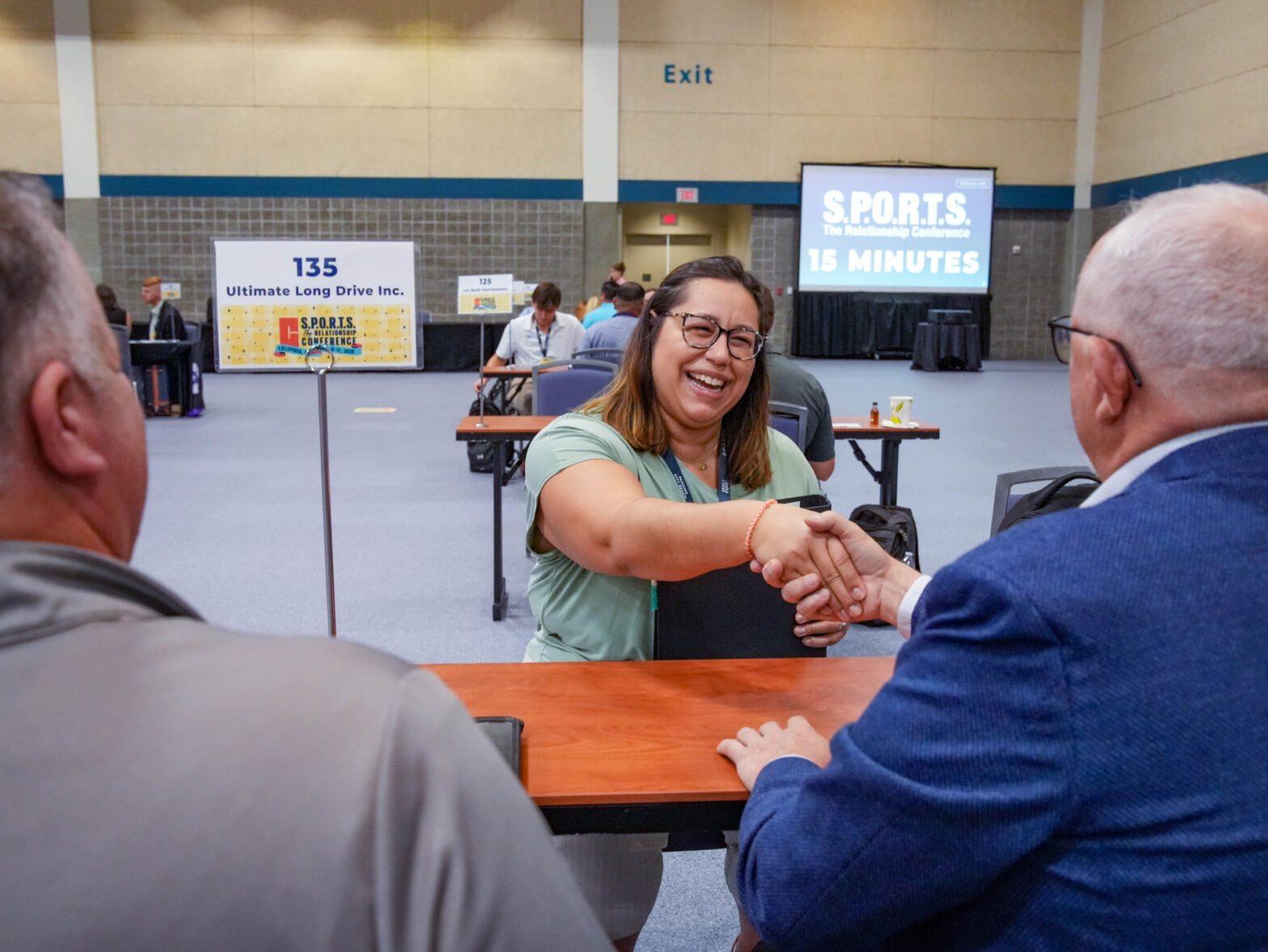
For Candice Eades, event manager at USA Softball, that starts with building relationships well before tournament weekend. She recommends beginning conversations with umpire crews about six months out and having assignments secured at least three months before the event. Starting early gives organizers more time to build a crew, identify gaps, and continue looking if the initial group isn’t large enough. “It also gives umpires a better understanding of what they are committing to,” she adds.
Eades typically works through an umpire-in-chief, or UIC, who handles scheduling the crews. She provides the UIC with the tournament’s game grid, number of fields and games, expected hours and compensation so the UIC has the information needed to recruit officials. “The more information you give them, the better they can find umps that want to come,” she says.
Triple Crown Sports follows a similar model. Crawford says the organization contracts with UICs and provides the game grid, number of umpires needed, and level of play. For a new event, that planning can begin as much as a year in advance. For established tournaments, UICs often know what is coming, allowing them to begin building crews well ahead of time.
Chad Stears, owner of Diamond Legacy Events, works as a UIC for Triple Crown’s national championships while also umpiring at the SEC, Big 12, and Big Ten levels. Working both sides of the equation—running tournaments and also umpiring—he stresses that advance planning is critical. He sends schedules to his crews well ahead of an event so officials can plan around their jobs, families, and travel. “My company is only as good as the umpires are, and you have to take care of them,” Stears says. “They have to feel wanted, be paid well, and feel accommodated.”
That starts with communication. Organizers should make sure officials know where they will park, what time they are expected to arrive, how many games they will work, and what is provided for them. Game balls, lineup cards, and other field-level details may seem minor, but having those details handled can make the difference between a smooth tournament and a frustrating one. Pappas says consistent, clear communication is among the most important things a tournament director can provide.
Jared Arrington, another UIC for Triple Crown Sports who also founded Total Officiating, says the details of the schedule can be particularly important for officials who work other jobs during the week. Sunday evening assignments, for example, can turn a tournament commitment into a difficult choice for an umpire who has to be back at work Monday morning. “Tournament directors who understand those realities have a better chance of building crews that want to return,” he says.
Make the Working Conditions Work
Once officials arrive, the relationship shifts from recruiting to retaining. That means treating the umpire experience with the same level of planning and care given to teams and coaches. It can be as simple as making sure umpires have water, meals, a place to park, and someone available when they need help. For out-of-town officials, organizers also may need to consider lodging or transportation, particularly when late games could leave an umpire facing a long drive home. Eades’ events provide meals and lodging when needed and even use a rental van to transport umpires from their hotels. “When you take care of your people, they come back,” Eades adds.
Crawford takes a similar approach at Triple Crown, where the organization looks at its umpire crews much like it does its teams and coaches. “We try to take care of the umpire group like a customer,” she says. “They really are.”
That customer-service mindset can extend to the smallest details. Crawford recalls an event where simply making sure officials had water available made a noticeable difference. “Little things on site like that can really make them feel like an important part of the event, which they are,” she says.
Scheduling is another area where organizers can make a meaningful difference. Keeping the same umpires on the field for an entire day may help fill a game grid, but it can also create fatigue. Eades suggests scheduling officials for two or three consecutive games before giving them a break. At national championship events, she rotates crews even more frequently. “Umpires who are tired are more likely to make mistakes, and a long day in the heat can make an already demanding job even harder,” Eades says.
The environment around the field matters, too. Pappas says officials need to know they are supported when games become difficult, particularly when sportsmanship issues spill over to the stands. That includes having someone available to handle spectators who become confrontational with officials. “There is a sense of feeling like you’re part of the community and your service is valued,” Pappas says. “If you go somewhere where you’re left alone and going into the parking lot after a heated game and parents are there berating you, you don’t want to be there.”
That attention to the official experience can help an event stand out when multiple tournaments are competing for the same crews. It also can pay dividends for the teams. Eades says good umpire crews mean fewer complaints from participating teams and a better experience for everyone involved.
The relationships built with UICs and individual umpires can then become an ongoing part of an event’s planning. Staying in contact, asking what officials want, and following through on what has been promised can help turn a one-time assignment into a long-term relationship. For organizers facing a limited pool of qualified umpires, that may be one of the most effective strategies available. “We all have a responsibility to the game to help make this better,” Crawford says. “So, the more we can all work together, the better it will become for umpires.”
The shortage will not disappear overnight. But by investing in the pipeline and creating an experience officials want to repeat, tournament organizers can help ensure the games on their schedules have qualified umpires behind the plate and on the bases.