Why security protocols are no longer optional for tournaments of any size
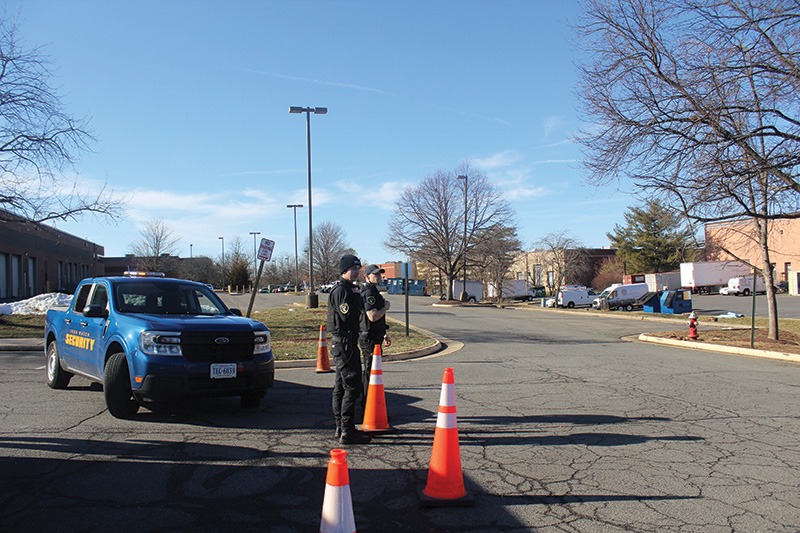
Ten years ago, “event security” at a weekend tournament might have looked like a few volunteers in neon vests and a reminder to lock your car. Today, even the smallest sporting events are feeling the squeeze to operate like scaled-down versions of major venues, complete with credentialing, bag policies, emergency action plans, and clear chains of command. The shift isn’t just cultural; it’s contractual. Insurers, municipalities, and facility partners are increasingly mandating formal protocols, leaving organizers to navigate a new reality where safety expectations, liability exposure, and budget limitations collide.
In this evolving landscape, the question isn’t whether security measures are necessary—it’s how planners can implement the right ones in a practical, cost-conscious way without disrupting the participant’s experience. Here’s what you need to know.
A new reality
USA Ultimate, the national governing body for ultimate Frisbee, offers a good example of how even sports outside traditional stadium environments are adapting. The organization’s championship events span stadiums, sprawling multi-field complexes, and beach tournaments. How security is planned and staffed depends on the setting, says David Raflo, senior manager of events.
“Usually when we’re in a tournament setting, we have a number of fields, anywhere from eight to 12, and sometimes even up into the 40s,” Raflo says. At that scale, security isn’t just a gate issue. It’s a site-management issue. Multi-field tournaments can span hundreds of yards, with multiple entry points and hundreds of athletes, spectators, staff, and volunteers moving at once. The challenge becomes visibility, communication, and consistency—across a footprint that looks less like
one event and more like several happening simultaneously.
Start early
One of the most common mistakes planners make is treating security
as a late-stage add-on, says Jaime Barrera, chief operating officer of Iron Watch Security.
“Start security planning at the very start—as soon as the planner knows they will be having an event,” he says. In practice, that means security should run alongside early decisions about venue layout, staffing, and spectator flow. This means reaching out to local partners as early as possible.
“As they’re planning how many personnel, teams, and spectators will be involved, they should start considering security and reach out to local law enforcement to see what support they can provide,” Barrera says.
Even when law enforcement is available, private security can provide reliability and coverage—especially for events with long operating hours or a large footprint. “Law enforcement is a wonderful asset, but sometimes they just don’t have the personnel that can be dedicated to the event,” Barrera explains. “They might check in and leave, but your security providers are dedicated to your event and will stay on site until everyone is safely out of the venue.”
Security planning isn’t just about screening. It starts weeks, even months, before the first game.
“Core security starts even before the event—a couple of weeks, even a month or two beforehand,” Barrera says. “That means a walkthrough of the venue with all parties in charge of security and safety—law enforcement, fire and rescue, security—so they can map out the venue and discuss protocols for different situations.”
Start with risk
Before planners can decide what security should look like, they need to understand what they’re securing. Joe Levy, managing principal at Levy’s Strategic Advisory, says the first step is a risk assessment.
“Consider all the variables: what it is, where it is, when it is, and who is coming, whether you’re planning a pro sport or pee wee soccer,” says Levy.
That assessment includes the basics—timing, venue type, and crowd size—but also the context around the event. The planner should consider what other events are happening in the area at the same time, and whether it’s a densely populated urban environment or out in the country. Those inputs guide the event’s security posture. A downtown youth soccer tournament with heavy foot traffic nearby doesn’t need the same plan as a rural cross-country meet. But both need a plan.
Security professionals can bring experience and resources into that process, but Levy says smaller organizers can’t wait for perfect conditions or a perfect budget.
“Security professionals have experience, they have knowledge, resources they can draw upon,” he says. “But in the absence of that, you have to do what you can.”
Sometimes, the “something” is simple and human. “Something as simple as planning that if there’s a medical emergency, these five parents are around to drive people to the hospital,” Levy says.
The practical must-haves
While “security” often gets framed around screening spectators, many event organizers find their most immediate needs are more basic. For Raflo, one of the most practical investments is protecting assets and infrastructure. “One of the primary things we want to do is make sure our equipment is not left alone all night, so we’ll get overnight security from set-up through the last night,” he says. “Sometimes an extra night if we have sensitive equipment like cameras or satellite trucks.”
Barrera emphasizes crowd control staffing and the importance of rotation. In long-duration events, fatigue is one of the biggest threats to effectiveness.
“When it comes to crowd control, we want to ensure we have enough personnel so we can get fresh eyes on crowds and access control points,” he says. “After a while, it starts to get into a routine, and you start seeing the same things over and over.” Having additional staff allows guards to rotate posts, stay alert, and avoid the physical wear-and-tear that can lead to missed details. “It’s not about slacking on the job,” Barrera adds. “But as you get tired, you feel pain in your feet. Extra personnel gives people a chance to reset—and that keeps the security factor from weakening.”
Technology as backup
Even with strong staffing, most events don’t have enough personnel to physically monitor every field, walkway, parking lot, and spectator area at all times. That’s where technology can provide a practical boost.
“Technology has been a great tool when it comes to security because it allows us to see things we weren’t able to see before,” Barrera says.
Instead of relying solely on individuals scanning crowds from the sidelines, camera towers and monitoring stations allow trained personnel to zoom in and identify issues quickly.
“Being able to have someone who can sit in a room and monitor a camera and pick out the individual that’s either having a medical emergency or safety concern is a great tool,” he says.
Screening and policies
Entry screening and bag policies continue to evolve, and for many planners, the most realistic goal is balancing safety with throughput. Clear-bag rules, Barrera says, improve both.
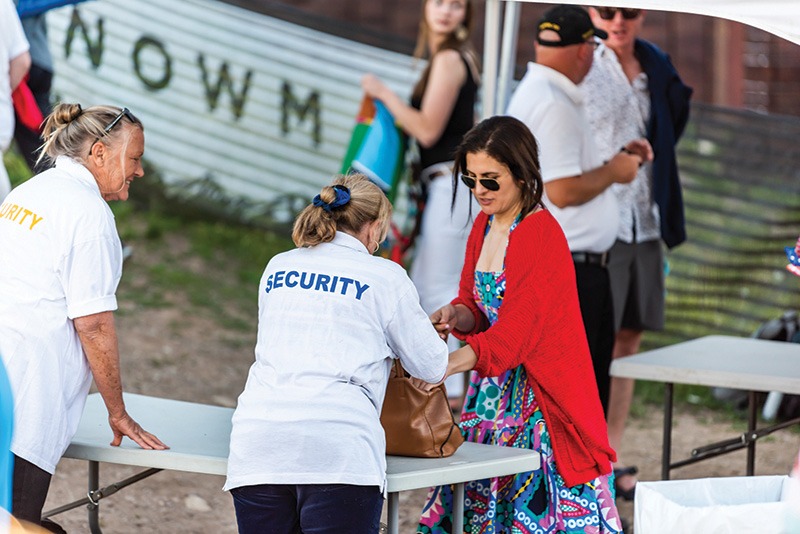
“We work with some venues that have brought on board the policy of clear bags only,” he says. “We’ve found that it makes a substantial difference when it comes to moving the line because it’s easier to see, reduces liability, and we don’t have to invade that personal space.”
Levy cautions against “security theater” measures that look serious but don’t reduce risk.
“If you can search bags before people come in, great, but it has to be done correctly,” he says. “Just looking at a bag for a second won’t stop a determined threat.”
The takeaway for planners: whatever your screening policy is, it should be clearly communicated, consistently enforced, and realistic for your staffing and venue footprint.
Communication wins
On a multi-field complex, security often comes down to how quickly the right people can connect—and how clearly they can coordinate.
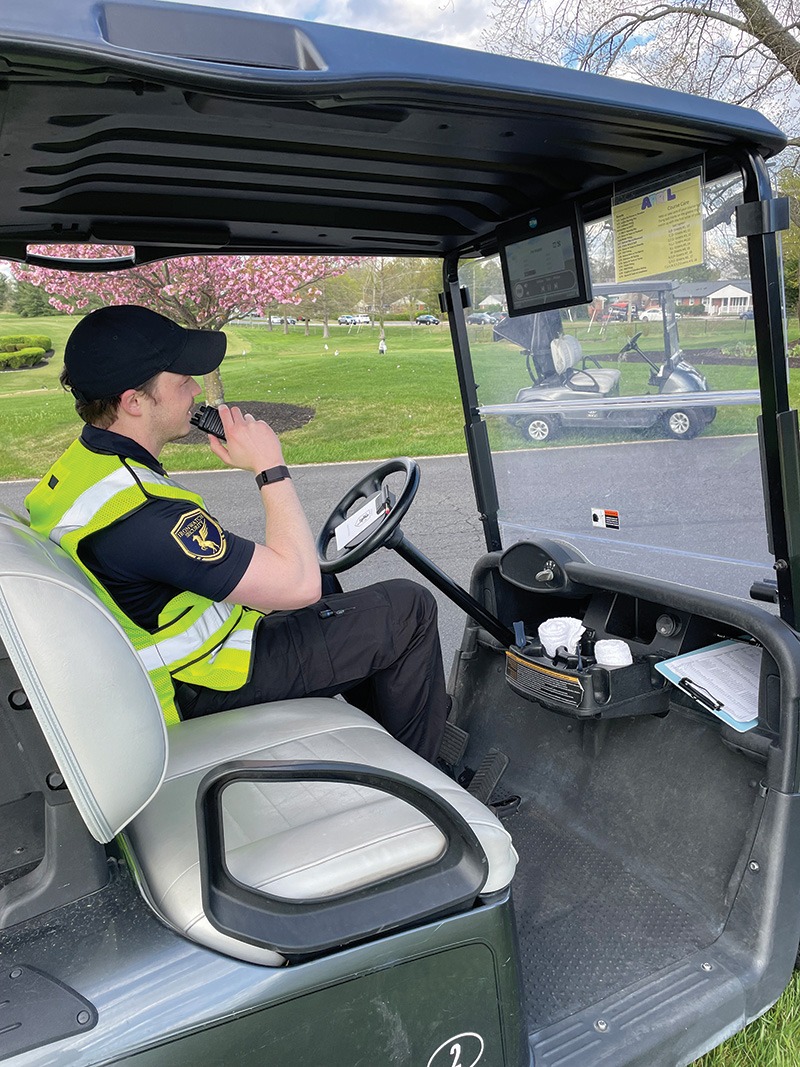
Raflo says that at USA Ultimate, radios remain a core tool, especially for senior staff and field-level leads. He also stores medical and crisis management plans in a mobile platform so key personnel have access in real time.
Barrera agrees, adding that technology has improved the security value of two-way radios—especially encrypted systems. “Two-way radios have come a long way, especially with encryption,” he says. “Those are very, very important. We want to make sure that as we are providing security and responding to incidents, we don’t have wrongdoers listening to security operations.”
He also recommends making communication more direct at the leadership level. “The team leads should have phone numbers to contact other team leads right off the bat,” he says. And importantly, volunteers and event staff can’t be an afterthought. “It goes back to the initial planning phase,” Barrera says. “Have someone from the volunteer team involved early so they can pass the info along.”

Review, refine, repeat
Security planning doesn’t end when the last game ends. Barrera recommends debriefing after every event. “After every event, regardless of size, it can be a quick, small debrief or a larger event can have a larger day-after teams meeting,” he says. “Go over what went well, what could have gone better, and what we can do next time.”
Plans should also be revisited regularly.
“Once you have that security action plan in place, go back and review it every couple of years to make sure it’s accurate and up to date,” Barrera says.
The new baseline
Event security is no longer reserved for major venues and national championships. Even grassroots tournaments are facing new expectations.
For planners, the path forward is less about complexity and more about being intentional: start early, assess risk honestly, coordinate partners, and build communication and response protocols that fit the event you’re producing. “You can’t do everything,” Levy says. “But what you can’t do is nothing.”