Despite some contractions and setbacks in recent years, most notably the collapse of several professional leagues, the esports industry is still massive and continues to grow. Driven by platforms like Twitch, Discord, and YouTube, the gaming industry has grown into a multi-billion-dollar juggernaut, expected to surpass $500 billion by the end of 2030. By association, competitive gaming, better known as esports, is consequently on the rise, too.
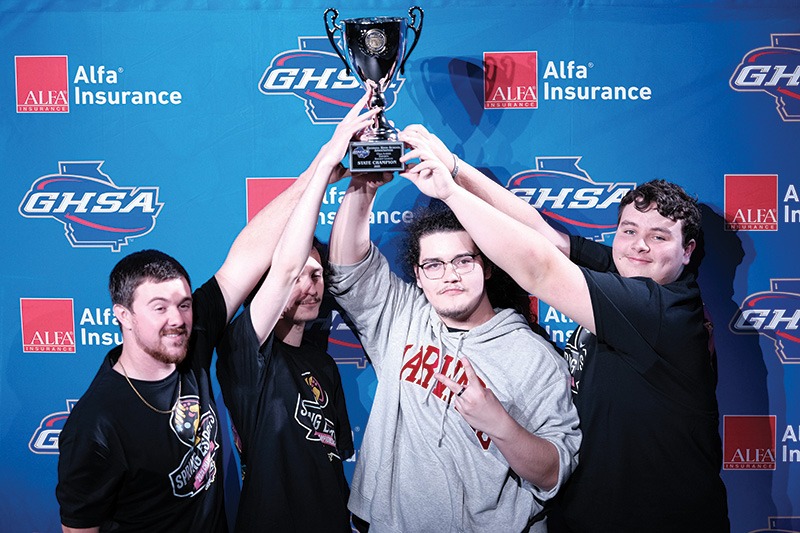
Increasingly, gaming is no longer just something kids do on their own at home. Across North America, schools, community organizations, and event planners are organizing esports leagues and tournaments, turning competitive gaming into structured competition that looks more and more like traditional youth sports.
For event organizers, esports represents both an opportunity and a learning curve. While esports events don’t require fields, courts, or ice rinks, they do require something just as important—reliable technology, strong internet, and careful planning.
For an esports event to work, you need certain equipment and technology, says David Alatorre, founder of Pro Championship Series/Phygital Sports USA, which produces hybrid physical-digital sports events. And you must make sure everything is set up correctly, or the event simply won’t run properly.
At the same time, the growth of scholastic esports programs is creating new opportunities for youth participation and new reasons for organizers to host tournaments, says Aaron Kelley, senior marketing manager of PlayVS, which operates scholastic esports leagues in close to 6,000 schools across the country.
Together, organizers say esports events can be successful if planners understand both the technical requirements and the community aspect that drives participation. Here are seven tips for organizing a successful youth esports tournament.
Tip 1: Start with technology
The biggest difference between esports and traditional sports is that esports tournaments are built on technology. Instead of fields or courts, organizers need computers or consoles, monitors, a stable power supply, and, often, fast, reliable internet.
This is something that Alatorre knows all too well. He once organized a tournament where the computers were more than adequate, but did not meet the specifications that players were accustomed to on their personal machines, which led to some tension. “The main thing that esports players will be really adamant about is that they can play the video game well,” Alatorre says. “They should not have latency, so they should have the correct equipment, the correct specs on the computers, dedicated high-speed internet—all of those things are very important.”
Even small delays in internet connectivity can affect gameplay and competitive balance, so organizers need to prioritize internet bandwidth and equipment specifications early in the planning process. “For a tournament, just one latency, one small latency can be the difference between winning and losing,” Alatorre says.
As a result, esports events often require close coordination with IT teams and audiovisual providers. In many ways, an esports event can resemble a technology conference as much as a sporting event.
Tip 2: Choose the right games
Game selection plays a major role in how an esports tournament is organized. Some games have short match times and simple tournament formats, while others take longer and require more complicated scheduling. Organizers need to understand the match length, the number of players per team, and the tournament format before setting a schedule. Poor planning can result in tournaments running much longer than expected.
“We’ve had some state championships that have ended at two in the morning because the state partners scheduled so many competitions and so many different events,” Kelley says. Choosing games that are popular with players while also fitting within a realistic event schedule is one of the most important early decisions planners will make. Additionally, because new titles are introduced regularly, it is a challenge to keep up with trends while also offering age-appropriate games. “A game could launch tomorrow, have a huge following, and then in two months, no one’s playing it again, and so you have to be very careful when you bring on a new title that it’s going to have longevity,” Kelley says. While games vary by age, some of the most popular titles among esports athletes today include Super Smash Bros., Mario Kart, Rocket League, League of Legends, Counter-Strike, Dota 2, Valorant, and Fortnite.
Tip 3: Decide between console and PC events
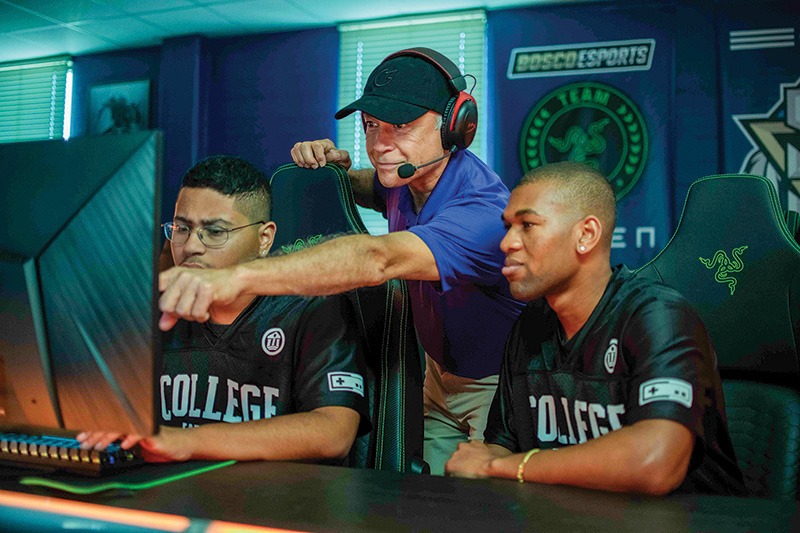
One of the biggest logistical decisions for esports event planners is whether to host console or PC competitions. Console tournaments are generally easier and less expensive to organize because each station requires only a console, controllers, and a monitor or television. Indeed, one console can support up to four players. Meanwhile, PC tournaments require significantly more equipment, including a separate computer for each player, as well as monitors, keyboards, and mice.
Because of this, many organizers begin with console events and expand into PC tournaments as their programs grow, and they gain access to more equipment and technical support. This decision affects space requirements, budgets, staffing, and the number of participants an event can accommodate.
Tip 4: Build the schedule around equipment availability
Unlike traditional sports tournaments, where multiple games can happen across many fields at once, esports tournaments are limited by the number of gaming stations available. That means scheduling and tournament structure are critical.
The number of teams that can participate is directly tied to the number of gaming setups available and the length of each match. Organizers must carefully plan brackets, and match timing and transitions between rounds to keep events running on schedule.
Tip 5: Give players a reason to attend in person
One challenge with esports events is that players can often compete from home. Unlike traditional sports, where teams must travel to compete, esports players can already play online.
That means in-person events need to offer something extra to attract participants.
Organizers say successful events often include prizes, college recruiting opportunities, social activities, and festival-style elements such as concessions or food trucks.
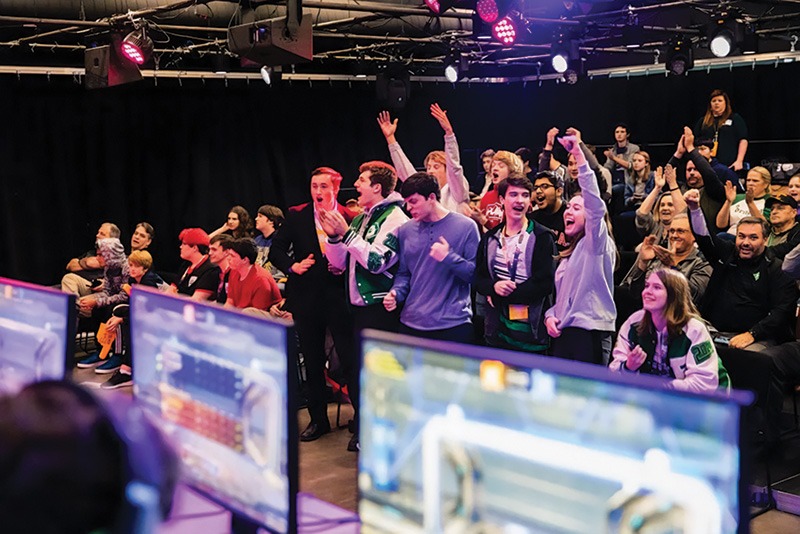
The in-person experience is also important because esports can be highly social. Live events allow players to meet teammates and competitors face-to-face and experience the excitement of live competition.
Tip 6: Hype the benefits
One of the biggest reasons esports has grown in schools is that it offers educational and social benefits beyond competition. According to Kelley, esports programs often involve far more than just playing games. Students can participate in broadcasting, video production, graphic design, social media, event production, and technical support roles.
Many programs are structured like traditional sports teams, with practices, coaches, and team responsibilities. That structure helps students learn teamwork, communication, and leadership skills. Esports programs can also reach students who may not participate in traditional sports or other extracurricular activities. In many cases, schools have found that esports programs help engage students who previously were not involved in school activities. According to a recent study by PlayVS, nearly half of the students participating in its esports leagues have never participated in an extracurricular program before. As well, participating students reportedly missed up to seven fewer days at school, and experienced up to 50 per cent fewer disciplinary incidents compared to non-participants.
Esports can also open doors to college opportunities, as many colleges and universities now offer esports programs and are recruiting students involved in gaming, broadcasting, and related fields.
As Kelley explains, esports programs often involve “taking something that kids are already doing in their free time and putting it into a very structured format,” where they learn to balance school, practice, and competition.
Tip 7: Watch the growth of hybrid events
While esports are often seen as purely digital competition, some organizers are experimenting with hybrid events that combine video game competition with physical sports or activities.
Alatorre says there are many similarities between traditional sports and esports, particularly when it comes to teamwork, communication, and strategy. Some emerging events now combine physical challenges with esports gameplay, creating new types of competitions that blend digital and physical activity. These hybrid or “phygital” events could represent a future growth area for event organizers and sports facilities looking to attract new audiences.
The future of youth esports events
Youth esports continue to grow as schools, community organizations, and event planners look for new ways to engage participants and host events. While esports tournaments require different infrastructure than traditional sports events, the fundamentals of event planning—scheduling, participant experience, staffing, and logistics—remain the same.
For organizers willing to learn the technical side and understand the esports audience, youth esports tournaments represent a growing opportunity in the sports event industry. As Kelley and Alatorre both emphasize, successful esports events are about more than just gaming. They are about community, teamwork, education, and creating opportunities for students to participate in structured competition. For many young participants, the playing field is no longer just a field or a court—it’s also a screen, a controller, and a connection to competitors around the country or the world. And for event planners, that means esports isn’t just a trend, it’s a growing category of sports events that isn’t going anywhere.