Whenever a new piece of gear or technology is introduced to or adopted by players in a sport, there’s always a period of growing pains, adjustments and, often, controversy. That’s certainly the case with composite bats in youth and amateur baseball.
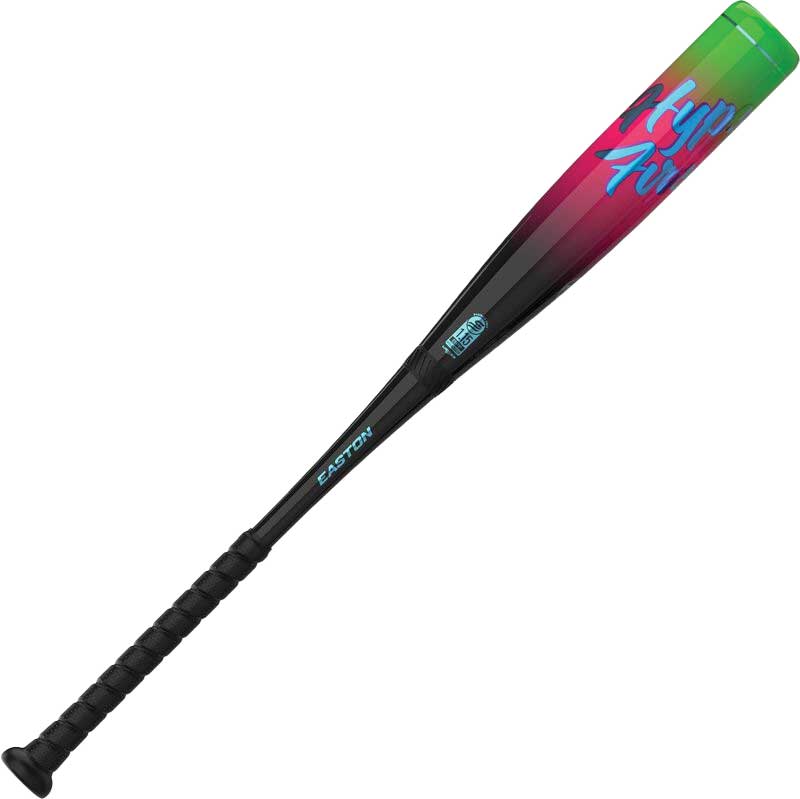
Made of layers of carbon fiber, fiberglass, and graphite, composite bats are lightweight, have large sweet spots, and offer reduced vibration, making them popular among players looking to develop their skills. The composite material allows for thinner walls and more flex, creating a wider, more forgiving hitting area across the barrel.
Early iterations first appeared on the market in 1985 as graphite-and-plastic models for softball, though they did not gain widespread popularity or high performance until the late 1990s and early 2000s. Their big advantage was how far and how fast they let players hit the ball. They have a trampoline effect upon impact, flexing slightly at the point of contact to send the ball faster and farther.
Of course, there are disadvantages, too. Composite bats are considerably more expensive than aluminum and wood bats, most require a breaking-in period, and can crack in cold weather.
As well, while their performance resulted in higher scoring and possibly more exciting games, it also created a safety concern, as infielders had less time to react to screaming line drives. Before specific league certifications and standards were put into effect, there were cases where players were injured, or even killed, by balls hit with composite bats. By the early 2010s, some organizations had implemented outright or partial bans due to these concerns.
Nowadays, most youth baseball organizations allow composite bats as long as they meet certain safety and performance criteria. For example, Little League Baseball has adopted the USABat Standard, which requires bats to bear the official USA Baseball stamp. Meanwhile, amateur high school and collegiate play permit composite models, but they must meet the strict BBCOR certification standards. Regardless of where you land on the issue, though—and whether 11-year-olds really need to hit with a $350 bat—composite bats represent an evolution in baseball that’s here to stay.