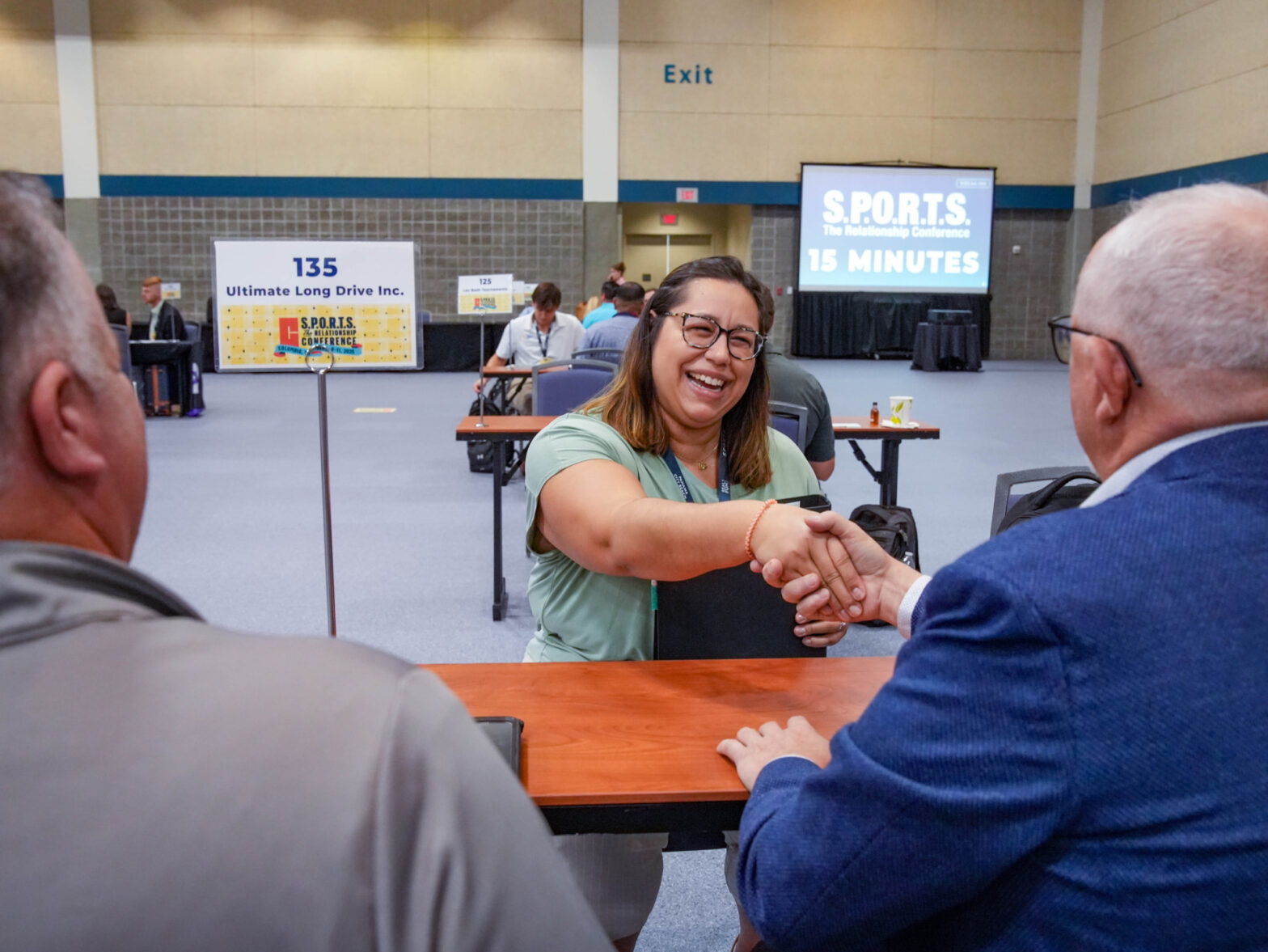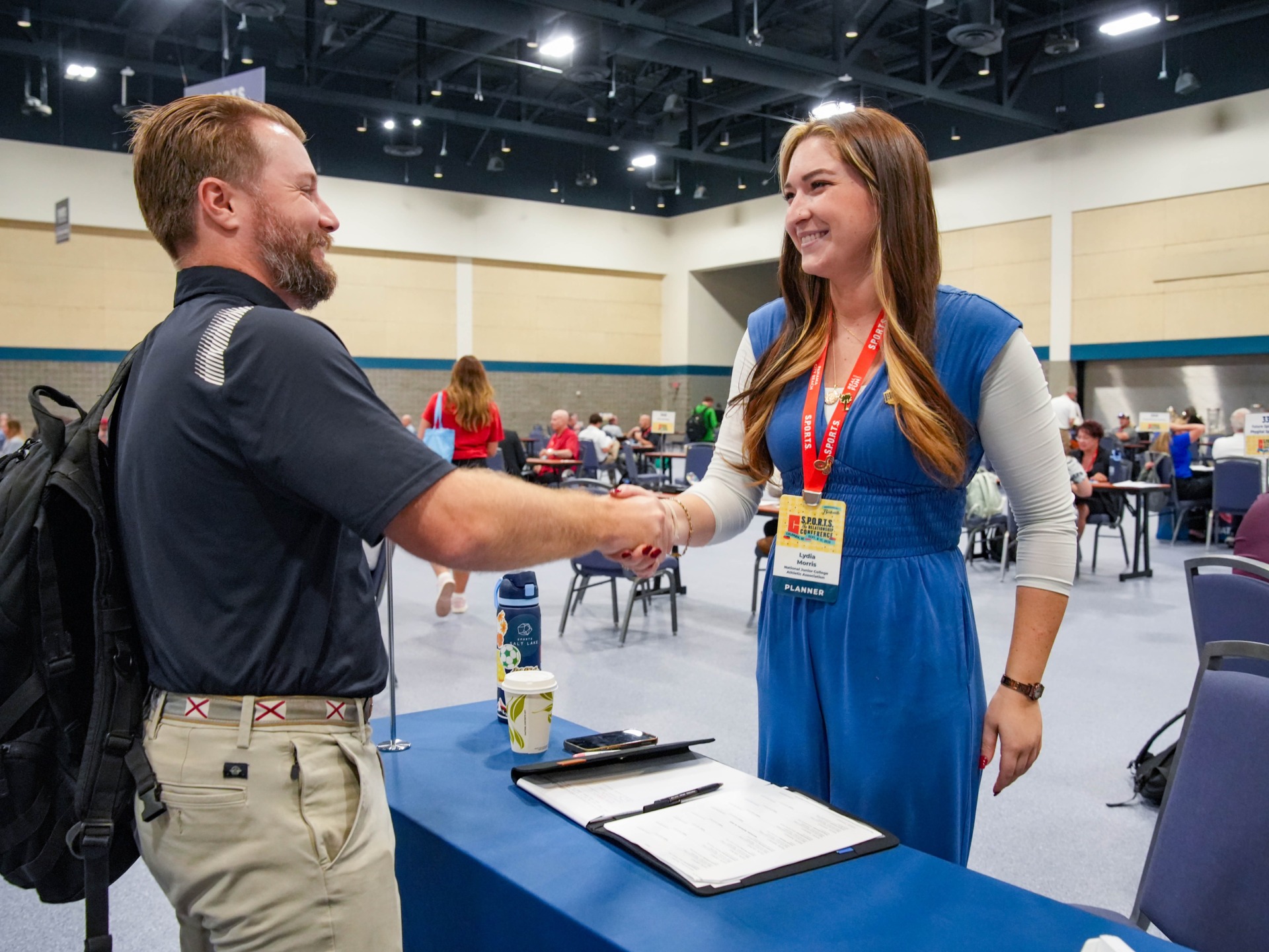
So, you attended S.P.O.R.T.S – The Relationship Conference and are wondering how you can keep the momentum going? While the conference is over, the conversations that began during your appointment with the destination don’t need to end at the table. It’s all about the follow-through. The days immediately following the conference are an opportunity to turn promising destination conversations into stronger working relationships, which is where these five proven tips come into play.
- Follow up while the conversation is still fresh
Start with a simple thank-you and reference something specific that came up during your meeting. Maybe you discussed a particular venue, hotel package, local partner or scheduling challenge. Mentioning that detail shows you were listening and helps the conversation feel more personal. Early follow-up also sets the tone for the communication style that may carry through the rest of the planning process.
- Clarify next steps and responsibilities
A strong relationship benefits from knowing who’s responsible for what. Who’s sending the request for proposal (RFP)? Who’s confirming venue availability? Who’s coordinating hotels or a potential site visit? Clarifying responsibilities early can reduce delays and prevent assumptions. It also helps you and the destination understand what information is still needed before decisions can move forward.
- Share the right planning information
A destination can only respond effectively if they clearly understand what your event requires. Provide them with the details that matter most, such as venue specifications, spectator estimates, hotel needs, preferred dates, attendance projections and any relevant room-night or economic impact information. The more completed and organized the information is, the easier it becomes for the destination to determine whether it can meet those requirements and build an appropriate proposal.
- Keep communication consistent
Don’t let the relationship disappear after one conference conversation. Establish a realistic communication cadence and keep each other informed as plans, schedules, or requirements change. Regular communication also creates opportunities to address problems earlier. If venue availability shifts, hotel inventory changes or additional support becomes necessary, both sides are better positioned to adjust when expectations have already been clearly established.
- Think beyond one event
Not every promising conversation will result in an immediate booking, and that doesn’t necessarily mean the relationship has no value. A destination that is not the right fit for one event may be ideal for the other. Staying connected can also lead to referrals, local partnerships, future hosting opportunities and a better understanding of what different destinations can offer.
These post-meeting habits closely reflect several of the planning fundamentals outlined in the SportsEvents Planner’s Playbook: communicate early and often, provide clear event requirements, leverage local expertise and maintain relationships after the event ends.
For more practical guidance on building stronger planner-destination relationships, explore the free SportsEvents Planner’s Playbook.