How successful charity golf tournaments create memorable experiences while raising money for important causes

There’s a reason charity golf tournaments remain one of the most popular fundraising events in the country. According to the latest report by the National Golf Foundation, they generated $4.6 billion in charitable giving in 2022, an 18 percent increase from 2016. Their appeal is simple: people enjoy playing golf, sponsors like supporting good causes, and organizers have a proven format that works.
But successful tournaments don’t happen by accident. Like any event, there are strategies you can use to make organizing one more efficient and effective. Follow this advice from charity tournament veterans, and you’ll be hitting the green instead of getting stuck in a sand trap.
Start planning early
No surprise here, but as with most events, the earlier you start planning, the better. That applies to everything from securing a course to lining up sponsors.
Many, if not most, golf courses have events scheduled nearly every weekend during the season, so the sooner you reach out, the better your chances of securing your preferred date.
Once you’ve selected a venue, find out whether it has a tournament director or similar staff member dedicated to events. That person can become one of your most valuable resources during both the planning process and tournament day.
“Nine times out of 10, a golf course is not giving you any type of nonprofit discount because it’s too expensive to run a golf course for them to do that,” says Angela Merkle, development manager for the northern region of the American Cancer Society, who has organized the Drive Out Cancer Alaska Golf Classic in Anchorage since 2022.
“You’re paying to have your tournament there, whether you’re a nonprofit organization or business,” she says. “So, utilize the tournament director to your advantage. Sit down with them and say, ‘This is what we want to do. These are our goals. How can we do this?’ Because that’s what they do, they put on tournaments.”
Pick the right format
Because charity tournaments often attract participants with varying skill levels, a scramble format and shotgun start are usually the safest choices.
A scramble keeps play moving and is particularly welcoming to occasional golfers because teams always play from their best shot.
A shotgun start, meanwhile, allows all groups to begin simultaneously from different holes around the course. Besides speeding up play, it ensures everyone finishes at roughly the same time, making it easier to transition into awards ceremonies, meals, and post-round activities.
Another way to improve the player experience is to simplify purchases. Many tournaments offer add-ons such as mulligans, 50/50 raffles, and contest entries. Rather than requiring players to buy each item separately, Merkle recommends bundling them together.
“Instead of having all of your activations separately, like your mulligans, your string game, all your fun things, we still had those available to purchase individually, but we created something called the whole package that had a lot of the things in it for a discounted rate and almost every single team purchased that whole package because it was just easier for the team captain to come do the check-in, purchase that for the team and move on,” she says. The approach not only streamlines registration but also helps increase fundraising revenue.
Get in front of sponsors early
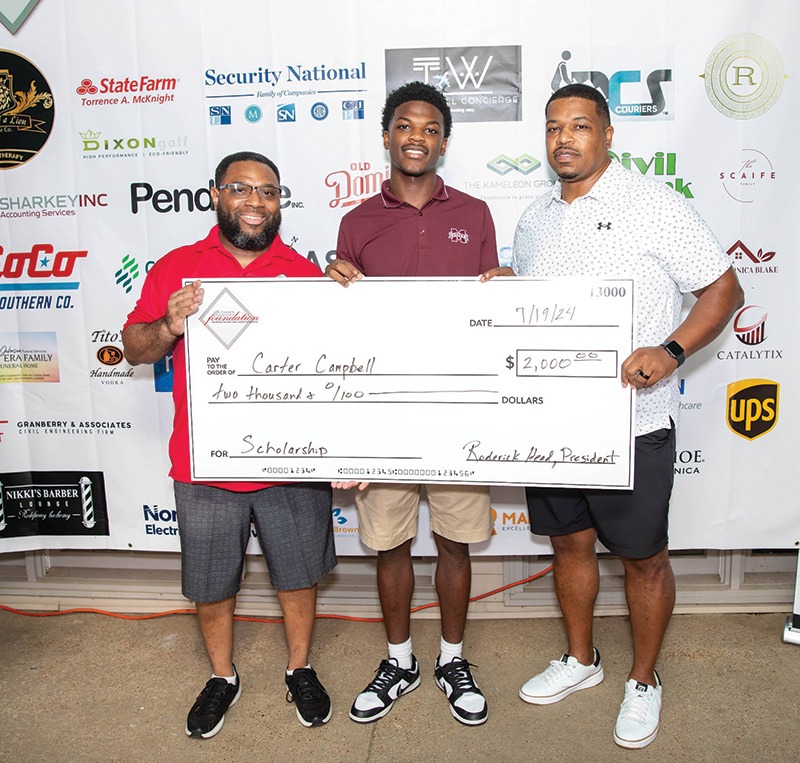
Early planning is equally important when it comes to sponsorships. Roderick Head, president of the Southaven Leadership Foundation, which runs an annual tournament that funds scholarships for youth in DeSoto County, Mississippi, says organizers need to understand how corporate budgeting cycles work.
Different companies operate on different fiscal years, so timing matters. “Keep that in mind and get information to them prior to the start of the fourth quarter or during the fourth quarter, so you can actually be in the conversation as opposed to getting into the year itself and being told, ‘Well, our budget is already tapped.’”
Make it easy for sponsors to participate
Once you’ve secured a date and venue, the next challenge is covering costs and maximizing fundraising potential.
Because the primary goal of a charity tournament is to raise as much money as possible for the cause, sponsorship revenue is critical. To make participation as easy as possible for sponsors, follow the KISS principle: Keep It Simple, Stupid.
For longtime sports event planner Anthony Terling, that starts with a well-designed sponsorship deck. Now sports development director with Auburn-Opelika Tourism, Terling also serves as president of the Austin 1st Foundation, which runs the annual Aces Fore Austin tournament. The event raises money for rare disease research in memory of his son, Austin, who passed away in 2022 from UBA5 Mutation.
“I always believe less is more, quality over quantity,” Terling says. “I don’t believe in having 10 different levels of sponsorships and then having benefits underneath because it just gets too much for sponsors.”
Merkle agrees. Rather than relying on traditional gold, silver, or bronze sponsorship levels, she ties sponsorship opportunities directly to visible event elements.
“Instead of doing the platinum, gold, or having fun names, sponsorships sell better when they’re connected to something that is going to give them the visibility,” she says.
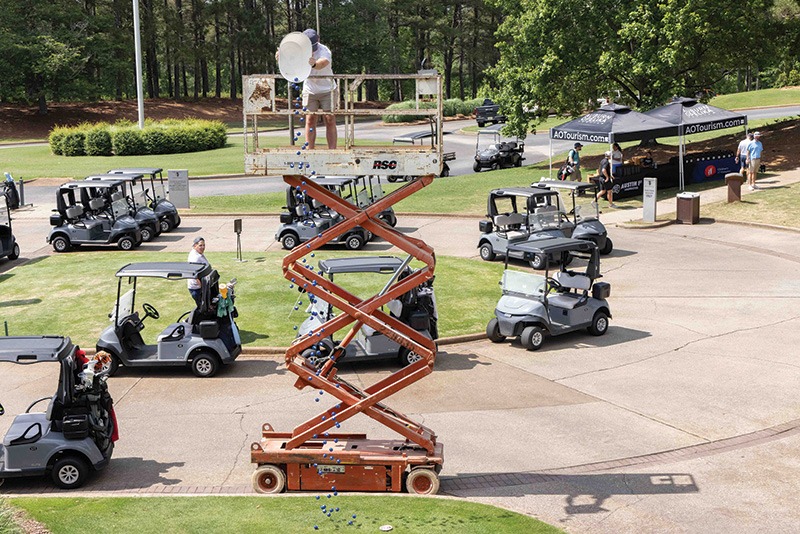
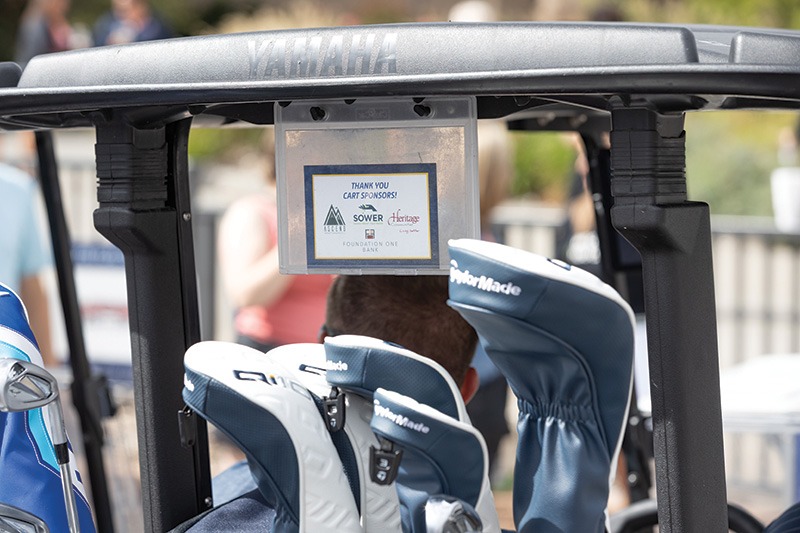
“We have the golf cart sponsorship, where your logo is going to be on every single golf cart. We have a check-in and registration sponsorship where you’re prominently displayed right there, where everyone’s signing in. There’s the banquet sponsor where you have all of these tables that you can put your logo on.” In her experience, sponsors respond better when the benefit is clearly spelled out from the start.
Take advantage of tech
Technology isn’t just about registration. It can also help organizers track performance, identify fundraising trends, and improve future events.
While spreadsheets and general project management tools can work, there are numerous golf tournament-specific platforms on the market, including Charity Golf Today, Golf Genius, and Kismet Golf.
“When we switched over to Charity Golf Today, it has actually coincided with the tournament’s growth,” Head says. “We can pretty much manage the tournament through that.” Such platforms simplify registration, payments, and financial tracking while reducing administrative headaches.
The American Cancer Society uses its own internal systems, but Merkle stresses the importance of maintaining a reliable system of record regardless of the technology involved. “You need something to stay organized because year after year, you’re going to want to keep track of things like, how much did my silent auction make? How much did we make on mulligans? Was this the right cost? Do we need to change that for next year? So, having a system of record is really important and keeping track of the funds coming in and where those funds are coming from.”
Make it memorable
At the end of the day, people may be supporting a worthy cause, but they’re also paying for a day on the golf course. Creating a memorable experience is one of the best ways to maximize participation and keep players coming back year after year.
The Sam Osborn Memorial Golf Tournament in Omaha, Nebraska, raises money for muscular dystrophy research in honor of Sam Osborn, who passed away from the disease in 2022 at age 17. The two-day tournament sells out every year, says lead planner Kimmylea Konsel-Taylor, because organizers continually look for ways to improve the experience.
Alongside traditional contests such as longest drive, closest-to-the-pin, and hole-in-one challenges, the event features unique activations, including a dunk tank, a human slot machine, and a wheel that determines which type of tool players must use to putt. Not only do these activities generate additional fundraising opportunities, but they also help create a fun and memorable atmosphere.
The setting itself can become part of the draw. The Aces Fore Austin tournament is held at Grand National–Robert Trent Jones Golf Trail, one of the country’s top-rated public golf facilities, Terling says. Meanwhile, the Drive Out Cancer Alaska Golf Classic introduced a unique twist this year when organizers moved the event to Settler’s Bay Golf Course west of Wasilla and rebranded it as the Drive Out Cancer Midnight Sun Golf Classic.
“It’s a shotgun start at 8 p.m.,” Merkle said prior to the June event. “Golfers will golf over the midnight sun, and the tournament wraps up around 1 a.m., so we’re pretty excited for it.”

Don’t skimp on hospitality
Terling believes participants should feel like they’re receiving a premium experience in return for their support. “When you come, it’s going to be a first-class experience,” he says. Rather than offering basic box lunches, the tournament provides a buffet breakfast, a sit-down lunch, quality player gifts, and attractive raffle and silent auction items. Yes, participants are there to support a good cause, Terling says, but thoughtful touches help create an event people want to attend again. In the end, successful charity golf tournaments come down to a fairly simple formula: make it easy for players to participate, easy for sponsors to support the event, and memorable enough that everyone wants to come back. Do that, and the fundraising will take care of itself.
SHINING EXAMPLES
Looking for inspiration for your next fundraising event? These four tournaments have built successful models around compelling causes, memorable experiences, and strong community support.
Aces Fore Austin
Hosted by the Austin 1st Foundation, this Alabama tournament honors Austin Terling and raises awareness and research dollars for rare diseases. Proceeds support organizations including the University of Alabama at Birmingham’s Undiagnosed Disease Program, Children’s Hospital of Alabama, and other rare disease research initiatives.
Learn more: austin1stfoundation.org
Drive Out Cancer Alaska Golf Classic
Organized by the American Cancer Society, this Alaska-based event raises funds for cancer research, advocacy, patient support, and local programs serving cancer patients and families across the state. In 2026, organizers introduced a unique Midnight Sun format with an evening shotgun start.
Learn more: alaska.acsgolf.org
Sam Osborn Memorial Golf Tournament
This two-day Omaha event celebrates the life of Sam Osborn while raising money for causes important to him, including muscular dystrophy-related programs and pediatric health initiatives. Since launching in 2022, it has generated significant support for charitable organizations throughout the region.
Learn more: samsgreatstory.com
Southaven Leadership Foundation Scholarship Golf Tournament
Held annually in Mississippi, this tournament funds scholarships for participants in the Southaven Leadership Foundation’s mentoring program, helping create educational opportunities and leadership development experiences for youth throughout DeSoto County.
Learn more: southavenleadershipfoundation.org