Jumping, dressage, and eventing each test the partnership between horse and rider in dramatically different ways.
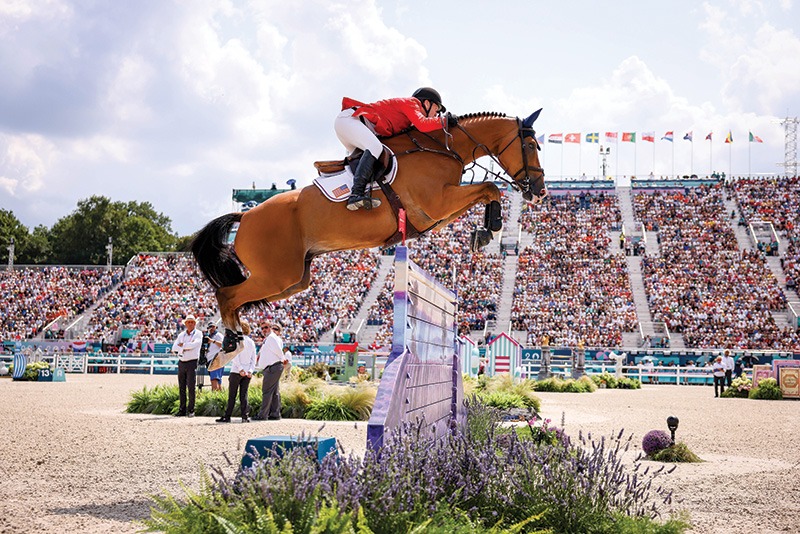
With the 2028 Olympic Games on the horizon, few sports capture the public’s attention quite like equestrian. From the split-second drama of jumping to the precision of dressage and the endurance test of eventing, the Olympic disciplines each offer a distinctly different experience for competitors, organizers, and spectators alike.
To help break down the disciplines—and explain why equestrian events continue to captivate participants at every level—we spoke with Carly Weilminster, US Equestrian’s senior director of sport communications & social media, and Lizzy Chesson, managing director of jumping. Together, the two offered insight into the culture, accessibility, and appeal of a sport that stretches from local riding clubs to the Olympic podium.
“Any sport that’s involved in the Olympics hopes that it will be a springboard for people to get involved and appreciate the sport,” Chesson says. “Someone gets the bug after watching it and wants to get involved.”
That pathway, Weilminster notes can take many forms. Some participants remain lifelong amateurs competing close to home, while others pursue the elite international circuit. “There are different ways based on your interests as a participant to find something that meets your criteria,” she explains. What unites all three Olympic disciplines is the bond between horse and rider—and the challenge of mastering it at the highest level.
JUMPING
The most recognizable equestrian discipline combines speed, precision and athleticism as horse-and-rider teams navigate a course of obstacles against the clock. Riders are penalized for knocking down rails or exceeding the time limit, making jumping one of the fastest and most spectator-friendly equestrian sports.
| BEST KNOWN FOR | Speed and power |
| JUDGING | Fewest faults + fastest time |
| SPECTATOR EXPERIENCE | Fast-paced and easy to follow |
It’s easy to understand because it’s fully objective and it takes place in a short amount of time.” — Lizzy Chesson
DRESSAGE
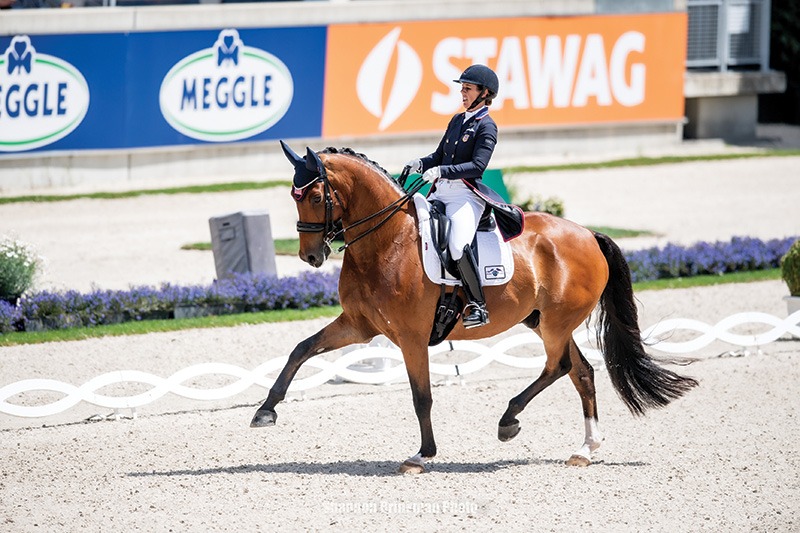
Often described as “horse ballet,” dressage emphasizes harmony, precision, and communication between horse and rider through a choreographed series of movements. Olympic freestyle competitions are performed to music and judged on both technical execution and artistic impression.
| BEST KNOWN FOR | Precision and elegance |
| JUDGING | Subjective scoring |
| SPECTATOR EXPERIENCE | Artistic and technical |
It’s very similar to something like figure skating or ice dancing.”— Carly Weilminster
EVENTING
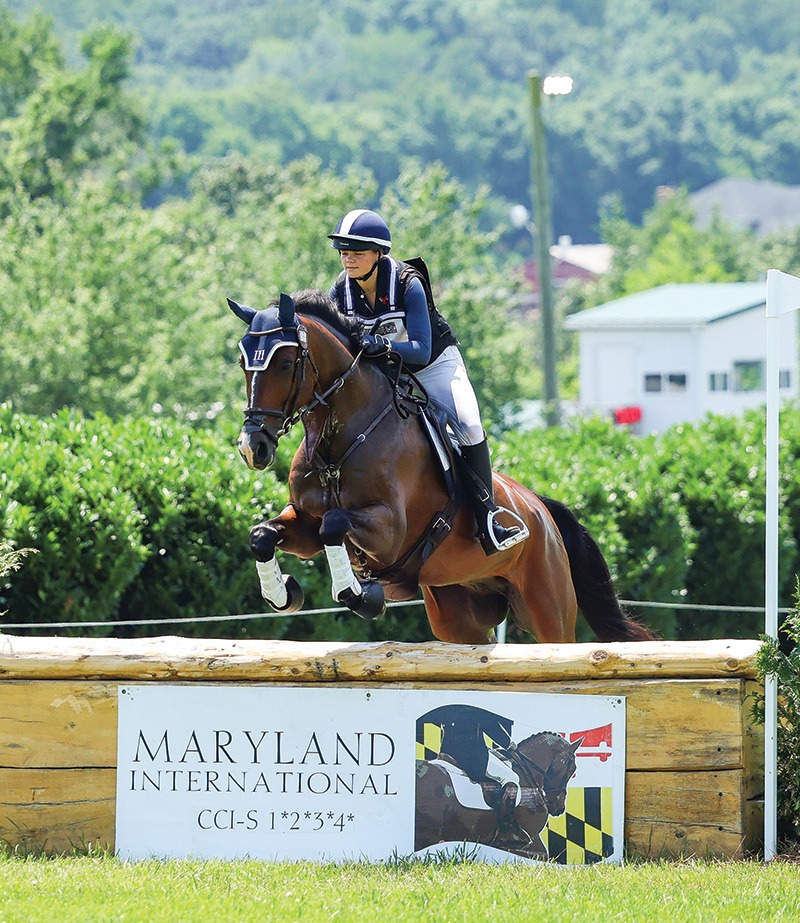
Known as the triathlon of equestrian sport, eventing combines dressage, cross-country, and jumping into one multi-day competition. Originally rooted in military training exercises, it tests endurance, versatility, and trust between horse and rider across multiple disciplines.
| BEST KNOWN FOR | Versatility and endurance |
| JUDGING | Lowest combined penalties |
| SPECTATOR EXPERIENCE | Festival atmosphere over multiple days |
Eventing is kind of like the triathlon of the equestrian world.”— Carly Weilminster