With the 2026 FIFA World Cup set to take place across the U.S., Mexico, and Canada, the world’s biggest sporting event is no longer something happening an ocean away. It’s arriving on home soil, bringing unprecedented attention, international visitors, and a rare chance for American communities to plug directly into the global game. While only a select group of cities will host matches, the opportunity to engage with the tournament extends far beyond stadium walls. From downtown plazas to local sports facilities, destinations of all sizes are stepping into the spotlight by creating dynamic fan zones and watch parties that capture the tournament’s energy. For sports event organizers, it’s a moment to think bigger than a broadcast—leveraging the scale of the World Cup to design immersive, community-driven experiences that feel every bit as electric as being in the stands.
But what does that look like in practice—and how does the approach shift depending on your market? From grassroots facilities building all-day, family-focused watch experiences to host destinations producing large-scale festivals designed to complement the stadium, successful activations are less about replicating the match and more about reimagining the experience around it. The following examples highlight two distinct—but equally effective—approaches to celebrating the World Cup, offering a blueprint for how communities can create meaningful, memorable gatherings for both local fans and visitors from around the world.
Creating a world cup experience without a stadium
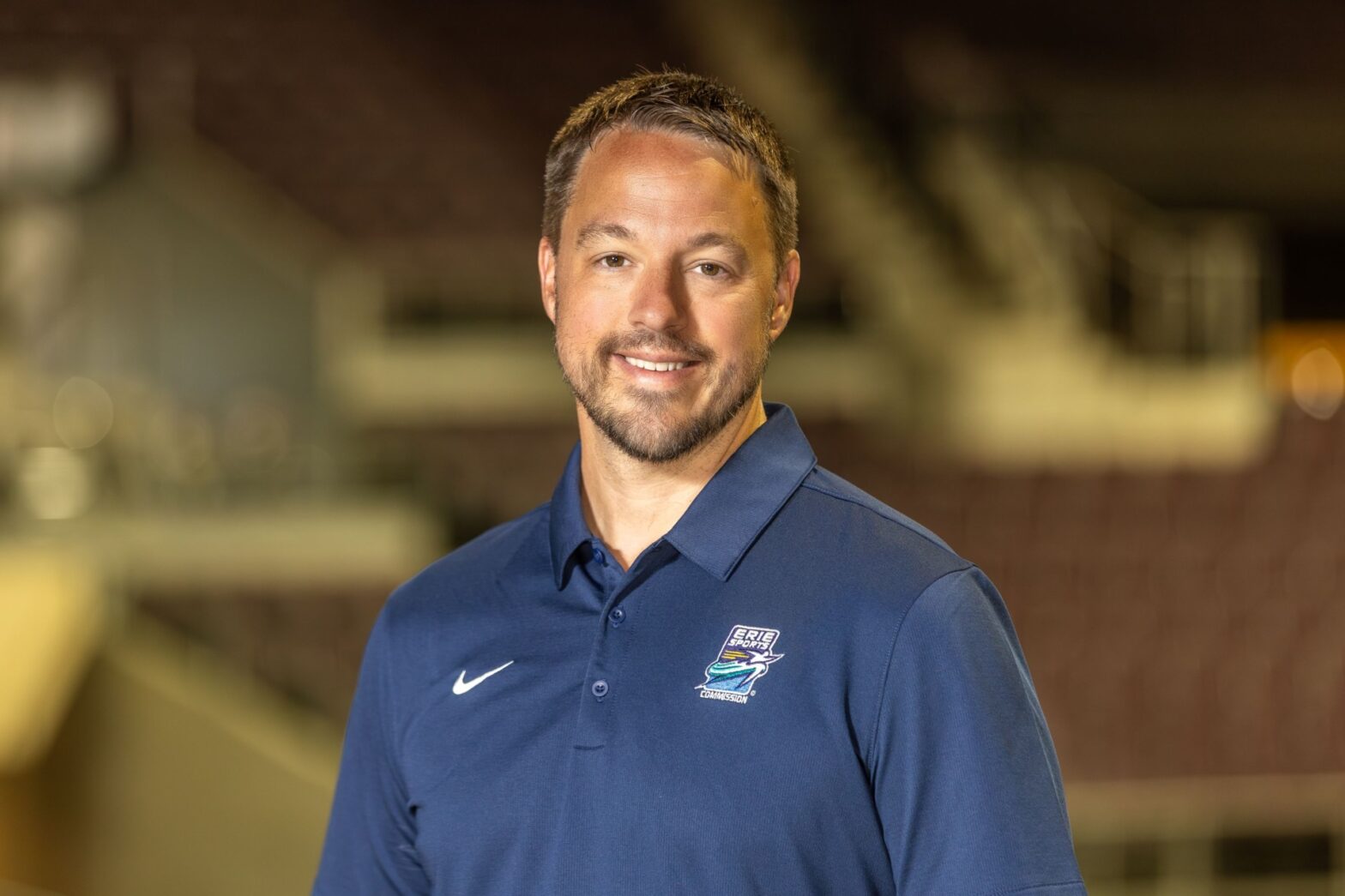
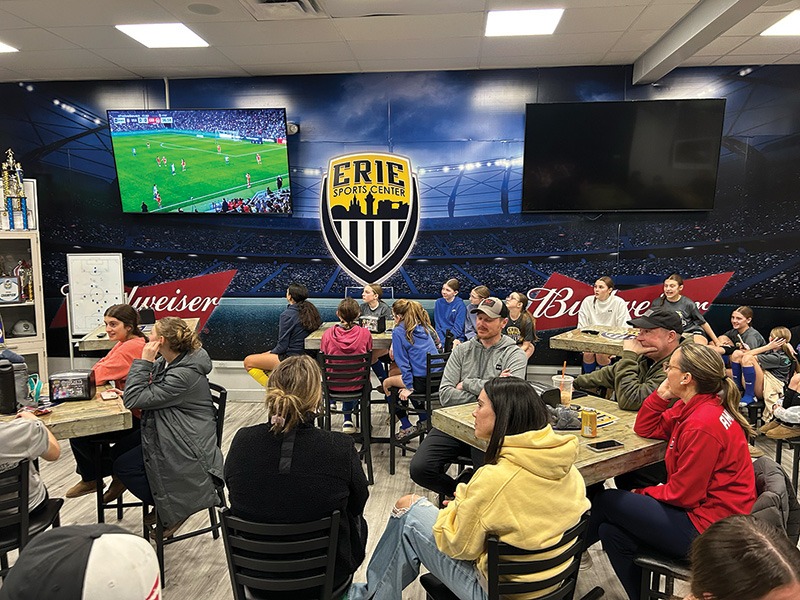
At Erie Sports Center, the approach to the 2026 FIFA World Cup starts with a simple but often overlooked premise: the match itself isn’t the event—it’s the anchor.
With a built-in audience that includes a 400-player youth soccer club, a full-time academy, and a steady calendar of tournaments, the facility is leaning into what it already does well—community, competition, and connection—and scaling it for the global stage. Its 120-seat clubhouse, complete with TVs, restaurant, and bar, will serve as the hub for a series of fan nights and watch parties, particularly around U.S. matches.
“The first thing is you have to make an event out of it—the game isn’t enough,” says Troy Bingham, owner of Erie Sports Center. “We’ll start our activities two to three hours before kickoff, and they’ll be very interactive—clinics, games, things for kids and families to do.”
That early arrival window is intentional. Before the broadcast even begins, the facility transforms into a festival-style environment, with mini soccer games, skills sessions, and open play designed to keep younger attendees engaged. “You need to cater largely to the kids because they bring the parents,” he says. “The kids want to be active—they want something to do.”
From there, the experience will shift into the match itself, but the interactivity doesn’t stop. Giveaways and contests—things like best dressed, score predictions, and themed competitions—are layered throughout the viewing window to keep fans invested beyond the screen. “You have to give them a reason to go out of their way to dress up, to be engaged in the game,” Bingham adds.
That engagement is supported in part through strategic partnerships. By working with food and beverage vendors and sponsors—some of whom already have ties to the World Cup—the Erie team has secured a range of branded merchandise and prizes, from caps and jerseys to soccer balls and even collectible items. “If you can find sponsors already linked to the World Cup, that’s ideal—they’ll have access to that kind of merchandise,” he says. “If not, you lean on your existing partners or invest in items yourself.”
Food and drink also play a key role in the overall environment, with special offers designed to keep fans on-site and participating throughout the event. Importantly, the experience remains free to attend—a deliberate choice aimed at maximizing accessibility and turnout. “We don’t charge people to take part,” Bingham says. “We want people here, enjoying themselves, creating a great atmosphere.”
While U.S. matches will anchor the biggest activations, the facility will remain open for other games as well, offering scaled-down watch opportunities with ongoing promotions and giveaways.
At its core, the strategy is less about competing with host-city spectacles and more about embracing the role local facilities can play in the broader World Cup ecosystem. “If you have a facility and you have youth that play there—especially soccer—I think it’s almost our duty to give people the opportunity to be part of the culture and atmosphere of the World Cup,” Bingham says.
Because in the end, what’s being created isn’t just a watch party—it’s a memory. “Kids will remember watching a big moment—maybe the U.S. advancing, a tight game, everyone going crazy,” he says. “They’ll remember being there with their friends and family. That’s what lasts.”
Host city spotlight: Bringing the World Cup to the streets
In Kansas City, Missouri, being an official host of the 2026 FIFA World Cup comes with global attention—but it also comes with a practical reality: not everyone will make it inside the stadium. And that’s exactly where the city’s FIFA Fan Festival strategy comes into focus.
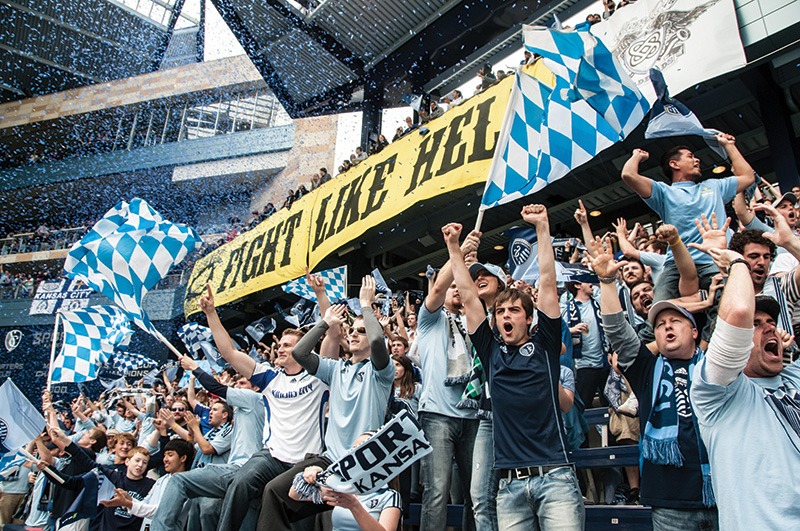
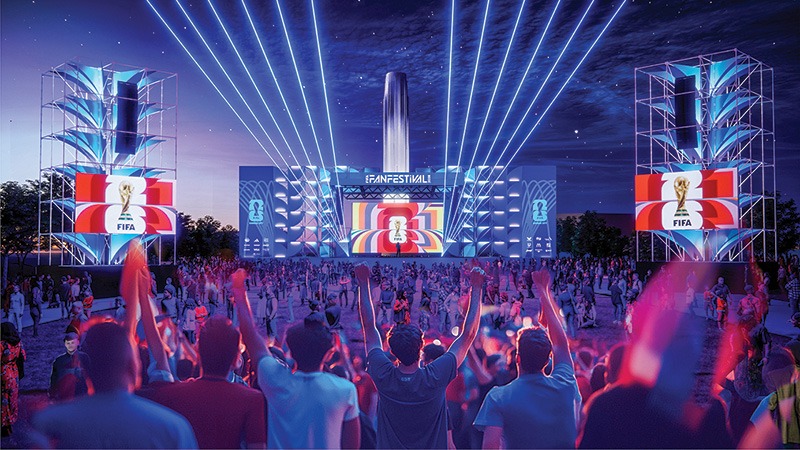
Arrowhead Stadium only has approximately 70,000 seats, so from June 11 through Kansas City’s final match on July 11, organizers are planning 18 days of programming, transforming the grounds of the National WWI Museum and Memorial into a large-scale, free-to-attend fan festival designed to accommodate up to 25,000 people at a time—and potentially cycle that number multiple times throughout the day, explains Bobby Sloan of Populous, the firm designing FIFA Fan Festival.
Like any major event of this scale, the strategy started years in advance—with site selection. “Step one was finding the right site that could accommodate the number of people we want, but also celebrate Kansas City,” Sloan says. The WWI Memorial offered both: a centrally located, historically significant gathering space with built-in infrastructure for large-scale activations and a track record of hosting major civic events.
From there, the focus shifted to building an experience that extends well beyond match viewing. “We’re looking at the diehard fans who will come out,” Sloan explains, “but also the casual fan—or even someone who’s not a soccer fan at all—who wants to come down, feel the international flavor and have a fun time.”
That philosophy plays out in both the physical design and the programming. The site is anchored by a 65-foot “KC Heart” sculpture, creating an immediate “wow” moment upon entry and a natural gathering point. From there, the layout guides fans to a main stage along the memorial’s central axis, providing a dramatic backdrop for match broadcasts and entertainment. A secondary zone invites exploration, with soccer activations, kids’ programming, and food and beverage experiences at its core.
“We really start to study dwell time,” Sloan says. “You may come for a U.S. match and spend two hours and 15 minutes watching, but we want you to spend another 90 to 120 minutes exploring, whether that’s with friends after work or coming back with family on the weekend.”
To make that happen, organizers are layering in programming that evolves day to day. While certain elements remain consistent—watch parties, activations, concessions—others rotate, from live entertainment and cultural programming to more unexpected additions like silent discos or even hot yoga sessions. “There will be core staples every day,” he says, “but every day will look and feel a little different.”
Equally intentional is the decision to keep the event free, removing barriers to entry and reinforcing its role as a true community gathering place. Combined with strategic scheduling around key moments—U.S. matches, Kansas City-hosted games, weekends, and holidays—the goal is to create a steady rhythm of activity that draws repeat visitation throughout the tournament.
“This is really where most of the community is going to engage with the FIFA World Cup,” Sloan says. “For a lot of people, this is a once-in-a-lifetime opportunity—so being able to come down, be part of that atmosphere and celebrate together, that’s what it’s all about.”
Cross-Border Activation: Extending the World Cup Across the Metro
Just across the state line, Kansas City, Kansas is leaning into the global spotlight with its “Kick It in KCK” campaign, an effort designed to ensure the 2026 FIFA World Cup experience extends well beyond primary host venues and into the broader regional community.
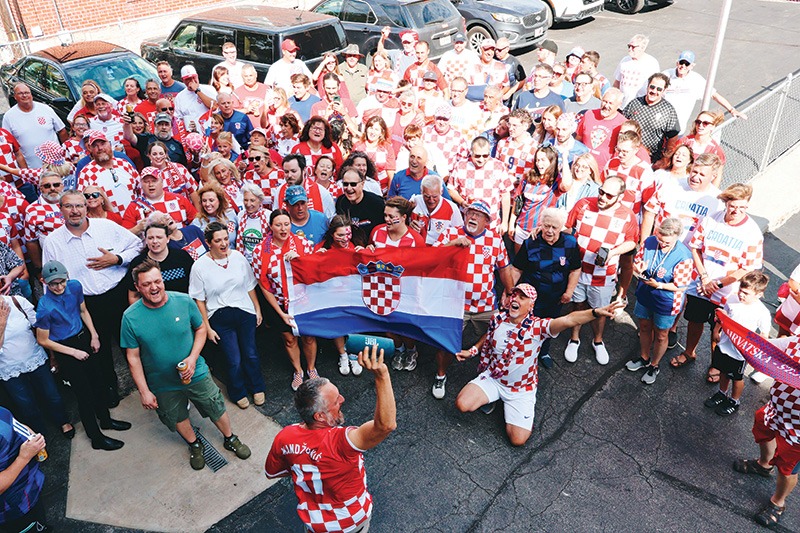
Rather than centering on a single large-scale footprint, the approach here is more distributed, activating local venues and cultural touchpoints across the city. Watch parties and fan gatherings are planned at locations like Memorial Hall, while St. John’s Parish—long known for its high-energy matchday atmosphere—will host dedicated watch events for Croatia matches, reflecting the area’s deep-rooted Croatian heritage. It’s a model that blends global fandom with hyperlocal identity, giving visiting fans and residents alike a reason to explore the destination’s different corners.
At the same time, the city is tapping into the operational side of the tournament. Children’s Mercy Park will serve as an official training site, with defending champions Argentina based there during the competition, and will host at least one public training session offering fans rare, up-close access to the world’s top players. To help connect visitors to these opportunities—and everything in between—Visit KCK will also operate a temporary welcome center at Nebraska Furniture Mart, serving as a hub for information and trip planning.
Beyond the matches, the strategy leans heavily into a sense of place. From the KCK Taco Trail and BBQ Trail to immersive attractions like Atlas9 and historic sites such as Quindaro Townsite, the goal is to give visitors a layered experience that extends well past the pitch. “We are excited to welcome visitors from around the world to Kansas City, Kansas,” says Alan Carr, executive director of Visit Kansas City, Kansas. “KCK offers an experience that is both global and deeply local. Visitors can celebrate the world’s game while discovering our culture, cuisine, and sense of community.”
For cities and organizers looking to capture even a fraction of the energy of the World Cup—whether you’re a host city like Kansas City or just a fan of the game like Erie—these approaches offer a clear blueprint. While the scale may vary, the fundamentals—intentional planning, community-driven programming, and a focus on experience over simply the broadcast—translate across markets of all sizes. With the right plan, you, too, can build a world-class fan experience